
Selezionare quella giusta batteria al litio 3V non dovrebbe essere un gioco di indovinelli. Mentre una pila a bottone CR2032 e una batteria cilindrica CR123A condividono la stessa tensione nominale, i loro profili di prestazione non potrebbero essere più diversi. La forma che scegli determina tutto, dal capacità mAh a come il tuo dispositivo gestisce picchi di alta richiesta pulsazioni.
In questa guida definitiva, spiegherò le sfumature tecniche della chimica Li-MnO2 per mostrarti esattamente come le pile a bottone e le celle cilindriche si confrontano nel mondo reale. Che tu stia progettando un sensore a profilo basso o sostituendo una batteria in una torcia tattica, questa comparazione ti garantirà di ottenere la durata di conservazione e la densità di potenza di cui i tuoi dispositivi elettronici hanno bisogno.
Andiamo subito al sodo.
Comprendere le nozioni di base delle batterie al litio da 3V
L'affidabilità è la preoccupazione numero uno che sento dai clienti alla ricerca di soluzioni di alimentazione. Quando gestisci una flotta di dispositivi o sviluppi un nuovo prodotto, devi sapere che la fonte di alimentazione non si esaurirà. Mi concentro su Chimica del Litio Manganese Dioxide (Li-MnO2) perché è lo standard del settore per alimentazioni da 3V ad alte prestazioni e durature.
Vantaggi della chimica Li-MnO2
Scelgo Li-MnO2 per la mia gamma da 3V perché offre un livello di stabilità che altre chimiche non possono eguagliare.
- Tensione Costante: Fornisce una scarica stabile di 3V, garantendo che i dispositivi non tremino o si spengano con l'invecchiamento della batteria.
- Resilienza Termica: Queste celle funzionano in modo efficiente sia in ambienti estremamente freddi che caldi.
- Sicurezza: La chimica è intrinsecamente stabile, il che è fondamentale per i design resistenti alle perdite che fornisco.
Decifrare il Nome della Batteria CR
Comprendere la convenzione di denominazione è più semplice di quanto sembri. Il prefisso “CR” è la designazione IEC per questa chimica specifica:
- C: Indica la chimica del Litio Manganese Dioxide.
- R: Indica una forma rotonda (che copre sia i tipi a moneta che cilindrici).
- I Numeri: Nelle celle a moneta, indicano la dimensione fisica (diametro e altezza).
Stabilità della Batteria al Litio Primaria
Queste sono batterie primarie, il che significa che sono non ricaricabili. Sostengo le celle al litio primarie per applicazioni critiche perché offrono una densità energetica e affidabilità molto superiori rispetto alle alternative ricaricabili.
Uno dei vantaggi più significativi che offro è un vita utile di 10 anni. Grazie all'incredibilmente basso tasso di autoscarica delle mie celle Li-MnO2, mantengono la loro energia per un decennio se conservate correttamente. Questo le rende la soluzione perfetta “imposta e dimentica” per tutto, dai backup CMOS dei computer ai sensori di sicurezza di emergenza. Puoi fare scorte all'ingrosso sapendo che ogni unità sarà pronta a funzionare quando sarà finalmente chiamata all'azione.
Pile a bottone da 3V: lo standard del settore per la tecnologia compatta
Le pile a bottone da 3V, spesso chiamate pile a bottone da 3V, sono la spina dorsale dell'elettronica moderna di piccole dimensioni. Ci concentriamo sulla chimica Litio Diossido di Manganese (Li-MnO2) perché fornisce una tensione stabile e un'alta densità energetica in un profilo molto sottile. Queste sono batterie primarie al litio progettate per longevità e precisione.
Dimensioni popolari delle pile a bottone da 3V
La convenzione di denominazione è semplice: le prime due cifre sono il diametro in millimetri, e le ultime due sono l'altezza in decimi di millimetro.
- CR2032: La più comune pila a bottone al litio, che misura 20mm x 3,2mm. Offre il miglior equilibrio tra capacità e dimensioni.
- CR2026: Con uno spessore di 2,5 mm, è la scelta ideale per dispositivi più eleganti dove una CR2032 non entrerebbe.
- CR2016: L'opzione ultrasottile da 1,6 mm, utilizzata frequentemente in gadget sottili o impilata per raggiungere tensioni più elevate.
CR2026 vs CR2032: Capire la Differenza
La principale distinzione è lo spessore e capacità della batteria mAh. Una CR2032 contiene tipicamente circa 220-240 mAh, mentre una CR2026 contiene circa 160-170 mAh. Poiché condividono lo stesso diametro di 20 mm, alcuni vani batteria potrebbero fisicamente adattarsi a entrambe, ma è necessario attenersi sempre allo spessore specificato per garantire un contatto terminale e un'autonomia adeguati.
Applicazioni Chiave delle Pile a Bottone
Nella nostra esperienza, queste celle eccellono in dispositivi “imposta e dimentica”. Sono ottimizzate per prestazioni a basso consumo dove il dispositivo rimane inattivo per lunghi periodi.
- Schede Madri dei Computer: Mantenimento delle impostazioni CMOS e dell'orologio di sistema.
- Dispositivi medici: Alimentazione di termometri digitali e misuratori di glucosio.
- Sicurezza e IoT: Piccoli sensori per finestre e illuminazione portatile soluzioni come LED portachiavi.
- Beni di Consumo: Bilance digitali, orologi e telecomandi per auto.
| Tipo di batteria | Diametro | Spessore | Capacità nominale |
|---|---|---|---|
| CR2032 | 20mm | 3,2mm | ~235mAh |
| CR2026 | 20mm | 2,5mm | ~170mAh |
| CR2016 | 20mm | 1,6mm | ~90mAh |
Per aziende che desiderano integrare questi prodotti, la scelta della batteria in base all'uso categoria è fondamentale. Forniamo queste celle all'ingrosso per garantire affidabilità ad alte prestazioni su grandi implementazioni, mantenendo un design resistente alle perdite che protegge il tuo hardware.
Alimentazione con batteria cilindrica da 3V
Prestazioni ad alto assorbimento e caratteristiche CR123A
Quando il tuo equipaggiamento ha bisogno di una spinta seria, le celle cilindriche come la batteria CR123A e CR2 sono lo standard del settore. A differenza delle celle a moneta, sono progettate specificamente per compiti ad alto assorbimento e scariche di impulso. Mi affido a queste per apparecchiature che richiedono esplosioni rapide di energia, come torce tattiche o flash di fotocamere digitali di alta gamma.
A batteria cilindrica al litio offre diversi vantaggi unici:
- Discarica di impulsi superiore: Ideale per sensori di case intelligenti e sistemi di allarme che rimangono inattivi ma necessitano di alta potenza immediata quando attivati.
- Resilienza estrema alle temperature: Queste batterie funzionano eccezionalmente bene nel freddo, rendendole la scelta preferita per telecamere di sicurezza esterne in Italia.
- Alta Densità Energetica: Immagazzinano una quantità enorme di energia in un volume ridotto rispetto alle opzioni alcaline tradizionali.
Sebbene siano celle primarie (non ricaricabili), la loro forma spesso porta a confusione con altri tipi di litio. Comprendere come identificare una batteria 18650 è un ottimo modo per assicurarsi di non confondere le celle ricaricabili con queste unità primarie ad alte prestazioni da 3V.
Scegliendo una batteria da 3V ad alto assorbimento come la CR123A garantisce che la tua tecnologia critica—dai distanziometri ai rilevatori di fumo di livello professionale—rimanga alimentata con una curva di tensione stabile che non si abbassa prematuramente.
Batterie da 3V: La guida definitiva al confronto tra celle a moneta e cilindri
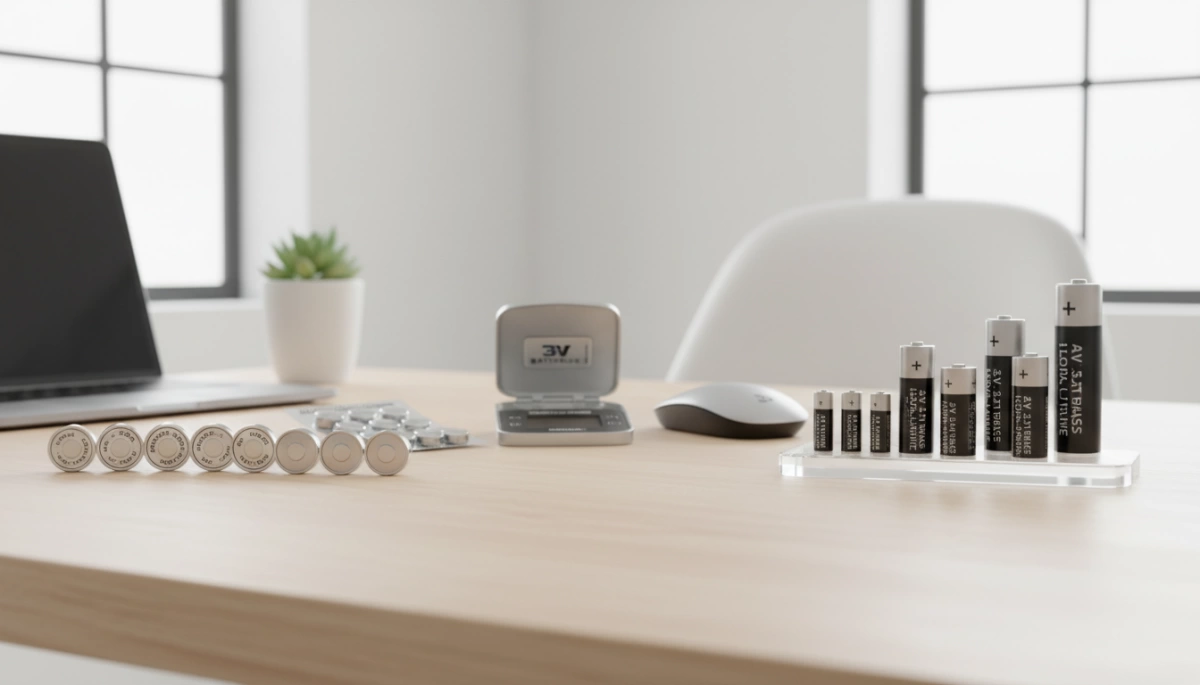
Quando confrontiamo questi due formati, la scelta si riduce al rapporto potenza/dimensioni. Mentre entrambi utilizzano chimica Li-MnO2 per fornire un'uscita stabile di 3V, la loro architettura fisica determina come si comportano sotto carico. Un pila a bottone al litio è progettato per la stabilità a lungo termine a basso assorbimento, mentre un batteria cilindrica al litio è costruito per esplosioni di energia elevate e maggiore capacità della batteria mAh.
Compromessi di prestazione: dimensioni vs. potenza
- Capacità e durata: Celle cilindriche come la batteria CR123A spesso forniscono quattro o cinque volte l'energia totale di una batteria CR2032, rendendole migliori per dispositivi ad uso intensivo.
- Consegna di Corrente: La struttura interna di un batteria da 3V ad alto assorbimento (cilindro) permette di gestire grandi impulsi senza una significativa caduta di tensione.
- Vincoli Fisici: Non puoi sostituire una cella a bottone con un cilindro. Anche se la tensione corrisponde, le dimensioni fisiche e gli stili di montaggio sono completamente diversi.
- Confronto delle Curve di Scarica: Entrambe offrono una curva di scarica molto piatta, ma le celle a bottone sono ottimizzate per prelievi di micro-ampere nel corso degli anni, mentre i cilindri sono ottimizzati per prelievi di milli-ampere nel corso di mesi.
| Caratteristica | Celle a Bottone da 3V (ad esempio, CR2450) | Cilindri da 3V (ad esempio, CR2) |
|---|---|---|
| Capacità tipica | 225mAh – 620mAh | 850mAh – 1550mAh |
| Formato | Piattto, a disco | Piccolo, a forma di tubo |
| Vantaggio Principale | Risparmio di spazio / Leggero | Elevata capacità di impulsi |
| Ideale per | CMOS, telecomandi e sensori | Ottiche, telecamere e allarmi |
Garantiamo che la nostra gamma di 3V soddisfi i requisiti specifici di scarica della tua tecnologia. La selezione del tipo errato di solito provoca il guasto del dispositivo, non a causa della tensione, ma perché una cella a bottone non può fornire la "potenza" che una cella cilindrica offre durante attività ad alto assorbimento come la trasmissione wireless o il funzionamento del motore. Mantenere la corretta batteria primaria al litio è essenziale per l'affidabilità a lungo termine sul campo.
Scegliere la batteria da 3V giusta per la tua tecnologia
La scelta tra una batteria a bottone piatta e una cella cilindrica dipende interamente dalle esigenze energetiche e dallo spazio fisico del tuo dispositivo. Per l'elettronica che richiede un profilo sottile e una bassa potenza costante, celle a bottone da 3V come la batteria CR2032 sono la scelta standard. Queste sono essenziali per mantenere la memoria sulle schede madri dei computer (backup CMOS) e per far funzionare telecomandi per auto o orologi per anni.
Se la tua tecnologia coinvolge componenti ad alto assorbimento o trasmissioni wireless frequenti, hai bisogno della maggiore capacità che si trova nelle batterie cilindriche al litio. I moderni sistemi di domotica e i sistemi di sicurezza si affidano alla batteria CR123A per gestire i carichi a impulsi elevati richiesti per sensori e telecamere.
Guida all'applicazione delle batterie da 3V
- Dispositivi sottili e a basso assorbimento: Usa batteria a bottone da 3V modelli (CR2032, CR2026, CR2016) per sensori medicali, calcolatrici e ultrasottili elettronica digitale.
- Sicurezza e Smart Home: Il CR123A è il punto di riferimento per serrature intelligenti, sensori di movimento PIR e torce a LED ad alta intensità.
- Ottiche Specializzate: Il CR2 la cella cilindrica è progettata per dispositivi compatti ad alta potenza come telemetri laser e attrezzature fotografiche.
- Internet delle cose industriale: Pile a moneta al litio forniscono la tensione stabile e a lungo termine necessaria per sensori di ponte e tag di tracciamento remoto.
Quando si sceglie l’alimentazione per il proprio hardware, è sempre importante abbinare il tasso di scarica del dispositivo alla capacità di scarica della batteria. Mentre una pila a moneta risparmia spazio, un batteria da 3V ad alto assorbimento in formato cilindrico garantisce che la tua attrezzatura ad alte prestazioni non fallisca durante i picchi di attività. La scelta del formato giusto garantisce di ottenere il massimo capacità della batteria mAh e la piena durata di conservazione di 10 anni promessa dalla chimica Li-MnO2.
Batterie da 3V: Fattori di Prestazione per Pile a Moneta vs Cilindri
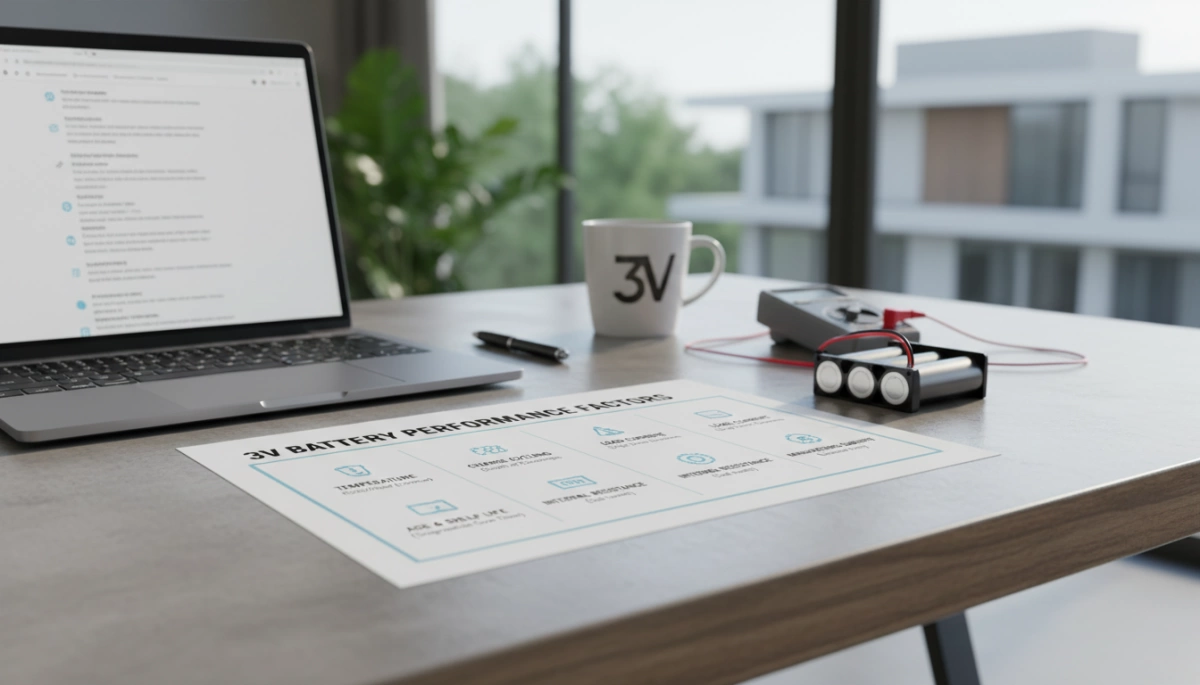
Quando si cerca energia per elettronica professionale, le prestazioni non riguardano solo la carica iniziale—si tratta di come quell’energia viene gestita nel corso degli anni di servizio. Dalla mia esperienza nel fornire soluzioni all’ingrosso, i seguenti fattori determinano se una cella è veramente di livello industriale.
Durata di conservazione della batteria e autoscarica
Il chimica Li-MnO2 che utilizziamo nella nostra gamma da 3V offre un’incredibile stabilità. Uno dei maggiori vantaggi è il vita utile di 10 anni. Poiché queste batterie primarie al litio hanno un tasso di autoscarica molto basso, rimangono pronte all’uso anche dopo anni in magazzino o in un kit di emergenza. Questa è una specifica critica per applicazioni con pile a moneta come backup CMOS e sensori di sicurezza che devono rimanere funzionanti senza manutenzione frequente.
Resilienza in condizioni climatiche estreme
Che tu stia usando un batteria CR123A in una telecamera di sicurezza esterna o in un batteria CR2032 in apparecchiature mediche, la resistenza alla temperatura è imprescindibile. La nostra gamma al litio da 3V è progettata per mantenere una curva di scarica stabile sia in condizioni di gelo che in ambienti ad alta temperatura, dove le celle alcaline standard in genere falliscono.
Prevenzione delle perdite e resistenza interna
Per garantire la sicurezza dei tuoi dispositivi, ci concentriamo su una costruzione superiore e una resistenza interna ottimizzata:
- Protezione dalle perdite: Guarnizioni di alta qualità prevengono danni corrosivi all'elettronica costosa, un must per l'alta densità batteria a bottone da 3V installazioni.
- Resistenza interna: Una minore resistenza assicura che un batteria da 3V ad alto assorbimento possa fornire l'impulso necessario per i dispositivi domestici intelligenti e i sensori IoT senza un significativo calo di tensione.
- Classificazione industriale: Le nostre celle sono progettate per prestazioni costanti, riducendo al minimo il rischio di guasti prematuri dei dispositivi sul campo.
Concentrandoci su questi parametri tecnici, garantiamo che i nostri pila a bottone al litio e i prodotti cilindrici soddisfino le rigorose esigenze del mercato B2B italiano.
Manipolazione e smaltimento delle batterie da 3V
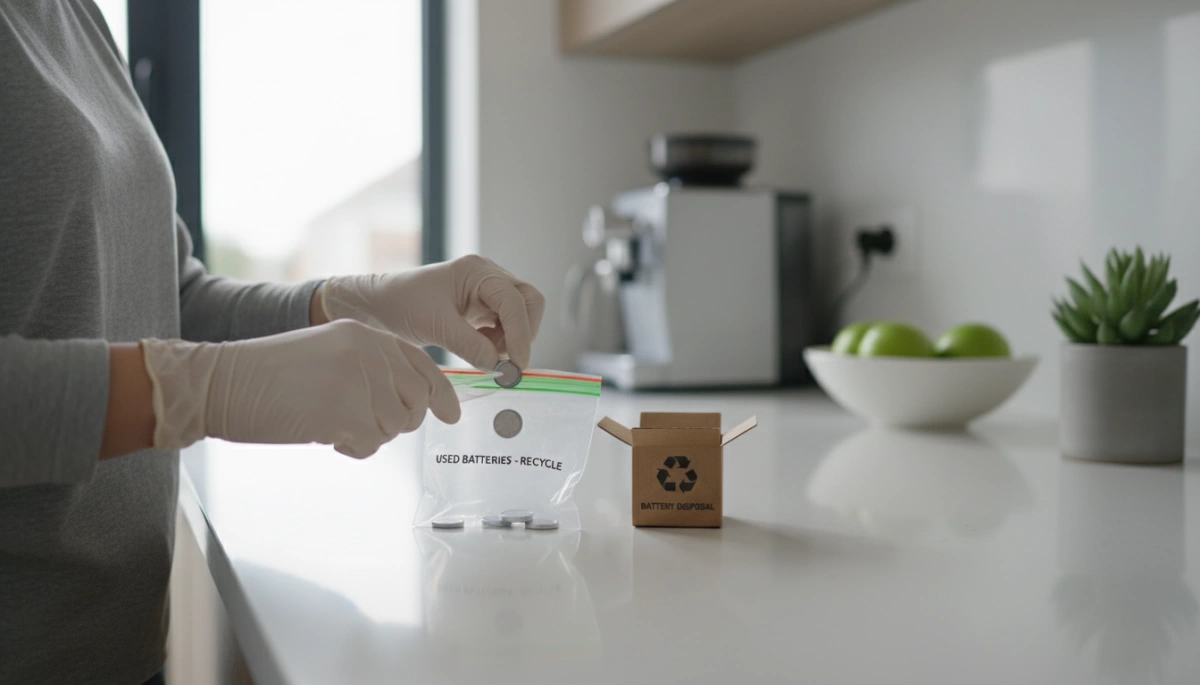
La sicurezza è una priorità assoluta quando si gestisce qualsiasi batteria primaria al litio. Poiché le batterie da 3V sono componenti ad alta densità energetica, richiedono una manipolazione specifica per garantire che rimangano stabili per tutta la loro durata di conservazione di 10 anni.
Sicurezza dei bambini e rischi di ingestione
La dimensione compatta di una pila a bottone al litio come la CR2032 la rende un rischio significativo di soffocamento e ingestione. Sosteniamo protocolli di sicurezza rigorosi:
- Rivestimenti Amari: Molte delle nostre celle sono disponibili con uno strato amaro non tossico progettato per scoraggiare i bambini dall'inghiottirle.
- Conservazione Sicura: Mantieni sempre le quantità all'ingrosso nel loro imballaggio originale, resistente ai bambini.
- Urgenza Medica: Se una cella viene ingerita, cerca immediatamente assistenza medica di emergenza, poiché la corrente di 3V può causare danni gravi ai tessuti interni rapidamente.
Conservazione a Lungo Termine
Per mantenere la stabilità della chimica Li-MnO2, conserva il tuo inventario in un ambiente fresco e asciutto. Evita aree con alta umidità o fluttuazioni di temperatura, che possono stressare le guarnizioni della batteria. Quando gestisci scorte per applicazioni ad alta domanda come illuminazione portatile, assicurati che le scorte più vecchie siano utilizzate prima per massimizzare il beneficio della nostra durata di conservazione di 10 anni.
Pratiche di Riciclaggio Responsabile
Le batterie al litio non devono mai essere gettate nel normale bidone della spazzatura o nel bidone di riciclaggio. Uno smaltimento improprio può portare a “thermal runaway” o incendi nei camion di gestione dei rifiuti.
- Sigillatura dei Terminali: Prima di riciclare, posiziona un piccolo pezzo di nastro trasparente sui terminali per prevenire cortocircuiti.
- Punti di Consegna: Utilizza centri di riciclaggio di litio certificati o programmi locali di gestione dei rifiuti pericolosi.
- Prevenzione delle Perdite: Mentre le nostre celle di livello industriale sono progettate per essere resistenti alle perdite, ispeziona sempre i vecchi dispositivi per segni di corrosione prima di rimuovere le batterie esauste.
Scegliere la Batteria 3V Perfetta: La Guida Definitiva alle Pile a Moneta vs Cilindri
Selezionare la fonte di alimentazione giusta riguarda più che trovare una batteria che si adatti allo slot. Devi bilanciare lo spazio fisico del tuo dispositivo con il suo reale fabbisogno energetico. Ecco come ti consiglio di restringere la scelta per garantire affidabilità a lungo termine.
Valuta le tue esigenze di alimentazione
- Identifica il Tasso di Scarica: Se alimenti un semplice telecomando per auto o un termometro medico, un pila a bottone al litio come la batteria CR2032 è la scelta ideale per prestazioni stabili a basso consumo. Tuttavia, per apparecchiature che necessitano di un'improvvisa scarica di energia—come una serratura intelligente o una telecamera di sicurezza—hai bisogno delle batteria da 3V ad alto assorbimento capacità di un batteria CR123A.
- Vincoli di spazio vs. Capacità: Controlla sempre le capacità della batteria mAh valutazioni. Mentre un batteria a bottone da 3V è ottimo per profili sottili, un batteria cilindrica al litio offre un'autonomia significativamente maggiore per dispositivi IoT ad alto consumo energetico.
- Abbina Tensione e Chimica: Assicurati che il tuo hardware sia progettato per chimica Li-MnO2. La nostra gamma di litio da 3V è costruita per la stabilità, offrendo una durata di conservazione di 10 anni che le opzioni alcaline generiche semplicemente non possono eguagliare.
Fidati di Standard Industriali Affidabili
Quando acquisti batterie per applicazioni critiche, la coerenza del marchio è importante. Ci concentriamo sulla fornitura di celle ad alte prestazioni che resistono alle perdite e mantengono una curva di scarica piatta. Scegliere una fonte professionale da 3V previene il “calo di tensione” che spesso causa malfunzionamenti prematuri dell'elettronica. Verifica sempre che la tua scelta corrisponda sia alle dimensioni fisiche tabella delle dimensioni delle batterie che alle esigenze specifiche di corrente pulsata della tua tecnologia.





 Italian
  English
  German
  Spanish
  French
  Polish
  Russian
  Thai
Thai  Turkish
  Japanese
  Korean