
Dimensioni e Specifiche Fisiche della Batteria Gruppo 24
Quando si cerca di sostituire una vecchia cella di alimentazione, la prima domanda è sempre: “Si adatta al mio vassoio della batteria?” La dimensione del Gruppo 24 BCI è uno degli standard più comuni utilizzati in Italia per applicazioni marine, RV e solari. Troviamo che attenersi a queste misure precise garantisce una sostituzione “plug-and-play” senza bisogno di modificare l'hardware di montaggio.
Specifiche del Gruppo 24 BCI
- Lunghezza: 26,04 centimetri (260 mm)
- Larghezza: 17,31 centimetri (173 mm)
- Altezza: 22,58 centimetri (225 mm)
Tipi e Configurazioni dei Terminali
Lo standard del Gruppo 24 non riguarda solo la dimensione della scatola; la disposizione dei terminali è importante per la portata dei cavi.
- Poste Superiori: La configurazione più comune per esigenze automobilistiche standard e di ciclo profondo.
- Terminali Doppio: Spesso presenti nelle batterie marine, offrono sia terminali filettati per l'elettronica sia terminali rotondi tradizionali per l'avviamento del motore.
- 24F contro 24R: Presta attenzione alle designazioni “F” o “R”, che indicano polarità invertita. Si consiglia di verificare attentamente l'orientamento dei cavi prima di scegliere un modello specifico per evitare cortocircuiti.
Capacità e Metriche di Prestazione
Esiste una differenza enorme nella densità di energia confrontando la tecnologia tradizionale con gli aggiornamenti moderni al litio. Mentre una batteria al piombo-acido del Gruppo 24 offre tipicamente 70-85 Ah, i nostri sostituti LiFePO4 Gruppo 24 spesso offrono una capacità completa 100 Ah della stessa impronta.
| Metri | Acido Piombo Gruppo 24 | Litio LiFePO4 Gruppo 24 |
|---|---|---|
| Capacità tipica | 70-85 Ah | 100 Ah |
| Capacità utilizzabile | ~50% (35-42 Ah) | 100% (100 Ah) |
| Ampere di Avviamento a Freddo (CCA) | 500-800 | Elevata Scarica di Picco |
| Capacità di Riserva (RC) | ~100-140 minuti | Uscita di Tensione Costante |
Valutazioni Chiave delle Prestazioni
- Ampere di Avviamento a Freddo (CCA): Fondamentale per avviare motori in condizioni di freddo.
- Ampere di Avviamento Marittimo (MCA): Simile a CCA ma misurato a 32°F, specifico per le esigenze nautiche.
- Capacità di Riserva: Questo misura quanti minuti la batteria può alimentare un carico di 25 ampere prima che la tensione scenda troppo. Con il litio, la curva di tensione stabile significa ottenere un tasso di scarica molto più affidabile rispetto al declino costante delle batterie al piombo-acido.
Tipi di batterie comuni nel gruppo 24 di dimensione
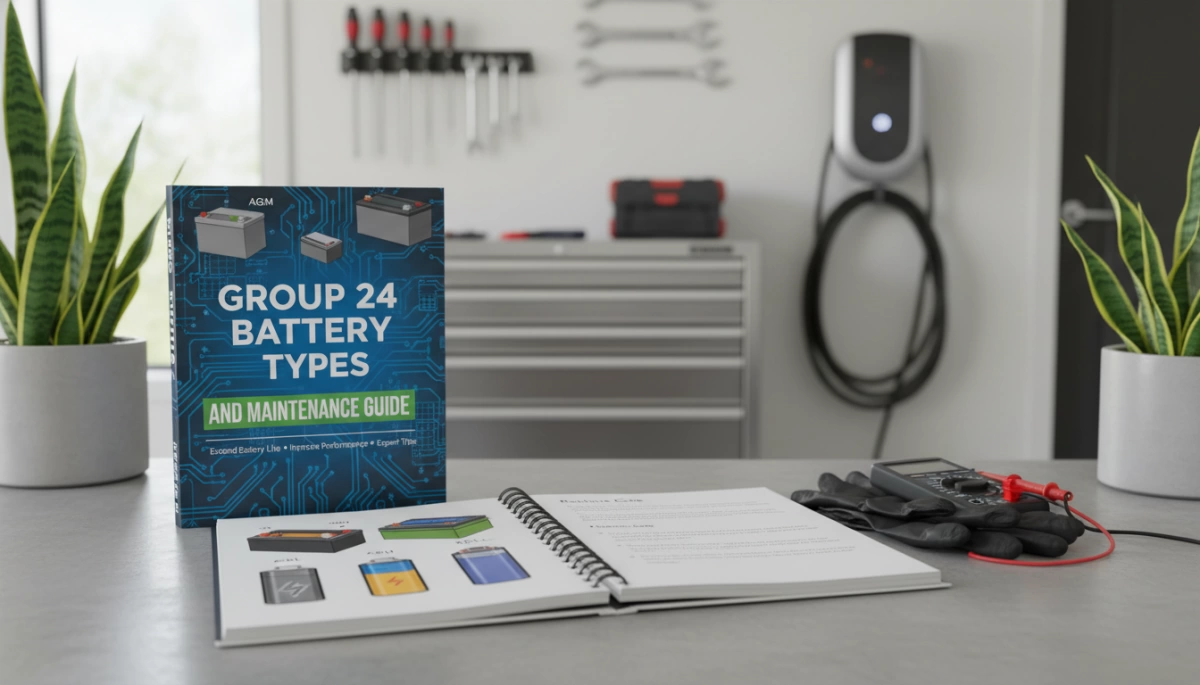
Quando cerchi una batteria di gruppo 24, incontrerai quattro principali chimiche. Ognuna ha il suo posto a seconda del tuo budget e di quanto intensamente prevedi di usare la tua attrezzatura. Mentre le dimensioni della batteria di gruppo 24 rimangono le stesse, la tecnologia interna cambia tutto.
Piombo-Acido Flottato (FLA)
Questa è la scelta tradizionale. È la più economica in fase di acquisto, ma comporta un “tassello” sul tuo tempo.
- Vantaggi: Prezzo di ingresso più economico; ampiamente disponibile.
- Svantaggi: Richiede controlli regolari del livello dell'acqua; soggetta a perdite di acido; pesante.
- Manutenzione: Devi controllare i livelli di liquido mensilmente. Trascurare questo è il motivo per cui la maggior parte fallisce precocemente, quindi capire quanto spesso sostituire la batteria dell'auto diventa fondamentale se si rimane fedele al piombo-acido.
AGM (Tessuto di Vetro Assorbente)
A batteria AGM di gruppo 24 rappresenta un grande passo avanti per la maggior parte dei diportisti e camperisti.
- Senza Manutenzione: Completamente sigillata, quindi niente fuoriuscite o produzione di gas.
- Resistente alle vibrazioni: Costruita robusta per strade accidentate o acque agitate.
- Prestazioni: Migliore nella gestione di elevate richieste di corrente rispetto alle celle sommerse standard.
Batterie al gel
Le batterie al gel utilizzano un elettrolita addensato. Sono spesso confuse con le AGM, ma sono specificamente progettate per applicazioni a scarica profonda.
- Ideale per: Scarica a bassa potenza e lunga durata.
- Sensibilità: Richiedono profili di carica specifici. Se si utilizza un caricabatterie standard, si cuoce il gel e si rovina rapidamente la batteria.
Litio LiFePO4: l'aggiornamento moderno ad alte prestazioni
Il Batteria LiFePO4 Gruppo 24 è il gold standard per chiunque prenda sul serio l'alimentazione. È l'investimento più intelligente per un risparmio a lungo termine.
- Efficienza: Si ottiene quasi il doppio dell'energia utilizzabile rispetto al piombo-acido.
- Peso: Circa la metà del peso, il che la rende una delle preferite per Batteria per motore da traina Gruppo 24 installazioni.
- Sicurezza: Utilizziamo una chimica stabile che non prende fuoco. Se sei curioso della tecnologia, imparare cos'è una batteria 32650 lifepo4 ed è sicura ti dà una buona idea del perché questa chimica è così affidabile per le nostre costruzioni del Gruppo 24.
| Tipo di batteria | Durata (cicli) | Manutenzione | Peso |
|---|---|---|---|
| Allagato | 300 – 500 | Alto | Pesante |
| AGM | 500 – 800 | Nessuno | Pesante |
| Gel | 500 – 1.000 | Nessuno | Pesante |
| Litio (LiFePO4) | 3.000 – 5.000+ | Nessuno | Ultra-leggero |
Perché aggiornare a una batteria al litio Group 24 – Approfondimenti del fornitore di batterie al litio professionali
Passare a una Batteria LiFePO4 Gruppo 24 è il modo più efficace per modernizzare il tuo sistema di alimentazione. Come produttore specializzato, ci concentriamo sulla sostituzione di blocchi di piombo-acido pesanti e inefficienti con tecnologia al litio ad alte prestazioni che offre più potenza con meno complicazioni. Un aggiornamento al litio Group 24 non è solo un miglioramento minore; è una revisione totale delle tue capacità energetiche.
Prestazioni e Efficienza Superiori
I vantaggi tecnici del passaggio al litio sono immediati e di grande impatto per qualsiasi applicazione ad alta richiesta.
- Risparmio di peso enorme: Le nostre batterie sono circa 1/3 del peso degli equivalenti al piombo-acido. Questa riduzione di peso del 70% migliora l'efficienza del carburante in RV e aumenta la velocità nelle applicazioni marine.
- Durata estrema: Costruiamo le nostre batterie per durare tra 4.000 e 6.000+ cicli profondi. Rispetto ai pochi centinaia di cicli forniti dalle batterie al piombo-acido, questo garantisce una durata affidabile di 10 anni.
- Capacità Utilizzabile 100%: Puoi utilizzare in sicurezza l'intera capacità di una batteria deep cycle leggera senza danni. Le batterie al piombo-acido sono tipicamente limitate a una profondità di scarica di 50%, il che significa che una batteria al litio offre il doppio del tempo di funzionamento nella stessa dimensione BCI.
Design Avanzato di Sicurezza e Senza Manutenzione
Le nostre unità sono progettate per un funzionamento “imposta e dimentica”. Ogni batteria presenta un sistema di gestione intelligente integrato Smart BMS batteria al litio Il sistema di controllo interno monitora lo stato di salute delle celle di Classe A, prevenendo sovraccarichi, scariche e problemi termici. Per capire perché questa intelligenza interna è così fondamentale, puoi vedere come anche celle più piccole richiedano logiche simili controllando Le batterie 18650 hanno protezione per garantire stabilità a lungo termine.
- Ricarica Rapida: La chimica del litio accetta una carica molto più velocemente rispetto alle batterie tradizionali, riducendo significativamente i tempi di inattività.
- Tensione Stabile: A differenza del piombo-acido, dove la tensione diminuisce man mano che la batteria si scarica, il litio mantiene un output costante. Questo garantisce che i motori trolling e l'elettronica funzionino alla massima potenza fino a quasi esaurimento della batteria.
- Eco-Friendly e Senza Manutenzione: Non c'è acido da versare, nessun gas tossico e assolutamente nessun bisogno di rabboccare l'acqua. È una soluzione pulita e sigillata per ambienti difficili.
Scegliendo un fornitore professionale per le tue esigenze Group 24, garantisci di ricevere una batteria ottimizzata per alta densità energetica e massimi standard di sicurezza.
Scegliere un Fornitore Professionale di Batterie al Litio per Group 24
Quando cerchi un Batteria LiFePO4 Gruppo 24, il fornitore che scegli determina la sicurezza e la durata del tuo sistema di alimentazione. Come produttore professionale, ci concentriamo su standard di alte prestazioni che vanno oltre le opzioni di base sugli scaffali al dettaglio. Prioritizziamo componenti di livello industriale per garantire che ogni unità offra un'alimentazione “senza preoccupazioni” per anni.
- Celle LiFePO4 di Classe A: Utilizziamo solo celle nuove di Classe A per garantire massima stabilità e densità energetica. Questa è la base di una batteria che dura oltre 10 anni.
- Sistema di Gestione Intelligente Integrato: Le nostre batterie sono dotate di un Smart BMS batteria al litio sistema di gestione integrato. Questo “cervello” monitora tutto—proteggendo da sovraccarico, sotto-scarica, cortocircuiti e problemi termici.
- Protezione Ambientale Robusta: Le nostre costruzioni Group 24 sono dotate di valutazioni IP65/IP67 impermeabili , rendendole ideali per il forte spruzzo di ambienti marini o la polvere di sentieri off-grid.
- Scalabilità e Flessibilità: Progettiamo queste unità per una facile scalabilità. Che tu abbia bisogno di collegarle in serie per una tensione più alta o in parallelo per una maggiore capacità, la nostra architettura interna supporta le tue esigenze di alimentazione personalizzate.
- Durabilità alle Temperature Estreme: Queste batterie sono costruite per resistere al caldo e al freddo. Per gli utenti in climi settentrionali, seguire una guida di manutenzione invernale per batterie al litio assicura che le tue celle Group 24 rimangano in salute anche quando la temperatura scende.
Acquistando direttamente da un produttore professionale, ottieni accesso a 4.000 a 6.000+ cicli profondi, offrendo un costo totale di proprietà significativamente inferiore rispetto alle alternative tradizionali al piombo-acido. Ci concentriamo sulla fornitura di soluzioni di alta qualità che rispettano gli standard globali come CE, UN38.3 e MSDS, garantendo che la tua installazione sia sicura, legale e affidabile.
Applicazioni versatili per una batteria LiFePO4 Group 24
La nostra batteria LiFePO4 Group 24 è una centrale energetica progettata per affrontare ambienti esterni e industriali impegnativi. Che tu stia andando al lago o vivendo in modalità off-grid, questa dimensione specifica offre un ingombro compatto con molta più energia utilizzabile rispetto alle opzioni tradizionali.
Marina e Nautica
Come un fornitore di primo livello batteria marine Group 24, questa unità è la scelta preferita per batteria motore trolling Group 24 applicazioni. A differenza del piombo-acido, il litio mantiene una tensione stabile fino a quasi esaurimento, il che significa che il motore non perderà spinta a metà giornata. Alimenta anche:
- Ecofinders e GPS di alta gamma.
- Illuminazione LED a bordo e pompe di sentina.
- Sistemi radio compatti e attrezzature di comunicazione.
Campeggio RV e off-grid
Per gli appassionati di RV, il batteria RV Group 24 funziona come una fonte di energia affidabile per la casa. Poiché molte vaschette per batterie sono costruite appositamente per la dimensione Group 24, un aggiornamento al litio Group 24 è un semplice sostituto plug-in che raddoppia il tempo di funzionamento. È la soluzione perfetta per:
- Alimentare scorrevoli e leve di livellamento.
- Far funzionare ventole di ventilazione e pompe dell'acqua.
- Caricare laptop e dispositivi mobili tramite inverter.
Energia Solare e Backup Industriale
Nelle configurazioni solari, le prestazioni di ciclo profondo delle nostre celle LiFePO4 consentono un livello di scarica fino a 100% senza danneggiare la chimica. Questo le rende ideali per piccoli kit solari, backup UPS di emergenza e attrezzature di mobilità industriale come sedie a rotelle o carrelli elettrici. Se stai sostituendo un vecchio dispositivo, capire come capire se la batteria è scarica è il primo passo verso l'aggiornamento a un sistema al litio senza manutenzione.
Esempi di durata reale sul campo
Un normale Batteria al litio da 12V 100Ah Gruppo 24 offre prestazioni molto diverse rispetto alle batterie al piombo-acido. Poiché puoi usare tutta la capacità, le durate per carichi tipici sono impressionanti:
| Carico Tipico | Consumo Medio di Energia | Durata Stimata (Litio da 100Ah) |
|---|---|---|
| Luci LED | 10 Watt | 120 Ore |
| Macchina CPAP | 30 Watt | 40 Ore |
| Frigorifero Portatile | 50 Watt | Più di 24 Ore |
| Motore di traino | 200 Watt (Variabile) | 4-6 Ore di uso tipico |
Le nostre batterie garantiscono che, che tu sia in un cantiere remoto o in un'escursione di pesca nel fine settimana, la tua fonte di energia rimanga costante e “senza preoccupazioni”.
Gruppo 24 vs Gruppo 27 e Gruppo 31
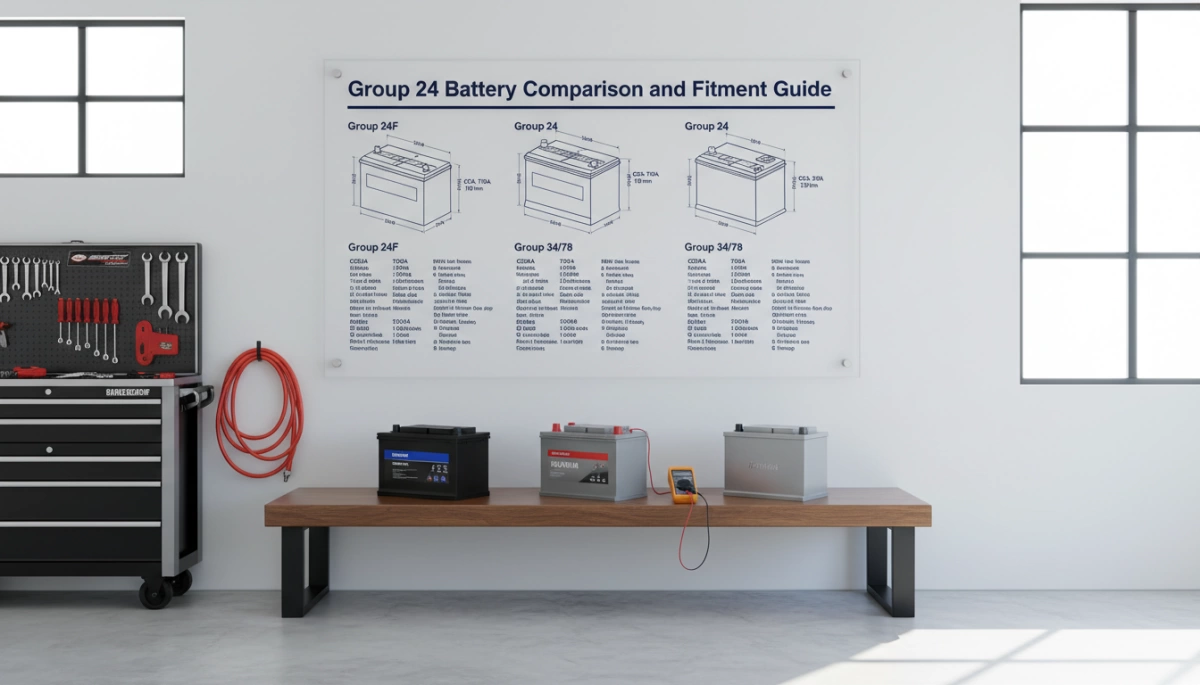
Quando aggiorni il tuo sistema di alimentazione, le dimensioni sono importanti quanto la capacità. La batteria del Gruppo BCI 24 è spesso la scelta “d’orologio” per molti proprietari di camper e barche perché si adatta alle scatole batteria standard di fabbrica offrendo energia massiccia e affidabile.
Gruppo 24 vs Gruppo 27: Dimensioni vs Capacità
La principale differenza tra questi due è l’impronta fisica.
- Gruppo 24: Misura circa 26 cm L x 17,3 cm P. È lo standard del settore per spazi ristretti.
- Gruppo 27: Di solito circa 30,5 cm di lunghezza, richiede più spazio sulla mensola.
Nel mondo del litio, inseriamo un Batteria LiFePO4 da 100Ah 12V in una scatola del Gruppo 24. Questo ti dà la stessa densità energetica che prima richiedeva una batteria al piombo-acido molto più grande e pesante del Gruppo 27, rendendo il aggiornamento al litio Group 24 la scelta più intelligente per l’efficienza nello spazio.
Gruppo 24 vs Gruppo 31: Necessità Heavy-Duty
Il Gruppo 31 è il “peso massimo” del gruppo, essendo significativamente più lungo e più alto. Mentre una batteria al piombo-acido del Gruppo 31 viene spesso scelta per esigenze di alta capacità, comporta un enorme peso aggiuntivo. Le nostre opzioni di litio del Gruppo 24 offrono capacità utilizzabile di 100% (DOD), il significato di un singolo Group 24 LiFePO4 spesso supera una ingombrante batteria al piombo-acido Group 31 in autonomia reale senza il peso schiacciante.
Quando scegliere il Group 24 per vincoli di installazione
Dovresti attenerti alla dimensione Group 24 se il tuo setup prevede:
- Vassoi per batteria esistenti: La maggior parte dei compartimenti factory di RV e motori da traino sono costruiti specificamente per questa impronta.
- Sensibilità al peso: Mantenere il peso sulla lingua o l'equilibrio della barca è più facile con un'unità compatta e leggera.
- Espansione modulare: Spesso è più facile inserire due batterie Group 24 affiancate in un'area di stoccaggio personalizzata piuttosto che lottare con le dimensioni di gruppi BCI più grandi.
Sebbene ci specializziamo in queste dimensioni standard di veicoli, produciamo anche pacchi batteria LiFePO4 specializzati per luci stradali a LED solari e altre applicazioni compatte, garantendo che, indipendentemente dal “vincolo di installazione”, abbiamo una soluzione al litio ad alte prestazioni pronta all'uso. Scegliere la dimensione giusta garantisce una sostituzione plug-and-play Group 24 esperienza che è davvero plug-and-play.
Installazione e Sicurezza: Tutto quello che Devi Sapere sugli Aggiornamenti delle Batterie Group 24
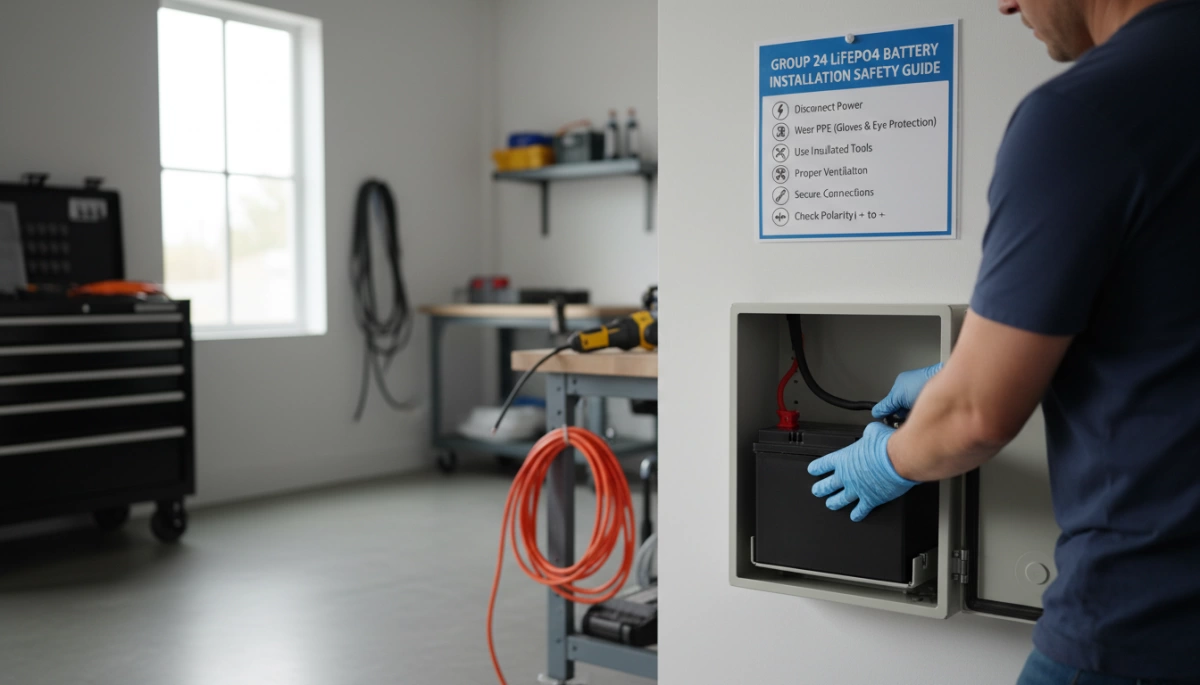
L'upgrade a un Batteria LiFePO4 Gruppo 24 è un processo senza soluzione di continuità se segui alcune norme professionali. Come produttore, progettiamo queste unità per essere una vera sostituzione plug-and-play, cioè che corrispondono all'impronta delle batterie tradizionali al piombo-acido offrendo prestazioni significativamente migliori.
Garantire una vestibilità aderente e un cablaggio corretto
Le nostre batterie al litio Group 24 seguono rigorosamente le dimensioni standard BCI (circa 26,04 cm x 17,27 cm x 22,54 cm). Poiché il litio è circa 1/3 del peso delle batterie al piombo-acido, è necessario assicurarsi che la batteria sia correttamente fissata con cinghie o staffe per evitarne lo spostamento nel tuo camper o barca durante il trasporto.
- Espansione della capacità: Se le tue esigenze di energia aumentano, puoi facilmente collegare le nostre batterie in parallelo per aumentare le tue ore-ampere totali.
- Scala di tensione: Per applicazioni ad alta potenza come una batteria motore trolling Group 24 configurazione, puoi collegare le unità in serie per ottenere 24V o 36V.
- Protezione Smart BMS: Il nostro integrato BMS Intelligente gestisce automaticamente l'equilibratura delle celle e protegge da cortocircuiti durante l'installazione.
Linee guida di ricarica e manipolazione
Per raggiungere il potenziale di 4.000–6.000+ cicli, dovresti usare un caricabatterie specificamente progettato per la chimica LiFePO4. Sebbene alcuni caricabatterie AGM possano funzionare, un caricabatterie dedicato al litio garantisce che la batteria raggiunga una capacità utilizzabile del 100% senza stressare le celle LiFePO4 di Classe A.
- Orientamento di montaggio: A differenza delle batterie al piombo-acido, queste batterie possono essere montate di lato o in verticale, offrendo maggiore flessibilità negli spazi ristretti dei camper.
- Requisiti di ventilazione: Una delle domande di sicurezza più frequenti che riceviamo è le batterie LiFePO4 devono essere ventilate? Nella maggior parte delle applicazioni standard, non richiedono ventilazione esterna perché non rilasciano gas tossici durante carica o scarica.
- Sicurezza della temperatura: Se operi in ambienti estremamente freddi, controlla sempre la temperatura interna prima di caricare. La nostra serie di riscaldamento a bassa temperatura è raccomandata per gli utenti che devono caricare in ambienti sotto zero.
Seguendo questi passaggi professionali di installazione, garantisci il tuo Batteria LiFePO4 Gruppo 24 rimane una fonte di energia affidabile e senza manutenzione per oltre un decennio.
Consigli di manutenzione per la longevità della batteria Group 24
Perché il litio supera il piombo-acido per la manutenzione
Una delle principali ragioni per cui consiglio un aggiornamento a litio Group 24 ai nostri clienti è la totale assenza di manutenzione. Mentre le batterie tradizionali a inondazione richiedono di controllare i livelli d'acqua e pulire le corrosioni acide, il nostro Batteria LiFePO4 Gruppo 24 è completamente sigillato e senza manutenzione. Non devi preoccuparti di sfiatare i gas o di cariche di equalizzazione. È davvero una soluzione di alimentazione “imposta e dimentica” per il tuo camper o barca.
Raccomandazioni di stoccaggio e monitoraggio SOC
Se vuoi proteggere il tuo investimento, come conservi il tuo batteria a ciclo profondo Group 24 è importante. A differenza del piombo-acido, che deve rimanere al 100% di SOC per evitare la sulfatazione, il litio è più felice a uno stato di carica parziale (SOC).
- Livello di stoccaggio ideale: Mantieni la batteria a dal 50% al 60% di SOC se non la usi per più di un mese.
- Controllo della Temperatura: Conservala in un luogo fresco e asciutto. Evita temperature di congelamento quando la batteria è completamente scarica.
- Monitoraggio BMS: Utilizza il BMS intelligente integrato per monitorare lo stato delle celle. Per chi costruisce configurazioni personalizzate, utilizzando un pacchetto batteria LiFePO4 da 12,8V 80Ah 32650 garantisce gli stessi standard di stabilità e protezione che integriamo nelle nostre unità Group 24.
Massimizzare la durata del ciclo e sapere quando sostituire
Per ottenere la piena durata di 10 anni dalla tua batteria, evita di scaricarla costantemente fino a 0%, anche se il litio può gestirlo. La maggior parte dei nostri utenti ottiene i migliori risultati rimanendo nell'intervallo tra 10% e 90%.
Quando dovresti sostituirla?
- Calo di capacità: Quando la batteria non mantiene più almeno l'80% della sua capacità nominale originale.
- Danni fisici: Qualsiasi segno di rigonfiamento della custodia o danni ai terminali.
- Avvisi BMS: Se il sistema di gestione interno si disattiva frequentemente a causa di squilibrio delle celle.
Seguendo questi semplici passaggi, garantisci il tuo batteria di gruppo 24 fornisce energia affidabile e ad alte prestazioni per anni di avventure off-grid.





 Italian
  English
  German
  Spanish
  French
  Polish
  Russian
  Thai
Thai  Turkish
  Japanese
  Korean