
Comprendere le Basi: Cosa Sono le Batterie al Gel e al Litio?
Quando consulento i clienti sull'accumulo di energia, la conversazione inizia sempre con i due leader del settore: Gel e Litio. Sebbene entrambi rappresentino miglioramenti significativi rispetto alle tradizionali batterie al piombo-acido bagnate, servono esigenze operative diverse. Il mio obiettivo è assicurarti di comprendere le meccaniche interne prima di investire nel tuo power bank.
Batterie al Gel: VRLA con Elettrolita a Gel di Silice
Le mie batterie al Gel a ciclo profondo utilizzano un design specializzato Valvola Regolata al Piombo (VRLA) Invece di un elettrolita liquido, queste batterie usano un gel di silice per sospendere l'acido. Questo crea una consistenza densa, simile a una pasta, che offre diversi vantaggi distinti:
- Senza Manutenzione: Il design completamente sigillato significa che non devi mai controllare i livelli d'acqua.
- Resistenza alle Vibrazioni: L'elettrolita gelificato protegge le piastre interne, rendendole ideali per ambienti industriali o marini robusti.
- Resilienza alla Temperatura: Eccellono in climi rigidi dove altre batterie potrebbero fallire.
Batterie al Litio: LiFePO4 come Standard per Cicli Profondi
Per applicazioni ad alte prestazioni, consiglio Litio Ferro Fosfato (LiFePO4) tecnologia. Questa è la scelta “Intelligente” per i sistemi energetici moderni, offrendo un livello di controllo ed efficienza che le tecnologie legacy non possono eguagliare.
- Sistema di Gestione Intelligente Integrato: Ogni unità dispone di un Sistema di Gestione della Batteria (BMS) che monitora tensione e temperatura in tempo reale.
- Alta Densità Energetica: Ottieni significativamente più energia in uno spazio che spesso pesa 1/3 rispetto a un equivalente al Gel.
- Durata estrema: Progettate per migliaia di cicli, rendendole una soluzione “imposta e dimentica” per impianti solari e off-grid.
Principali Differenze Chimiche e Capacità di Stoccaggio
La differenza fondamentale risiede nel modo in cui queste batterie gestiscono l'energia. Le batterie al Gel si affidano a una reazione chimica all’interno di una matrice gel stabile, mentre le batterie al Litio spostano ioni rapidamente per capacità di scarica elevata.
| Caratteristica | Nuranu Deep Cycle Gel | Nuranu Lithium LiFePO4 |
|---|---|---|
| Tipo di Elettrolita | Acido Gelificato con Silice | Fosfato di Litio |
| Profilo di Peso | Pesante / Robusto | Ultra-leggero |
| Caratteristiche di Sicurezza | Antifulmine / Sigillato | BMS intelligente integrato |
| Migliore Applicazione | Standby & Temperature Estreme | Alta Durata di Ciclo Solare / Camper |
| Manutenzione | Zero manutenzione | Zero manutenzione |
Secondo la mia esperienza, scegliere tra loro dipende dal tuo ambiente specifico. Mentre il Gel è un workhorse robusto ed economico per l'alimentazione di backup, il LiFePO4 è il re indiscusso di efficienza e prestazioni a lungo termine.
Confronto tra Prestazioni di Gel Nuranu e Lithium
Per capire il Scontro tra batteria Gel e Lithium, dobbiamo analizzare i dati grezzi. Sebbene entrambi svolgano ruoli critici nell'immagazzinamento di energia, il divario tecnico in efficienza e longevità è significativo. Abbiamo progettato le nostre batterie LiFePO4 e Gel Deep Cycle per soddisfare esigenze industriali e ricreative specifiche, garantendo affidabilità in ogni caso.
Analisi Tecnica: Batteria LiFePO4 vs Gel
La tabella seguente evidenzia le differenze di prestazioni tra le nostre due tecnologie principali. Quando valuti il costo totale di proprietà, queste specifiche raccontano la vera storia.
| Caratteristica | Nuranu Deep Cycle Gel | Nuranu LiFePO4 (Litio) |
|---|---|---|
| Durata del ciclo | 500 – 1.000 Cicli | Oltre 6.000 cicli |
| Profondità di Scarica (DoD) | Raccomandato 50% | Fino a 100% Utilizzabile |
| Peso | Pesante (Standard Piombo-Acido) | 1/3 del Peso del Gel |
| Efficienza di Carica | ~85% | ~98% |
| Manutenzione | Senza Manutenzione | Senza Manutenzione + BMS Intelligente |
| Durata di vita | 3 – 5 Anni | Oltre 10 Anni |
Confronto Durata del Ciclo e Densità Energetica
La differenza più evidente risiede in la durata del ciclo della batteria. I nostri unità al litio offrono fino a 10 volte i cicli delle opzioni tradizionali al Gel. Questo rende il litio la scelta superiore per usi ad alta frequenza, come l'energia solare off-grid o la vita quotidiana in camper. Inoltre, il risparmio di peso con il litio è un cambiamento radicale per le applicazioni mobili. Puoi praticamente triplicare la capacità energetica senza aggiungere chili al tuo veicolo o alla tua imbarcazione.
Visualizzare il divario di efficienza
In termini di profondità di scarica (DoD), Le batterie a gel sono tipicamente limitate a 50% per evitare danni permanenti. Le nostre batterie al litio consentono una scarica di quasi 100%, il che significa che una batteria al litio da 100Ah fornisce il doppio dell'energia utilizzabile rispetto a una batteria a gel da 100Ah. Poiché ci concentriamo su una produzione di alta qualità, scegliere un produttore di batterie LiFePO4 affidabile assicura che questi guadagni di efficienza siano supportati dall'affidabilità delle celle di Classe A e da sistemi di sicurezza integrati.
- Densità Energetica Superiore: Più potenza in un ingombro più piccolo e leggero.
- Ricarica più veloce: Il litio accetta correnti più elevate, utilizzando l'energia solare in modo più efficace.
- Stabilità della Tensione: Il litio mantiene una curva di scarica piatta, fornendo energia costante fino a quasi esaurimento.
- Durabilità: Le batterie a gel rimangono la scelta preferita per la resistenza alle temperature estreme e il backup in standby, dove la scarica è poco frequente.
Metriche Chiave di Prestazione: Confronto tra Batteria a Gel e Lithium
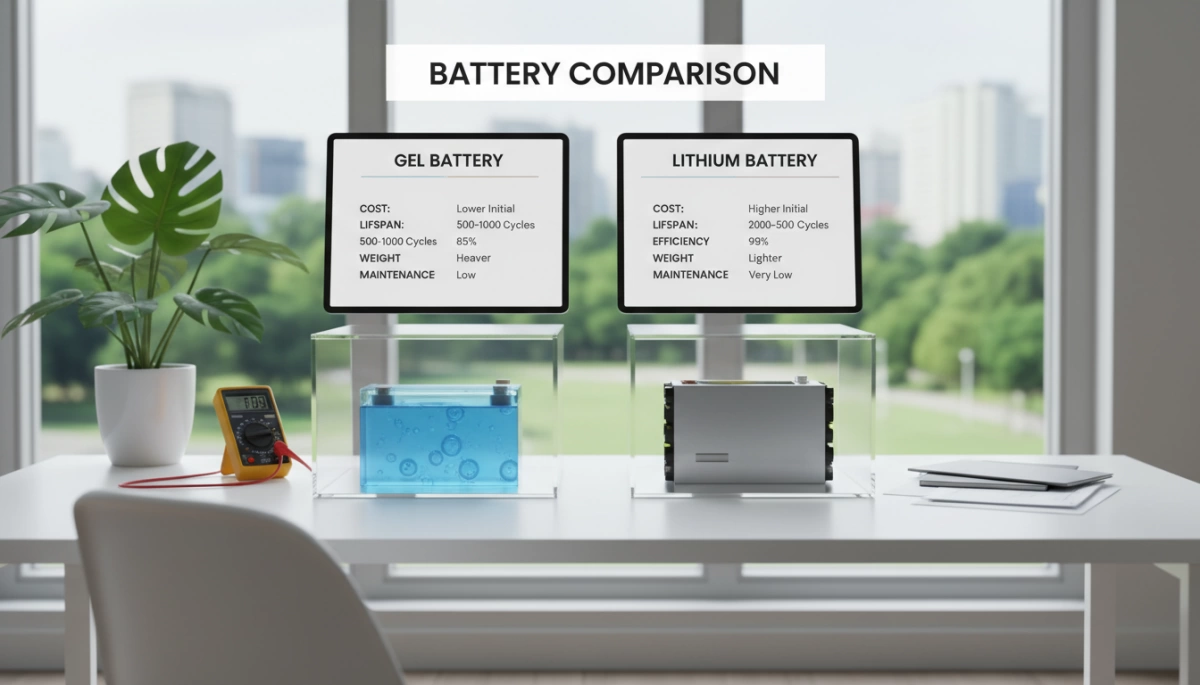
Quando si confrontano tecnologie LiFePO4 vs batteria a gel la differenza di prestazioni diventa evidente una volta analizzati i dati grezzi. Le nostre soluzioni di alimentazione Nuranu sono progettate per spingere i limiti di ciò che può fare lo stoccaggio a ciclo profondo, sia che si gestisca una baita remota o un'impostazione marittima di alta gamma.
Durata del Ciclo e Longevità: 500-1.000 vs oltre 6.000 cicli
Il più grande fattore distintivo è il la durata del ciclo della batteria. Un confronto tra batterie a ciclo profondo mostra che le batterie a gel gestiscono tipicamente da 500 a 1.000 cicli prima che le prestazioni diminuiscano significativamente. Al contrario, Nuranu tecnologia LiFePO4 è valutata per 6.000+ cicli.
- Gel: 2-5 anni di uso occasionale.
- Litio: Oltre 10 anni di ciclaggio profondo quotidiano.
Profondità di Scarica (DoD): Capacità Raccomandata 50% vs Capacità Utilizzabile 100%
Il Profondità di Scarica (DoD) determina quanta energia della batteria puoi effettivamente usare.
- Batterie al Gel: Per evitare danni permanenti, dovresti scaricarle solo fino a 50%. Se hai una batteria al Gel da 100Ah, hai solo 50Ah di potenza “reale”.
- Batterie al Litio: Puoi utilizzare in sicurezza fino a 100% della capacità nominale senza danneggiare la chimica. Questo rende il litio molto più efficiente per batterie solari off-grid.
Peso e Densità Energetica: Il Vantaggio di 1/3 del Peso
Per applicazioni mobili come upgrade di batterie marine per camper, il peso è tutto. Il litio offre un enorme confronto di densità energetica vantaggio, con un peso di circa un terzo di una batteria al gel comparabile. Ciò consente una maggiore potenza in un ingombro minore e una migliore economia di carburante per i veicoli.
Efficienza di ricarica e utilizzo solare più rapido
Efficienza di ricarica della batteria è fondamentale quando si fa affidamento sul sole. Le batterie al litio accettano la corrente molto più velocemente del gel, raggiungendo una carica completa in una frazione del tempo. Mentre le batterie al gel richiedono un “bagno” lento e multistadio per raggiungere il 100%, il litio rimane affamato di energia finché non è quasi pieno. Se stai costruendo una configurazione personalizzata, potresti chiederti la batteria agli ioni di litio 18650 appartiene alla LiFePO4 chimica; sebbene condividano radici di litio, i nostri blocchi LiFePO4 sono specificamente stabilizzati per la massima sicurezza in questi scenari ad alta richiesta.
Stabilità della tensione e prestazioni di scarica costanti
- Litio: Mantiene una curva di tensione piatta. Le luci non si attenuano e l'inverter non si spegne quando la batteria si scarica.
- Gel: La tensione diminuisce costantemente man mano che la batteria viene utilizzata, il che può causare problemi all'elettronica sensibile verso la fine del ciclo.
Tolleranza alla temperatura in condizioni meteorologiche estreme
Sebbene il litio sia il re dell'efficienza, Nuranu Deep Cycle Gel le batterie hanno un vantaggio specifico in condizioni di freddo estremo. Gli elettroliti in gel sono naturalmente più resistenti al congelamento e funzionano in modo affidabile in ambienti non riscaldati dove il litio potrebbe richiedere un riscaldatore integrato per accettare una carica. Tuttavia, per la maggior parte dei climi standard, il risparmio di peso del litio rimane la priorità assoluta.
Sicurezza, manutenzione e durata
Quando si tratta di Scontro tra batteria Gel e Lithium, sicurezza e manutenzione sono i punti in cui queste due tecnologie divergono veramente. Do la priorità all'affidabilità nei nostri progetti, assicurando che, sia che tu scelga la robusta semplicità del gel o la precisione high-tech del litio, il tuo sistema di alimentazione rimanga sicuro e funzionale sotto pressione.
Protezione BMS vs. Affidabilità a prova di perdite
I profili di sicurezza di queste batterie sono costruiti su basi completamente diverse:
- Nuranu Litio (LiFePO4): Queste unità sono governate da un sofisticato Sistema di Gestione della Batteria (BMS). Questo “cervello” interno monitora attivamente tensione, corrente e temperatura per prevenire sovraccarichi o scariche profonde. Per chi cerca celle più piccole e ad alte prestazioni, le nostre Batteria 26650 LiFePO4 opzioni dimostrano lo stesso impegno per una chimica stabile e sicura.
- Gel a ciclo profondo: Queste si affidano alla costruzione fisica per la sicurezza. L’elettrolita in gel di silice crea un design antispill che è intrinsecamente resistente a perdite e vibrazioni intense, rendendole una scelta “imposta e dimentica” per ambienti industriali.
Funzionamento senza manutenzione e durabilità a lungo termine
Entrambe le opzioni sono qualificabili come batterie senza manutenzione, il che significa che non dovrai mai rabboccare l’acqua o controllare i livelli di acido. Tuttavia, la loro durabilità nel tempo differisce:
- Resistenza alla solfatazione: Il litio è immune alla solfatazione, un problema comune in cui le batterie al piombo-acido e in gel perdono capacità se lasciate in uno stato di carica parziale.
- Recupero intelligente: Se una batteria al litio entra in uno stato protettivo a causa di bassa tensione, conoscere come attivare la modalità di sonno della batteria al litio 18650 o protocolli BMS simili è essenziale per mantenere la salute a lungo termine.
- Durata del gel: Le batterie in gel sono eccezionalmente robuste in ruoli di standby, offrendo una durata più lunga rispetto alle tradizionali al piombo-acido senza il rischio di essiccarsi.
Resilienza ambientale e flessibilità operativa
I fattori ambientali giocano un ruolo fondamentale nel determinare quale batteria risulta la migliore per la tua configurazione specifica. Batterie al gel a ciclo profondo Nuranu sono leggendarie per le loro prestazioni in temperature estreme, mantenendo stabilità sia in alte temperature che in freddo glaciale. tecnologia LiFePO4, mentre preferite per la sua alta densità energetica e il telaio leggero, offrono una flessibilità operativa superiore per cicli ad alto utilizzo in camper e impianti solari dove peso e spazio sono prioritari. Entrambi i tipi offrono un percorso affidabile verso l’energia verde, ma la tua scelta dipende dal fatto che tu valuti di più la protezione “intelligente” di un BMS o la robustezza fisica di un’unità al gel sigillata.
Confronto tra batteria al gel e al litio: analisi dei costi
Risparmio iniziale con batterie al gel
Per molti utenti in Italia, il prezzo di ingresso è il fattore decisivo. Batterie al gel a ciclo profondo offrono un costo iniziale significativamente inferiore, rendendole la scelta preferita per progetti a budget limitato o sistemi di backup di emergenza che raramente subiscono cicli profondi. Se hai bisogno di energia immediata e affidabile senza un grande investimento capitale, la nostra gamma Gel offre il miglior rapporto “prezzo-per-ricarica”.
Costo totale di proprietà e ROI a lungo termine
Quando si confronta il costo totale di proprietà (TCO), il calcolo si sposta a favore del litio. Un tecnologie LiFePO4 vs batteria a gel confronto rivela che mentre il litio è più costoso al giorno uno, dura fino a 10 volte di più.
- Struttura dei costi del gel: Prezzo iniziale basso, ma richiede sostituzione ogni 2–3 anni in scenari di uso intensivo.
- Struttura dei costi del litio: Investimento iniziale più elevato, ma dura oltre 10 anni senza manutenzione.
- Costo per ciclo: Alla fine, il litio costa una frazione del Gel perché non si paga la manodopera e la spedizione di più unità di ricambio nell'arco di un decennio.
Valore della garanzia e affidabilità delle celle di grado A
Sosteniamo le nostre soluzioni di alimentazione con garanzie solide che riflettono la qualità dei nostri componenti. Utilizziamo solo Classe A nelle nostre costruzioni al litio per garantire la massima efficienza e sicurezza. Investire in celle di alta qualità è fondamentale perché la durata di servizio delle batterie al litio è il principale motore del tuo ROI a lungo termine. Scegliendo hardware interno di alta qualità, eviti i costi nascosti di guasti precoci e tempi di inattività del sistema.
Applicazioni reali: confronto tra batterie al gel e al litio
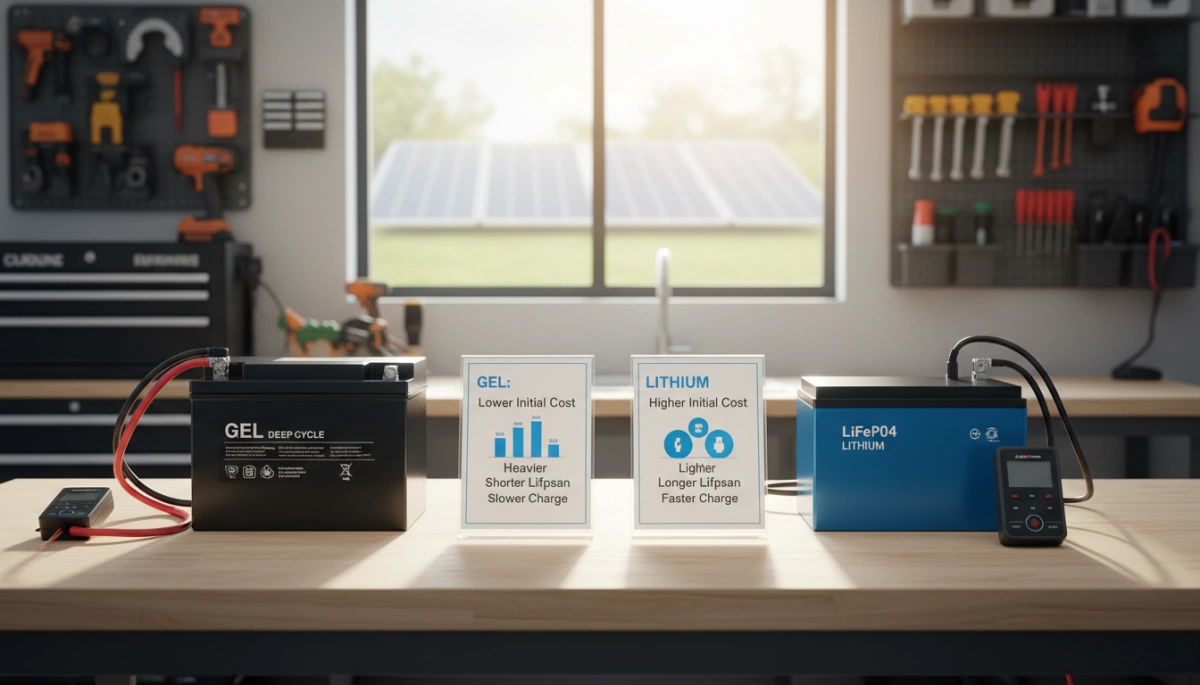
Scegliere tra queste due tecnologie non significa stabilire quale sia “migliore” in assoluto, ma quale si adatti al tuo specifico profilo di potenza. Vediamo le differenze più chiaramente quando mettiamo le nostre batterie Nuranu al lavoro in ambienti italiani impegnativi, dalle baite fuori rete del Trentino-Alto Adige alle installazioni marine siciliane.
Sistemi solari off-grid e di energia domestica
Per il solare residenziale, il tecnologie LiFePO4 vs batteria a gel dibattito di solito si conclude con la vittoria del litio. Gli utenti off-grid hanno bisogno di una batteria in grado di gestire cicli giornalieri senza problemi.
- Uso quotidiano: La capacità utilizzabile del litio del 100% significa che hai bisogno di meno batterie per alimentare la tua casa durante la notte.
- Efficienza: Le nostre unità al litio catturano e immagazzinano l'energia solare con un'efficienza molto maggiore rispetto al gel, garantendo che nessuna luce solare vada sprecata.
- Scala: Per coloro che costruiscono sistemi più grandi, i nostri speciali pacchi batteria forniscono la densità necessaria per lo stoccaggio ad alta capacità in spazi ristretti.
Aggiornamenti di batterie per camper e nautica
Nelle applicazioni mobili, peso e spazio sono i tuoi più grandi nemici. È qui che l' aggiornamento della batteria per camper e nautica diventa un punto di svolta per il litio.
- Risparmio di Peso: Passare a Nuranu Lithium offre un risparmio di 1/3 del peso rispetto al Gel, migliorando l'economia di carburante e la maneggevolezza del veicolo.
- Ricarica Rapida: Il litio accetta correnti più elevate, il che significa che puoi ricaricare il tuo banco molto più velocemente tramite un alternatore o alimentazione di terra.
- Sicurezza prima di tutto: Poiché queste batterie vivono in spazi ristretti, la sicurezza è una priorità. Molti utenti chiedono le batterie LiFePO4 sono sicure per uso interno, e la risposta è sì; la loro chimica stabile e il BMS integrato le rendono ideali per gli alloggi abitativi.
Soluzioni di backup e alimentazione di riserva
Mentre il litio domina l'uso quotidiano, Nuranu batterie Deep Cycle Gel rimangono una scelta di prima classe per applicazioni di standby.
- UPS di emergenza: Se la tua batteria trascorre 99% della sua vita in attesa di un'interruzione di corrente, il Gel è una soluzione economica e affidabile.
- Bassa manutenzione: Queste sono davvero senza manutenzione, antispill e possono rimanere in carica flottante per periodi prolungati senza la gestione sofisticata richiesta dal litio.
- Resistenza alle temperature: Il Gel è altamente resistente in garage o capanni non riscaldati durante i freddi inverni estremi.
Scenari di alta richiesta e prestazioni dell'inverter
Quando utilizzi elettrodomestici ad alto assorbimento come microonde, utensili elettrici o unità di condizionamento, il batterie a ciclo profondo mette in evidenza una differenza importante nella stabilità della tensione.
- Nessuna Caduta di Tensione: Il litio mantiene una tensione costante anche sotto carico pesante, impedendo al tuo inverter di scattare a causa di bassa tensione.
- Alta Scarica: Il nostro BMS al litio consente tassi di scarica ad alta burst che farebbero crollare la tensione di una batteria al Gel.
- Recupero: Il litio si riprende istantaneamente da picchi di domanda elevata, mentre il Gel richiede più tempo per stabilizzarsi dopo un consumo intenso.
Il Verdetto: Quale Batteria Risulta la Migliore?
In Scontro tra batteria Gel e Lithium, la scelta dipende interamente dai tuoi obiettivi energetici specifici e dal budget. Sebbene entrambe le tecnologie siano molto avanti rispetto alle opzioni tradizionali al piombo acido bagnato, servono a scopi diversi. Per la maggior parte degli utenti moderni, tecnologia LiFePO4 è lo standard d'oro per efficienza e longevità. Tuttavia, il Gel rimane una scelta affidabile ed economica per ruoli di standby specifici.
Perché il LiFePO4 Domina per la Maggior Parte degli Utenti Moderni
Per chi costruisce un serio impianto solare, un sistema di alimentazione per camper o una configurazione marina, il litio è il campione indiscusso. Il costo totale di proprietà è significativamente più basso perché una singola batteria Nuranu LiFePO4 può durare più di dieci batterie al Gel.
- Durata del ciclo superiore: Ottenendo oltre 6.000 cicli rispetto ai 500–1.000 delle batterie al Gel.
- Utilizzo Completo della Potenza: Puoi usare il 100% della capacità senza danneggiare le celle.
- Protezione Intelligente: Il nostro sistema integrato Sistema di Gestione della Batteria (BMS) previene automaticamente sovraccarichi e surriscaldamenti.
- Efficienza del Peso: A circa 1/3 del peso del Gel, è l'unica scelta per applicazioni mobili.
Scenario di nicchia in cui il Gel ha ancora senso
Nonostante il pro e contro delle batterie al litio spesso orientandosi verso LiFePO4, soluzione energetica senza manutenzione Le batterie al Gel sono ancora rilevanti. Sono la scelta ideale per sistemi di backup a budget limitato, dove la batteria rimane in modalità standby per la maggior parte della sua vita. Poiché gestiscono bene le fluttuazioni di temperatura estreme e richiedono zero manutenzione, sono eccellenti per telecomunicazioni remote o illuminazione di emergenza di base. Se il tuo progetto ha un budget iniziale rigoroso e non verrà ciclicamente ricaricato quotidianamente, la nostra gamma Deep Cycle Gel offre la durabilità di cui hai bisogno senza il prezzo elevato.
Scegliere una fonte di energia affidabile ad alte prestazioni
La scelta finale dipende da come prevedi di usare la tua energia. Se cicli il sistema quotidianamente—come in batterie solari off-grid configurazioni—Il litio è l'unica opzione. Offre una ricarica più rapida e una tensione costante fino a quando la batteria è quasi vuota. Per chi si concentra su energia sostenibile per illuminazione solare o backup industriale, è fondamentale scegliere una batteria con celle di grado A e una comprovata affidabilità. Forniamo entrambe le tecnologie per garantirti lo strumento giusto per il lavoro, supportato da capacità di scarica elevate e costruzione robusta.
Domande frequenti
Posso sostituire direttamente il Gel con il litio?
Nella maggior parte delle configurazioni, sì. Puoi sostituire una batteria al Gel a ciclo profondo con una batteria Nuranu LiFePO4 perché condividono piattaforme di tensione simili. Tuttavia, devi assicurarti che i tuoi cavi possano gestire la corrente più alta fornita dal litio. Sebbene lo scambio sia fisicamente semplice, verifica sempre che il profilo di ricarica corrisponda alle esigenze della chimica del litio per massimizzare il tuo investimento.
Le batterie al litio valgono il prezzo premium?
Il costo iniziale del litio è più alto, ma il costo totale di proprietà è significativamente più basso. Una batteria Nuranu al litio offre oltre 6.000 cicli rispetto ai 500–1.000 cicli tipici del Gel. Quando consideri che non dovrai sostituire la batteria ogni pochi anni, il litio è la scelta più economica per l'energia a lungo termine.
- Durata: Dura fino a 10 volte di più rispetto al Gel.
- Potenza utilizzabile: Profondità di scarica (DoD) di 100% contro 50% per Gel.
- Peso: Accendino 60%, ideale per uso in camper e nautico.
Come passare dal sistema di ricarica a Gel a quello al Litio
Il passaggio richiede di regolare il caricatore su un profilo specifico per il Litio. Le batterie al Litio richiedono una curva di carica a corrente costante/voltaggio costante (CC/CV) senza una fase di “desolfatazione” o “equalizzazione”, che può danneggiare le celle. La maggior parte dei controller solari moderni ha un interruttore per questo. Comprendere come caricare correttamente una batteria 32650 o pacchi LiFePO4 più grandi è fondamentale per garantire che la Sistema di Gestione della Batteria (BMS) integrità rimanga sana e che la batteria raggiunga la sua durata di oltre un decennio.
- Controlla la tensione: Assicurati che il caricatore raggiunga 14,4V–14,6V per sistemi da 12V.
- Disabilita l'equalizzazione: Mai usare modalità di manutenzione al piombo-acido sui sistemi al Litio.
- Monitora le temperature: Sebbene le batterie Nuranu siano robuste, la ricarica a temperature estreme sotto zero richiede un caricatore con protezione a bassa temperatura.





 Italian
  English
  German
  Spanish
  French
  Polish
  Russian
  Thai
Thai  Turkish
  Japanese
  Korean