
Fattori che influenzano il peso delle batterie a ciclo profondo
Quando si equipaggia un camper, una barca o un impianto solare, comprendere peso della batteria a ciclo profondo è fondamentale per gestire il peso totale del veicolo (GVWR) e l'efficienza del carburante. Il peso di una batteria non è un numero casuale; è una riflessione diretta della sua chimica interna, capacità e qualità costruttiva.
Come la chimica influisce sul peso
I componenti interni usati per immagazzinare energia sono i principali fattori di massa.
- Piombo-acido e AGM: Queste batterie si basano su piastre di piombo spesse ed elettroliti acidi pesanti. Poiché il piombo è uno dei materiali più densi comunemente usati, questi dispositivi sono notoriamente pesanti e difficili da manovrare.
- LiFePO4 (Fosfato di Ferro-Litio): Progettiamo le nostre batterie Nuranu usando il Fosfato di Ferro-Litio, che ha una densità energetica molto più alta. Questa tecnologia ci permette di ridurre il peso a circa 1/3 di una batteria tradizionale al piombo-acido offrendo la stessa o migliore potenza di uscita.
Standard di capacità e dimensioni del gruppo BCI
L'impronta fisica e la quantità di energia immagazzinata (Ampere-ora) determinano anche il peso.
- Dimensioni del Gruppo BCI: Standard come Gruppo 24, 27 e 31 definiscono le dimensioni fisiche. In generale, una dimensione del gruppo più grande può contenere più materiali e quindi pesare di più.
- Capacità in Amp-Hora (Ah): Una batteria da 300Ah richiede più celle interne e materiali rispetto a un modello da 100Ah. Quando si confrontano peso della batteria da 100Ah, la chimica rimane la variabile più grande, ma la capacità è il parametro di riferimento per la dimensione fisica.
Qualità costruttiva interna e involucro
Ciò che è dentro la scatola conta tanto quanto la chimica.
- Qualità delle piastre e delle celle: Utilizziamo celle prismatiche di Classe A progettate per efficienza e riduzione del peso. Nella tecnologia al piombo-acido più vecchia, erano necessarie piastre più spesse per durabilità, aggiungendo volume significativo.
- Materiali dell'involucro: Le batterie moderne a ciclo profondo usano plastiche resistenti agli urti, plastiche impermeabili con classificazione IP65. Questi materiali offrono una protezione robusta per l'uso off-grid senza il peso inutile delle vecchie scatole in gomma o metallo pesante.
Una batteria più pesante significa qualità migliore?
In passato, una batteria al piombo-acido più pesante indicava spesso piastre più spesse e una durata più lunga. Tuttavia, nel mercato moderno, questa logica è obsoleta.
- Lo Spostamento Peso-Potenza: Una batteria pesante è ora spesso un indicatore di tecnologia più vecchia e meno efficiente.
- Superiorità del Litio: Le nostre batterie leggere al LiFePO4 offrono 4.000 a 6.000+ cicli profondi e una durata di 10 anni, dimostrando che non è necessario essere “più pesanti” per ottenere “meglio”.
- Portabilità: Scegliere una batteria più leggera semplifica le installazioni fai-da-te e riduce lo sforzo fisico sulla sospensione del veicolo e sulla tua schiena.
Peso medio per tipo di batteria
Quando si confrontano le pesi medi delle batterie deep cycle, la chimica all’interno del contenitore è il fattore più importante. Tradizionalmente, l’energia delle batterie deep cycle significava portare in giro pesanti piastre di piombo, ma la tecnologia moderna ha cambiato significativamente questa scala.
Piombo-acido bagnato: il peso massimo tradizionale
Le batterie piombo-acido bagnato (FLA) sono lo standard classico. Si affidano a piastre di piombo spesse e pesanti immerse in un elettrolito liquido. Per una capacità standard di 100Ah, un peso della batteria marino di solito si aggira tra 60 e 70 libbre. Poiché non sono sigillate, devono rimanere in posizione verticale, rendendo il loro ingombro ancora più difficile da gestire durante l’installazione.
AGM e Gel: senza manutenzione ma ingombranti
Le batterie AGM (Absorbent Glass Mat) e Gel sono popolari perché sono a prova di perdite e senza manutenzione. Tuttavia, “senza manutenzione” non significa “leggera”. Poiché utilizzano ancora la chimica al piombo-acido, un peso della batteria deep cycle AGM è spesso superiore alle versioni sommerse per compensare i materiali interni più densi.
- Peso della batteria da 100Ah: 65–75 libbre
- Vantaggi: Sigillata e resistente alle vibrazioni
- Svantaggi: Estremamente pesante e difficile da spostare da solo
Litio (LiFePO4): Il rivoluzionario leggero
È qui che abbiamo rivoluzionato il mercato. La nostra tecnologia LiFePO4 offre una riduzione massiccia del peso senza sacrificare la potenza. Un Nuranu peso della batteria da 100Ah è di circa 23 a 24 libbre (10,5 kg a 11 kg).
Passando al litio, si riduce efficacemente il peso della batteria del 60% al 70%. Mentre il litio è molto più leggero, beneficia anche di cos'è la ricarica ottimizzata della batteria tramite un Smart BMS integrato, garantendo che ogni libbra della batteria venga utilizzata in modo efficiente. Questo la rende la soluzione definitiva batteria deep cycle leggera per applicazioni in cui ogni grammo conta, come la pesca competitiva o l'overlanding.
| Tipo di batteria | Peso medio (100Ah) | Confronto di peso |
|---|---|---|
| Piombo-acido allagato | 60 – 70 libbre | 100% (Linea di base) |
| AGM / Gel | 65 – 75 libbre | 110% |
| Nuranu LiFePO4 | 23 – 24 libbre | ~33% (1/3 del peso) |
Grafico del peso della batteria a ciclo profondo
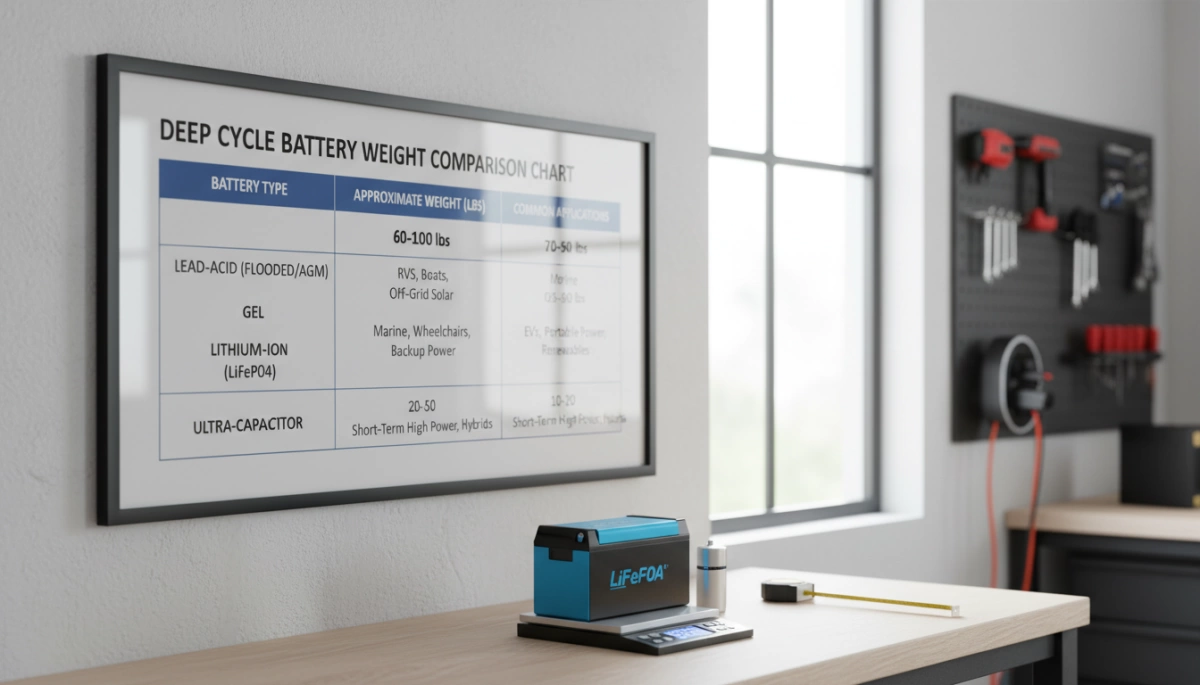
Quando pianifichi il tuo sistema di alimentazione, comprendere la grafico del peso della batteria a ciclo profondo è essenziale per rimanere entro i limiti di carico del veicolo. Le dimensioni standard delle batterie del gruppo BCI (come 24, 27 e 31) standardizzano le dimensioni fisiche, ma la chimica interna determina il peso finale. Le batterie tradizionali al piombo-acido sono notoriamente pesanti, mentre la nostra tecnologia LiFePO4 riduce significativamente quel peso.
Confronto del peso per dimensione e tipo di gruppo BCI
| Tipo di batteria | Dimensione del gruppo BCI | Capacità (Ah) | Peso approssimativo (libbre) |
|---|---|---|---|
| Piombo-acido allagato | Gruppo 24 | 75–85Ah | 45–50 libbre |
| Piombo-acido allagato | Peso della batteria a ciclo profondo del gruppo 27 | 90–100Ah | 54–62 libbre |
| AGM / Piombo sigillato | Peso della batteria del gruppo 31 | 100–115Ah | 65–75 libbre |
| Nuranu LiFePO4 | Custodia standard | peso della batteria da 100Ah | 23–24 libbre |
| Nuranu LiFePO4 | Alta capacità | 200Ah | 48–52 libbre |
| Nuranu LiFePO4 | Capacità Massima | 300Ah+ | 65–72 lb |
Scala: da 100Ah a 300Ah+ di Peso
Man mano che aumenti la capacità per sistemi off-grid o peso della batteria marino requisiti, la differenza diventa ancora più evidente.
- Capacità di 100Ah: Un'unità singola al piombo-acido di Gruppo 31 pesa circa 66 lbs. Il nostro equivalente in LiFePO4 è di soli 23 lb, offrendo la stessa energia con circa 1/3 del peso.
- Capacità di 200Ah: Raggiungere i 200Ah con il piombo-acido di solito richiede due batterie pesanti per un totale di 130+ lbs. La nostra batteria LiFePO4 da 200Ah singola pesa solo circa 50 lbs.
- 300Ah e oltre: Per grandi impianti solari, passare al litio permette di risparmiare centinaia di chili, proteggendo la sospensione del veicolo e migliorando l’efficienza del carburante.
Utilizzando le nostre celle prismatiche di Classe A, garantiamo che anche le batterie di capacità più elevata rimangano gestibili per installazioni fai-da-te senza sacrificare la profondità di scarica 100% che le alternative al piombo-acido semplicemente non possono eguagliare.
Confronto del peso tra batteria Deep Cycle al Piombo-Acido e Litio
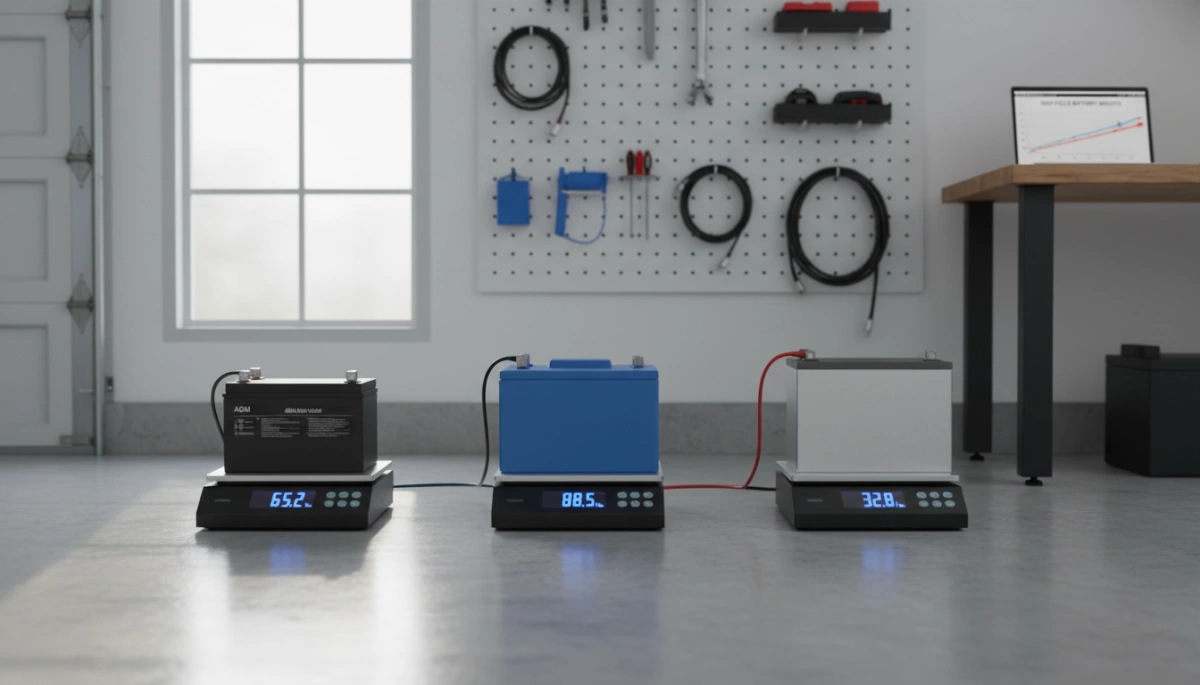
Quando si confrontano peso batteria al litio vs piombo-acido, la differenza fisica è immediata e significativa. Le nostre batterie LiFePO4 ad alte prestazioni sono progettate per essere 1/3 del peso di opzioni tradizionali al piombo-acido o AGM. Passare al litio permette di ottenere un riduzione di 60-70% nel peso totale, che rappresenta una svolta per chi gestisce un veicolo ricreazionale sensibile al carico o una nave marina critica in termini di velocità.
Capacità Utilizzabile e Profondità di Scarica
Il peso è solo metà della storia; l'energia utilizzabile è l'altra. Le batterie tradizionali al piombo-acido sono limitate a una Profondità di Scarica (DoD) del 50% per evitare danni permanenti. Al contrario, le nostre batterie LiFePO4 peso ti dà più “valore per i tuoi soldi” perché:
- Profondità di Scarica del 100%: Puoi usare tutta la capacità nominale senza danneggiare le celle.
- Potenza Costante: La tensione rimane stabile durante tutto il ciclo di scarica, a differenza delle al piombo che diminuisce rapidamente.
- Efficienza: Puoi visualizzare le nostre diverse batterie per tipo opzioni per vedere come configurazioni specifiche massimizzano la densità energetica in uno spazio ridotto e leggero.
Valore a lungo termine vs. Costi iniziali
Mentre una batteria al piombo-acido è più economica al momento dell'acquisto, è una soluzione pesante e a breve termine. Le nostre unità al litio sono un investimento a lungo termine nel tuo sistema di alimentazione. Fornendo 4.000 a 6.000+ cicli profondi, una batteria al litio Nuranu dura più di dieci batterie al piombo-acido. Quando si considera la durata e il notevole risparmio di peso, il costo per ciclo è significativamente inferiore, rendendo il litio la scelta più economica per applicazioni off-grid e marine serie.
Perché il peso della batteria a ciclo profondo è importante nell'uso reale
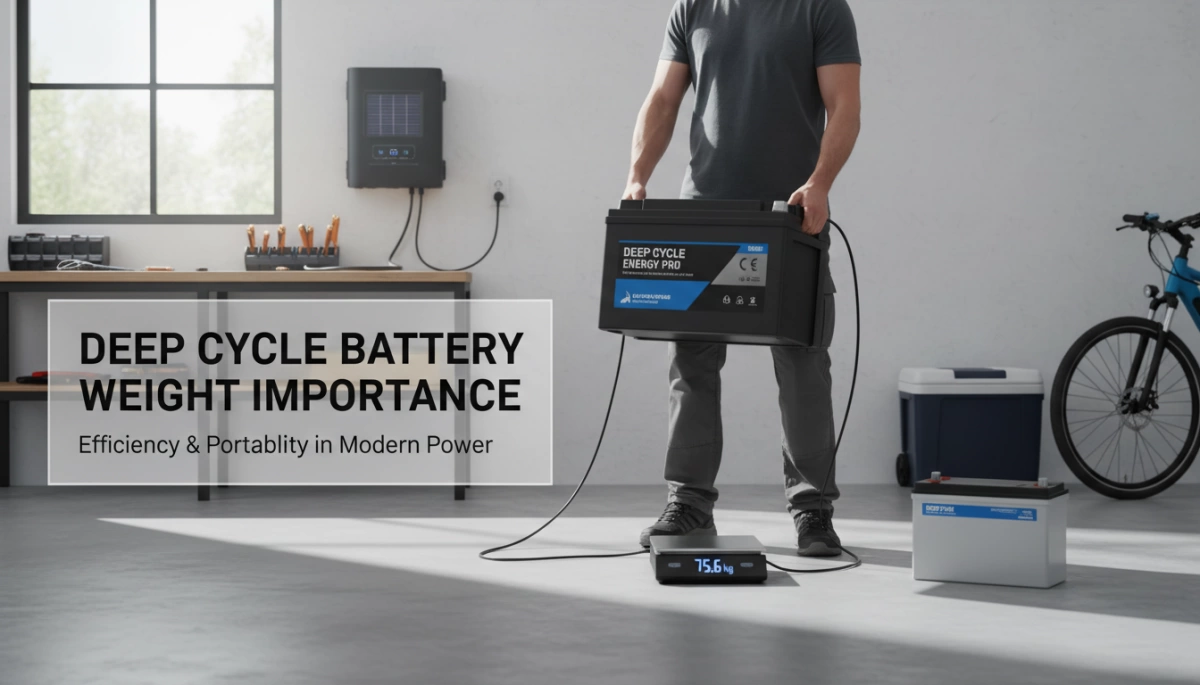
Capire quanto pesa una batteria a ciclo profondo non riguarda solo il numero sulla bilancia; riguarda come quel peso influisce sulla tua configurazione quotidiana e sulle prestazioni. Che tu stia percorrendo la strada o navigando in acque aperte, ogni chilo che porti con te influisce sulla tua efficienza e sicurezza.
Vita in RV e Van: Gestione del Peso Lordo del Veicolo (GVWR) e dell'Economia di Carburante
Per l'RVer italiano, rimanere sotto il Peso Lordo del Veicolo (GVWR) è una sfida costante. Le batterie tradizionali al piombo-acido possono facilmente assorbire 90-135 kg del tuo carico utile.
- Capacità di Carico: Passare a opzioni leggere in LiFePO4 ti permette di trasportare più attrezzature, acqua fresca o forniture senza superare i limiti di peso legali.
- Risparmio di carburante: Ridurre il carico totale sul motore migliora i miglia per gallone (MPG), facendoti risparmiare sui lunghi tragitti attraverso il paese.
Marina e Nautica: Miglioramento della trim e della velocità
Nel mondo della nautica, la distribuzione del peso è tutto. Una batteria pesante nella poppa può influire negativamente sulla trim della tua imbarcazione, rendendo più difficile alzarsi in planata e riducendo le velocità massime.
- Efficienza del motore trolling: Una batteria trolling più leggera per il motore trolling consente al motore di lavorare meno per muovere la stessa imbarcazione, prolungando il tempo trascorso sull'acqua.
- Migliore maneggevolezza: Ridurre il peso complessivo migliora la manovrabilità e riduce la pescaggio, cosa fondamentale nella pesca in acque poco profonde.
Solare e Off-Grid: Configurazione facile in località remote
Installare energia solare in capanne remote o fattorie off-grid spesso richiede di trasportare attrezzature a mano. Sebbene offriamo una vasta gamma di soluzioni energetiche, tra cui batterie al litio per uso personale e piccoli dispositivi elettronici, i nostri unità a ciclo profondo sono progettate per essere portatili.
- Trasporto manuale: Trasportare una batteria al litio da 23 libbre in un sito remoto è molto più facile che trasportare un equivalente in piombo-acido da 66 libbre.
- Energia impilabile: Puoi costruire un sistema di accumulo energetico più grande senza bisogno di pavimenti rinforzati per supportare migliaia di libbre di piombo.
Sicurezza nel sollevamento e movimentazione manuale
Lo sforzo fisico dell'installazione viene spesso sottovalutato. Le batterie al piombo-acido Standard Group 31 sono note per causare infortuni alla schiena durante le installazioni fai-da-te.
- Installazione per una sola persona: La maggior parte delle batterie Nuranu LiFePO4 pesa 1/3 rispetto a quelle al piombo-acido, rendendole sicure da sollevare e installare da una sola persona in compartimenti stretti.
- Terminali con bulloni M8: Il housing leggero combinato con terminali M8 facili da usare garantisce una configurazione rapida e senza stress, senza affaticamento muscolare.
Batterie Nuranu LiFePO4: La soluzione leggera
Dal 2012, ci siamo specializzati in tecnologia LiFePO4 ad alte prestazioni per risolvere i problemi di peso e durata intrinseci ai sistemi di alimentazione tradizionali. La nostra missione presso Nuranu è fornire energia affidabile e ad alta densità che non appesantisce il veicolo o la nave. Ci concentriamo su celle prismatiche di grado A e ingegneria intelligente per garantire che le nostre batterie siano le più leggere ed efficienti sul mercato.
Specifiche di peso delle batterie Nuranu 12V 100Ah LiFePO4
Quando le persone chiedono, “Quanto pesa una batteria a ciclo profondo?” sono spesso sorprese dalla grande differenza tra le chimiche. Mentre una batteria tradizionale al piombo-acido di capacità simile pesa tipicamente circa 30 kg, la nostra tecnologia al litio cambia completamente i calcoli.
- Peso di Nuranu 12.8V 100Ah: Circa 10,5 kg a 11 kg (23–24 lbs).
- Riduzione del peso: Le nostre batterie sono specificamente progettate per essere 1/3 del peso alternative al Piombo-Acido/AGM.
- Custodia: Housing compatto, impermeabile IP65, con terminali M8 durevoli.
Intelligenza integrata e lunga durata di ciclo
Il nostro batteria agli ioni di litio Le soluzioni fanno più che semplicemente alleggerire; integrano tecnologia avanzata per garantire sicurezza e valore a lungo termine. Ogni unità che produciamo è dotata di un Sistema di Gestione della Batteria (BMS) intelligente che monitora la salute delle celle in tempo reale.
- Durata: Valutato per 4.000 a 6.000+ cicli profondi, offrendo una durata di servizio di 10 anni.
- Caratteristiche di sicurezza: Protezione contro sovraccarico, scarica eccessiva, cortocircuiti e runaway termico.
- Efficienza: Capace di una profondità di scarica (DoD) di 100% senza danneggiare la chimica interna.
Aggiornamenti facili della batteria per la tua configurazione
Passare a una batteria deep cycle leggera da Nuranu è il modo più efficace per ottimizzare il tuo sistema di alimentazione mobile. Poiché le nostre batterie forniscono più energia utilizzabile a una frazione del peso, puoi aumentare la capacità totale del power bank senza superare il limite di peso del veicolo o semplicemente goderti un miglior risparmio di carburante e maneggevolezza di un veicolo più leggero. La nostra serie auto-riscaldante e abilitata Bluetooth rende queste le sostituzioni perfette per qualsiasi applicazione RV, marina o solare off-grid.
Scegliere la batteria a ciclo profondo giusta per la tua configurazione
Selezionare la batteria ideale richiede di bilanciare le esigenze di energia con i vincoli fisici del veicolo. Quando gli utenti chiedono “Quanto pesa una batteria a ciclo profondo?” spesso perché devono gestire un rigoroso Peso Lordo del Veicolo (GVWR) per un camper o cercare di mantenere il trim su una barca. Consigliamo un approccio “potenza prima di tutto” per garantire che la configurazione sia sicura ed efficiente.
Valutare le esigenze di energia e i limiti di peso
Prima di acquistare, calcola il tuo fabbisogno totale di Ampere-ora (Ah). Una volta conosciute le esigenze di capacità, confronta l’impronta fisica:
- Capacità totale: Per una richiesta di 100Ah, una batteria al piombo-acido aggiunge circa 30 kg (66 lbs) al carico. La nostra equivalente in LiFePO4 pesa solo 10,5 kg (23–24 lbs).
- Gestione del carico utile: Nelle applicazioni di vita in van e marine, passare al litio può risparmiare centinaia di chili, migliorando direttamente il risparmio di carburante e la maneggevolezza.
- Vincoli di spazio: Poiché utilizziamo celle prismatiche di alta densità di grado A, ottieni più energia utilizzabile in un pacchetto più piccolo e leggero.
Quando aggiornare al litio
Mentre le batterie al piombo-acido hanno un costo iniziale inferiore, sono limitate da una profondità di scarica (DoD) di 50% e da un profilo fisico pesante. Suggeriamo di passare alla nostra serie LiFePO4 se valorizzi:
- Efficienza del Peso: Raggiungere 1/3 del peso delle batterie tradizionali.
- Durata estrema: Ottenere 4.000 a 6.000+ cicli rispetto a pochi centinaia.
- Sicurezza e Intelligenza: Il nostro BMS intelligente integrato gestisce il lavoro pesante proteggendo da sovraccarichi e cortocircuiti.
Verifica di Installazione e Compatibilità
Prima di installare, assicurati che la tua fonte di ricarica (regolatore solare, alternatore o alimentazione di bordo) sia compatibile con i profili litio. Sebbene le nostre batterie siano progettate per un'integrazione facile con terminali M8, i fattori ambientali sono comunque importanti. È fondamentale sapere quale temperatura è negativa per le batterie al litio per proteggere il vostro investimento, anche se la nostra serie specializzata di batterie auto-riscaldanti è progettata per affrontare la ricarica a temperature sotto zero. Verificate sempre che il luogo di montaggio possa supportare il peso della batteria e fornisca una ventilazione adeguata affinché il BMS intelligente funzioni al meglio.
FAQ sul Peso delle Batterie a Ciclo Profondo
Comprendere le specifiche del peso delle batterie a ciclo profondo ti aiuta a ottimizzare il tuo veicolo per migliori prestazioni e sicurezza. Ecco le domande più frequenti che riceviamo dai proprietari che desiderano aggiornare.
Una batteria completamente carica pesa di più?
Tecnicamente sì, a causa dell'equivalenza energia-massa, ma la differenza è così microscopica che nessuna bilancia sulla Terra può misurarla. Per tutti gli scopi pratici nel tuo camper o barca, il peso della batteria rimane costante sia che sia allo stato di carica 0% o 100%.
Quanto peso posso risparmiare passando al litio?
Puoi aspettarti di risparmiare 60% a 70% del peso totale della batteria. Le configurazioni tradizionali al piombo-acido sono notoriamente pesanti, mentre la nostra tecnologia LiFePO4 è progettata per essere circa 1/3 del peso. Per una configurazione standard da 100Ah, ciò significa passare da circa 30 kg a soli 10 kg.
Qual è il peso medio di una batteria a ciclo profondo da 100Ah?
Il peso dipende interamente dalla chimica:
- Piombo-acido bagnato/AGM: Di solito pesa tra 60 e 70 lbs.
- Nuranu LiFePO4: Pesa circa 23 a 24 lbs (10,5–11 kg).
Le batterie più leggere sono meno durevoli?
Assolutamente no. Anzi, è il contrario. Mentre le batterie al piombo-acido si affidano a pesanti piastre di piombo che si degradano rapidamente, le nostre celle LiFePO4 leggere offrono 4.000 a 6.000+ cicli profondi. Confrontando diverse chimiche di litio, il nostro batteria al litio LFP vs batteria NMC l'analisi mostra perché LiFePO4 è la scelta superiore per un'energia di ciclo profondo stabile e leggera che dura oltre un decennio.
Pesi comuni per le dimensioni di gruppo per uso marino e camper
Il peso della batteria varia in base alla dimensione del gruppo BCI, che determina le dimensioni fisiche:
- Gruppo 24: 43–50 lbs (Piombo-Acido) vs. 18–20 lbs (Litio)
- Gruppo 27: 54–62 lbs (Piombo-Acido) vs. 22–25 lbs (Litio)
- Gruppo 31: 60–75 lbs (Piombo-Acido) vs. 23–28 lbs (Litio)
Scegliendo una batteria più leggera, aumenti la capacità di carico residua del veicolo, migliori l’efficienza del carburante e rendi molto più semplice l’installazione fai-da-te, alleggerendo la schiena.







 Italian
  English
  German
  Spanish
  French
  Polish
  Russian
  Thai
Thai  Turkish
  Japanese
  Korean