
Vantaggi principali delle batterie LFP
Scegliere la giusta soluzione di accumulo energetico può essere stressante. Vuoi sapere se il tuo investimento durerà e, cosa più importante, se è sicuro per la tua casa o veicolo. Batterie al Fosfato di Ferro-Litio (LFP) sono diventate il nostro standard di riferimento per questi motivi. Risolvono i principali problemi dei sistemi di alimentazione tradizionali offrendo una affidabilità “imposta e dimentica”.
Sicurezza e stabilità superiori delle batterie LFP
Il vantaggio più critico delle LFP è la sua stabilità chimica. A differenza di altre chimiche al litio, le nostre celle LiFePO4 sono intrinsecamente resistenti a fuga termica. Non si incendiano né esplodono sotto stress estremo.
- Sistema di Gestione Intelligente Integrato: Ogni unità dispone di un Sistema di Gestione della Batteria (BMS) che monitora calore, tensione e corrente in tempo reale.
- Celle prismatiche di livello 1: Utilizziamo celle di Classe A che gestiscono carichi ad alta richiesta senza compromettere la sicurezza.
- Tranquillità: Questa chimica è praticamente non infiammabile, rendendola la scelta più sicura per l’accumulo solare indoor e gli spazi ristretti di camper.
Batterie al litio a lunga durata
Quando parliamo di valore, consideriamo la durata del ciclo. Mentre le batterie al piombo-acido durano due o tre anni, le LFP sono costruite per durare nel tempo.
- Oltre 6000 cicli di scarica profonda: Questo si traduce in 10–15 anni di uso quotidiano.
- Durabilità: L'integrità strutturale del fosfato di ferro rimane intatta attraverso migliaia di cicli di carica e scarica.
- Alto ritorno sull'investimento: Sebbene il costo iniziale sia più elevato, il costo per ciclo è significativamente inferiore a qualsiasi alternativa al piombo-acido.
Profondità di Scarica e Efficienza 100%
Una delle parti più frustranti delle batterie al piombo-acido è poter utilizzare solo il 50% della capacità per evitare danni. Con batterie al litio a ciclo profondo, ottieni tutta la potenza per cui hai pagato.
- Capacità utilizzabile: Puoi scaricare in sicurezza questi dispositivi fino a Profondità di Scarica (DoD) 100% senza rovinare le celle.
- Potenza Costante: La tensione rimane stabile durante tutto il ciclo di scarica, garantendo che i tuoi apparecchi funzionino in modo efficiente fino a quando la batteria è quasi vuota.
| Caratteristica | Vantaggio LFP (LiFePO4) |
|---|---|
| Durata del ciclo | Oltre 6000 cicli (Celle di Grado A) |
| Valutazione di Sicurezza | Massima; Nessun Rischio di Surriscaldamento |
| Manutenzione | Zero; Senza Manutenzione |
| Capacità utilizzabile | Profondità di Scarica 100% |
| Impatto ambientale | Senza Cobalto & Eco-Friendly |
Design Leggero e Funzionamento Senza Manutenzione
Progettiamo i nostri sistemi per essere facili da usare ed efficienti. Le batterie LFP offrono una riduzione di peso enorme, che rappresenta una svolta per applicazioni marine e RV.
- Risparmio di Peso: Tipicamente 50-70% più leggere delle batterie al piombo-acido della stessa capacità.
- Zero Manutenzione: Non è necessario rabboccare l'acqua, sfiatare o pulire la corrosione dei terminali. Una volta installato, il BMS Intelligente gestisce il bilanciamento e la salute delle celle.
Batterie senza cobalto e vantaggi ecologici
La sostenibilità è importante per i nostri clienti. L'LFP è la tecnologia più responsabile dal punto di vista ambientale ed etico della tecnologia al litio disponibile oggi.
- Nessun metallo pesante tossico: Le nostre batterie sono senza cobalto e senza nichel, eliminando le preoccupazioni etiche associate all'estrazione di tali materiali.
- Materiali abbondanti: Il ferro e il fosfato sono più abbondanti in natura e più facili da reperire in modo responsabile.
- Riciclabilità: La chimica è più facile da processare alla fine del suo ciclo di vita, riducendo l'impronta ambientale totale del tuo sistema di alimentazione.
Notevoli svantaggi delle batterie LFP
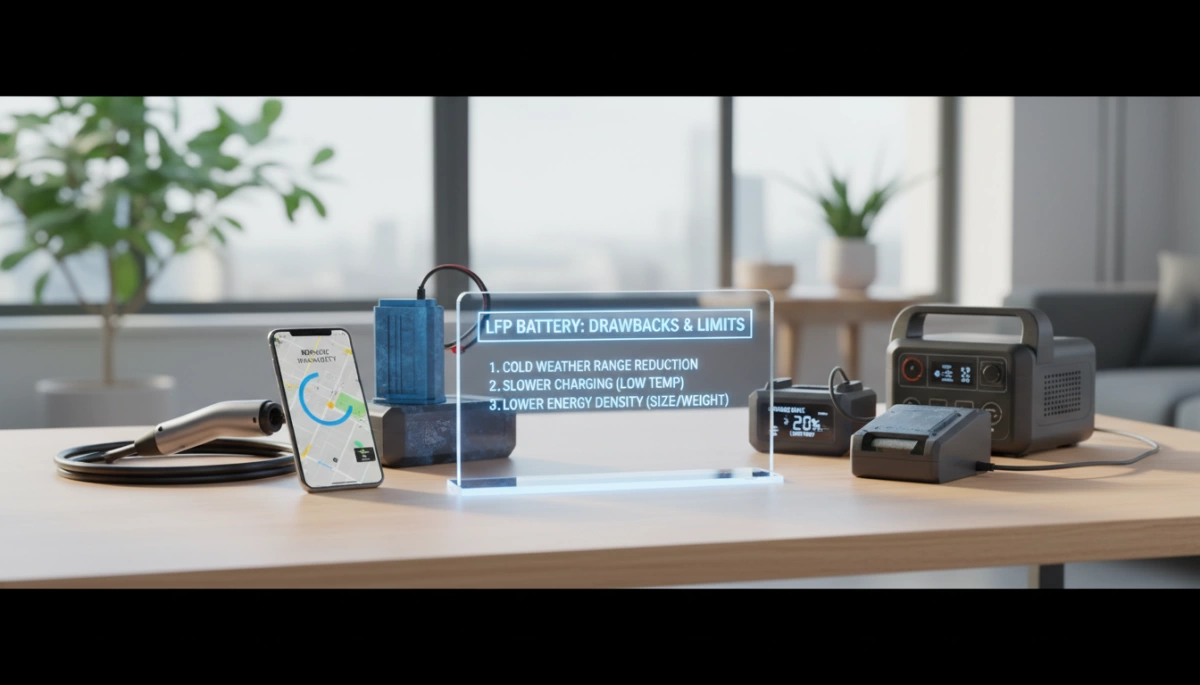
Sebbene la tecnologia LiFePO4 offra una sicurezza senza pari, ci sono specifici compromessi da considerare quando si pianifica il proprio sistema di alimentazione. Comprendere queste limitazioni ti assicura di selezionare la configurazione giusta per il tuo ambiente specifico.
- Costo iniziale più elevato: Il prezzo iniziale per LFP è superiore rispetto alle tradizionali opzioni al piombo-acido. Mentre il ROI a lungo termine è superiore grazie alla durata del ciclo di oltre 6.000 cicli, l'investimento iniziale può essere un ostacolo per i progetti focalizzati sul budget.
- Densità energetica inferiore: In Confronto tra LFP e NMC, LFP è più pesante e ingombrante. Poiché contiene meno energia per libbra rispetto alle chimiche di Nichel Manganese Cobalto, potrebbe non essere la soluzione migliore per applicazioni sensibili al peso come corse elettriche ad alte prestazioni o dispositivi portatili ultra-compatti.
- Prestazioni a basse temperature con LFP: L'efficienza di ricarica diminuisce significativamente quando le temperature scendono sotto lo zero. Mentre il nostro spegnimento del sistema di gestione della batteria (BMS) prevenisce danni interrompendo la ricarica in condizioni di freddo estremo, gli utenti in climi settentrionali spesso devono pianificare scatole di batteria isolate o riscaldatori interni.
- Caratteristiche di tensione: Le celle LFP hanno una tensione nominale di 3,2V, inferiore ai 3,6V o 3,7V presenti in altri tipi di litio-ioni. Ciò richiede configurazioni di stringa diverse per raggiungere i requisiti di sistemi standard di 12V, 24V o 48V.
Nonostante questi fattori, i nostri Batteria 26650 LiFePO4 celle e sistemi modulari a rack sono progettati per mitigare questi svantaggi attraverso un design intelligente. Utilizziamo celle di alta qualità di Grado A e involucri robusti per garantire che l'ingombro sia gestito tramite layout efficienti e impilabili che massimizzano lo spazio disponibile. Per la maggior parte delle applicazioni di accumulo energetico stazionario e configurazioni marine o RV a ciclo profondo, la sicurezza e la durata superano di gran lunga il leggero aumento di dimensioni o il costo iniziale.
Confronto tra batterie LFP, Piombo-Acido e NMC
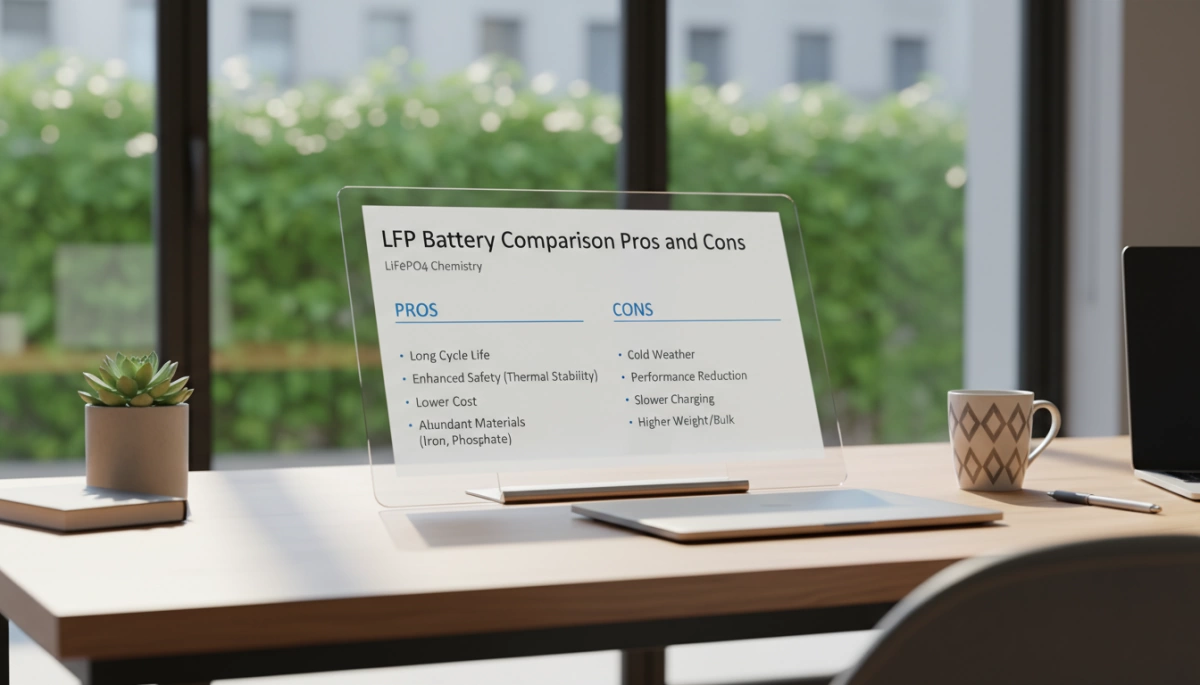
Quando analizziamo i dati, batterie LiFePO4 superano costantemente le tecnologie più vecchie in valore a lungo termine. In un confronto diretto LFP vs piombo-acido le differenze sono evidenti. Le batterie al piombo-acido sono pesanti, richiedono manutenzione costante e consentono di utilizzare circa il 50% della loro capacità. Le nostre soluzioni LFP permettono un profondità di scarica del 100%, offrendo più energia utilizzabile in un pacchetto che pesa il 60% in meno.
In Confronto tra LFP e NMC, l'attenzione si sposta sulla sicurezza e sulla durata. Mentre NMC (Nichel Manganese Cobalto) offre una maggiore densità energetica per gadget compatti, LFP è il vincitore chiaro per lo stoccaggio stazionario e i camper. La struttura chimica di LFP è intrinsecamente stabile, eliminando praticamente il rischio di scoppio termico associato ad altre chimiche di litio. Quando si considera quanto durano le batterie dei camion rispetto alla durata di vita di oltre 10 anni delle nostre celle LFP di Classe A, il costo totale di proprietà per le LFP è significativamente inferiore.
Tabella di confronto di riferimento rapido
| Metri | LFP (LiFePO4) | Piombo-Acido | NMC (Litio) |
|---|---|---|---|
| Durata del ciclo | Oltre 6.000 cicli | 300 – 500 cicli | 1.000 – 2.000 cicli |
| Valutazione di Sicurezza | Ultra-alto | Moderato | Moderato (sensibile al calore) |
| Risparmio di peso | Alto | Nessuno (molto pesante) | Massimo |
| Capacità utilizzabile | 100% DoD | 50% DoD | 80% – 90% DoD |
| Manutenzione | Zero | Alto (ventilazione/acqua) | Zero |
Punti chiave per il tuo sistema
- Sicurezza prima di tutto: LFP è chimicamente incapace di prendere fuoco in condizioni di fallimento normale, rendendola la scelta più sicura per installazioni interne.
- Risparmio a lungo termine: Saresti costretto a sostituire quasi 10 volte una banca di piombo-acido per eguagliare la durata di una unità LFP.
- Ricarica efficiente: LFP accetta una corrente superiore, il che significa che si caricano più velocemente e in modo più efficiente rispetto alle opzioni tradizionali a ciclo profondo.
Applicazioni nel mondo reale: dove l'LFP eccelle
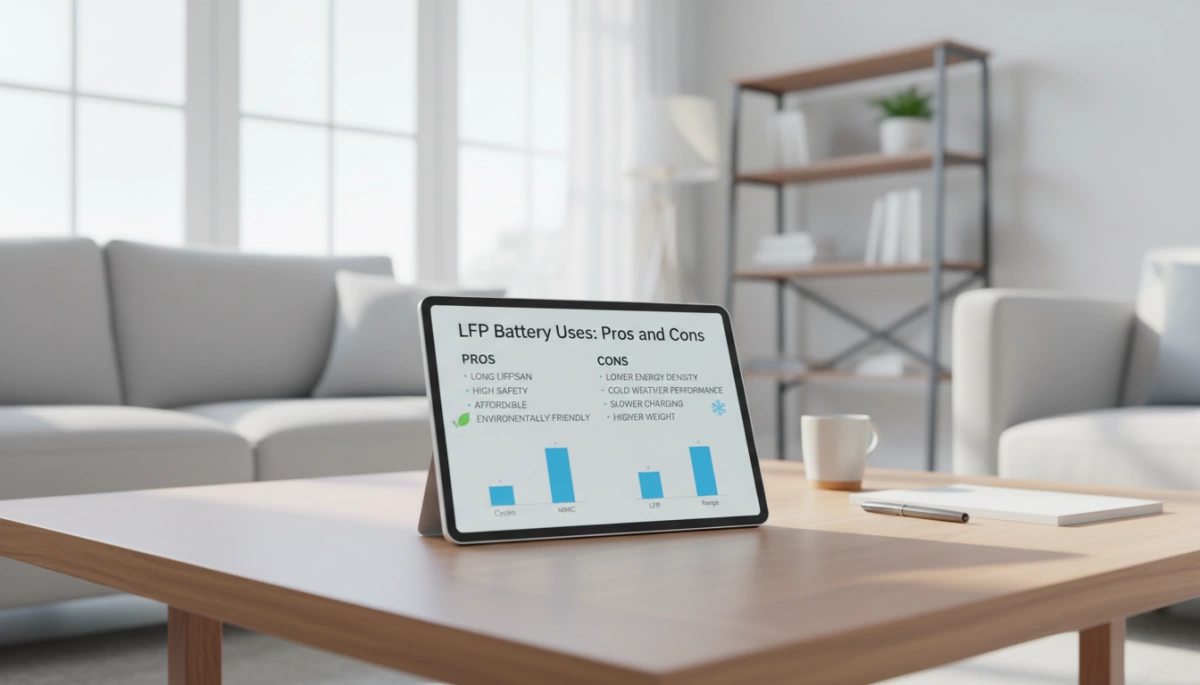
Quando si valutano i pro e i contro delle batterie al Fosfato di Ferro-Litio (LFP), diventa chiaro che questa chimica è costruita per resistenza e sicurezza piuttosto che per risparmi estremi di peso. Per la maggior parte delle esigenze stationary e a ciclo profondo, l'LFP è lo standard di riferimento del settore.
Scenario ideali per la tecnologia LFP
Le batterie LFP dominano in ambienti dove affidabilità e ROI a lungo termine sono gli obiettivi principali. Le nostre configurazioni di celle di Classe A sono specificamente progettate per:
- Batterie di accumulo di energia solare: LFP è la scelta migliore per sistemi di accumulo di energia residenziali e commerciali. Poiché questi sistemi rimangono fissi, la densità energetica leggermente inferiore rispetto all'NMC non è un problema, ma la durata di oltre 6.000 cicli sì.
- Utilizzo a ciclo profondo in camper e marino: Per la vita in viaggio o in mare, le batterie al litio per camper e marine offrono un vantaggio enorme. Gestiscono una profondità di scarica 100%, il che significa che si ottiene ogni ampere-ora pagato senza danneggiare la chimica interna.
- Indipendenza off-grid: In configurazioni remote dove la manutenzione è difficile, la stabilità dell'LFP garantisce che il sistema funzioni per oltre un decennio senza interventi. Scegliere il giusto produttore di batterie LiFePO4 assicura di ottenere la qualità delle celle prismatiche necessaria per questi ambienti esigenti.
Dove l'LFP potrebbe non adattarsi
Sebbene l'LFP sia incredibilmente versatile, ci sono nicchie specifiche dove altre chimiche al litio potrebbero essere preferite:
- Veicoli elettrici ad alte prestazioni: Per veicoli elettrici dove la massima autonomia e il minimo peso sono le uniche priorità, l'NMC (Nichel Manganese Cobalto) viene spesso utilizzato per mantenere leggero il veicolo.
- Elettronica di consumo compatta: Dispositivi come smartphone o laptop ultrasottili richiedono la massima densità energetica possibile, rendendo il LFP un po' troppo ingombrante per quelle specifiche forme.
Per applicazioni pesanti come l'alimentazione di backup e la vita mobile, il profilo di sicurezza e la natura “imposta e dimentica” di batterie al litio a ciclo profondo li rendono l'investimento più logico per il mercato italiano.
Fattori per la scelta delle batterie LFP
Quando valuti i pro e i contro delle batterie al Fosfato di Ferro-Litio (LFP) per la tua configurazione, guarda oltre il prezzo di etichetta. Ci concentriamo sul ROI a lungo termine. Una batteria LiFePO4 di alta qualità con celle di Grado A fornisce un lungo ciclo di vita di oltre 6.000 cicli, il che significa che dura più di un decennio con uso quotidiano. Questo rende il costo totale di proprietà significativamente inferiore rispetto alle alternative al piombo-acido o anche NCM.
L'integrazione è il momento in cui avviene la magia. Hai bisogno di una configurazione con un Sistema di Gestione della Batteria (BMS) intelligente per gestire l'equilibratura e la protezione delle celle. Comprendere cos'è la ricarica ottimizzata della batteria è fondamentale per garantire che la tua batteria LFP rimanga in buona salute, specialmente quando si gestiscono le limitazioni di prestazioni a basse temperature dell'LFP. Utilizziamo design modulari—come rack server o unità da parete—per colmare il divario di densità energetica, rendendoli perfetti per le batterie di accumulo di energia solare.
Tieni presente questi fattori per una transizione di successo:
- Compatibilità del sistema: Assicurati che il tuo inverter comunichi efficacemente con la batteria tramite protocolli RS485 o CAN.
- Mappatura della tensione: Conoscere la relazione tra tensione della batteria al litio e capacità di potenza è fondamentale per monitorare accuratamente i tuoi livelli di energia tramite schermi LCD.
- Scalabilità: Scegli unità LFP modulari che ti permettano di impilare o collegare batterie in parallelo man mano che crescono le tue esigenze di energia.
- Standard di sicurezza: Dovresti sempre dare priorità alle celle prismatiche di livello 1 prive di cobalto per eliminare il rischio di thermal runaway e garantire un'approvvigionamento etico.
Il mercato si muove rapidamente. Mentre le LFP sono state tradizionalmente più ingombranti, le tendenze emergenti nella produzione di celle stanno inserendo più potenza in spazi più ridotti. Per l'uso residenziale solare, camper e marine a ciclo profondo, la stabilità e la sicurezza delle LFP ora superano di gran lunga il maggiore investimento iniziale. Prestazioni costanti e zero manutenzione le rendono la scelta più affidabile per i proprietari di case e gli appassionati off-grid.





 Italian
  English
  German
  Spanish
  French
  Polish
  Russian
  Thai
Thai  Turkish
  Japanese
  Korean