
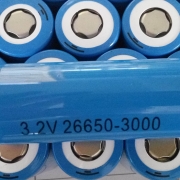
How to Reactivate a Dead 26650 Lithium Battery
There are a few ways to reactivate a dead 26650 lithium battery. First, make a USB cable with a smaller end to connect the battery to a computer. You can make your own or purchase a cable at an IT store. The male USB end should plug into your computer. The voltage coming out of the USB port should be 5V. Plug in the dead battery and wait a minute. Afterward, check the terminal voltage of the dead battery with a multimeter.
You can also try pulling the positive terminal cover of the battery and push it into the negative terminal. This will release a gas that will help you to revive the battery. This will make it possible to use the battery further. Be aware that this method can damage the CID. It is also dangerous to reactivate a lithium ion cell, as it can explode without warning.
In addition, the dead battery must be monitored to prevent further damage. If it is hot, it is not good. It is likely to be too discharged and degraded. This can cause the battery to explode. In this case, you should immediately dispose of the battery and contact your retailer. Always remember to recycle any battery with this danger level. While this method may work, you should always do it under supervision.
Besides the manual, you can also try to recharge the battery by following a certain process. It might take a few minutes, but it is still worth a try. If you follow the instructions in your charger’s manual, you should be able to recharge the battery. This method does not work for every case, but it will usually work for the majority of cases. However, it is worth a try.



 English
  German
  Spanish
  French
  Italian
  Polish
  Russian
  Thai
Thai  Turkish
  Japanese
  Korean