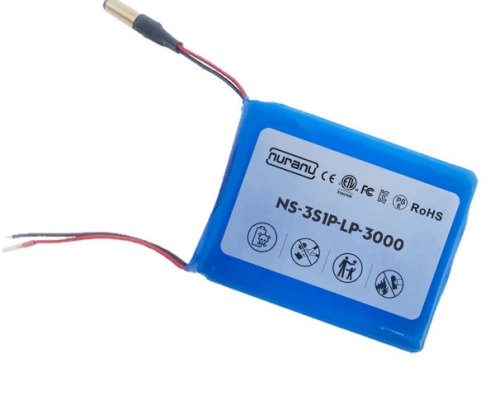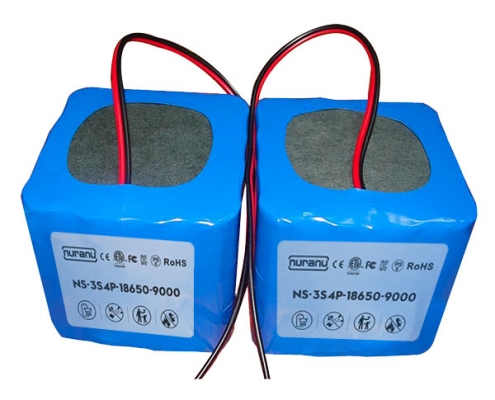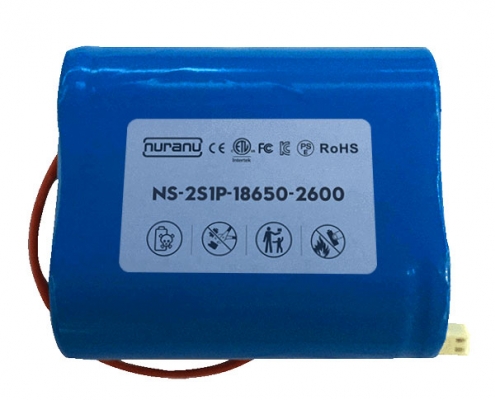
Eco-Friendly LiFePO4 Batteries for Environmental Monitoring & Protection

Sustainable, Low-Impact Battery Solutions for Air Quality, Water Monitoring, Weather Stations & Green Technology

The most environmentally friendly battery chemistry for remote monitoring and energy storage — LiFePO4 delivers the lowest environmental impact of battery production and disposal among all rechargeable lithium technologies. No toxic heavy metals, no cobalt, 100% recyclable. Outperforms alkaline battery environmental impact, lead-acid battery environmental impact, and NMC lithium ion battery environmental impact across the full product life cycle.

Non-toxic, 100% recyclable LiFePO4 — the most environmentally friendly battery chemistry
Long standby life — reduces battery waste and environmental impact of battery disposal
Solar-compatible — designed for off-grid environmental sensors and renewable energy systems
-40°C to 70°C — reliable in extreme-environment battery testing conditions

Why Choose Our Environmental Batteries?

LiFePO4 delivers the best environmental impact profile of any rechargeable battery — combining the lowest lithium battery environmental impact with the reliability and longevity demanded by remote environmental monitoring applications

LiFePO4 vs. Other Battery Technologies — Environmental Impact Comparison

🏆

vs. Lead-Acid Batteries

Lead-acid battery environmental impact: toxic lead, sulfuric acid, shorter life. LiFePO4: 3–5× longer life, no toxic metals — dramatically lower battery disposal environmental impact.

vs. Alkaline Batteries

Alkaline battery environmental impact includes KOH electrolyte disposal risks. Environmental risks of KOH electrolyte in alkaline batteries increase with improper disposal. LiFePO4: zero KOH, rechargeable.

🌿

vs. NMC/NCA Lithium

NMC batteries require cobalt and nickel mining — cobalt batteries environmental impact is significant. LiFePO4 uses no cobalt, no nickel — the most environmentally friendly lithium battery for energy storage.

♻️

vs. Disposable Batteries

Disposable batteries environmental impact compounds with every replacement. LiFePO4 delivers 2000–5000 cycles — one battery replacing thousands of disposables, slashing environmental cost of battery production per cycle.

🌿

Truly Eco-Friendly Chemistry

Non-toxic materials, no heavy metals, fully recyclable — the lowest lithium battery environmental impact of any mainstream rechargeable technology. RoHS and REACH compliant, with no environmental risks from electrolyte disposal unlike alkaline and lead-acid alternatives. The answer to "are lithium batteries environmentally friendly?" — LiFePO4 is the clear yes.

🔋

Long-Term Reliability — Reduced Battery Waste

5–10 years operation in harsh outdoor environments with 3000+ charge cycles. Longer battery life directly reduces the environmental impact of battery disposal — fewer replacements mean lower battery manufacturing environmental impact over the monitoring system's total life. The most effective way to reduce battery environmental impact is to need fewer batteries.

🛠️

Low Maintenance for Remote Monitoring

Ideal for remote, hard-to-access environmental monitoring locations — from river water quality buoys to mountain weather stations. Ultra-low self-discharge (<2%/month) reduces service visits, lowering the carbon footprint of battery maintenance logistics for environmental battery-powered sensor deployments.

☀️

Solar Integration — Maximum Renewable Energy Capture

Optimized for solar-powered environmental sensors and off-grid environmental battery systems. MPPT/PWM compatible with high charge efficiency — maximizing solar energy storage in environmental monitoring stations. The foundation of truly sustainable, battery-powered environmental sensors with zero-emissions operation throughout deployment.

Environmental Battery Configurations

Purpose-built LiFePO4 battery packs for environmental monitoring equipment — designed to minimize battery environmental impact while maximizing runtime and reliability in outdoor, off-grid, and solar-powered applications

12V 10Ah Air Quality Sensor

Air Quality Sensor Environmental Battery
  • Application: PM2.5, CO2, NOx, VOC monitoring stations — battery for environmental sensors in urban and industrial air quality networks
  • Voltage: 12V (4S LiFePO4)
  • Capacity: 10Ah
  • Backup: 2–3 rainy days autonomous
  • Environmental impact: Zero KOH, no heavy metals — lower battery environmental impact than SLA alternatives
Popular

12V 20Ah Weather Station

Weather Station Environmental Battery
  • Application: Temperature, humidity, wind, rain sensors — solar-charged battery for environmental monitoring stations
  • Voltage: 12V (4S)
  • Capacity: 20Ah
  • Backup: 3–5 rainy days autonomous
  • Battery environmental testing: Passed environmental chamber for battery testing (-40°C to 70°C)

12V 40Ah Water Quality Monitor

Water Quality Monitor Environmental Battery
  • Application: River, lake, ocean monitoring buoys — submersible battery-powered environmental sensors for water quality assessment
  • Voltage: 12V (4S)
  • Capacity: 40Ah
  • Backup: 5–7 rainy days autonomous
  • Protection: IP67/IP68 rated — environmental battery protection against submersion

24V 30Ah Environmental Station

Multi-Parameter Environmental Monitoring Battery
  • Application: Multi-parameter monitoring, data logging, battery energy storage environmental applications
  • Voltage: 24V (8S)
  • Capacity: 30Ah
  • Backup: 4–6 rainy days autonomous
  • Compliance: RoHS, REACH, CE, UN38.3 — battery environmental compliance certified

Custom Environmental Configuration

Custom OEM Environmental Battery
  • Voltage: Custom (12V / 24V / 48V)
  • Capacity: 5–100Ah
  • Features: Solar-powered, ruggedized, IP67/IP68 enclosures
  • Environmental compliance: Custom battery pack environmental protection designs for any monitoring application
  • Testing: Environmental test chamber battery validation — automotive battery environmental testing standards available

Customization Options for Environmental Batteries

Every environmental monitoring deployment has unique power requirements. We customize battery packs for maximum environmental performance — minimizing battery environmental impact through long life, solar integration, and sustainable materials.

☀️

Solar Integration

MPPT controller compatibility, solar charge optimization for off-grid environmental battery systems. Enables zero-emissions operation — the environmental benefits of lithium-ion batteries are maximized when paired with renewable energy.

💧

Weatherproof Enclosures

IP67 rated, UV-resistant, corrosion-proof battery pack environmental protection. Validated through environmental chamber for battery testing — battery environmental reliability test chamber certified for submersion and extreme weather.

🔋

Low-Power Design

Ultra-low self-discharge (<2%/month) for long deployment without servicing. Reduces battery environmental impact by minimizing the number of batteries consumed per monitoring site per year.

📊

Data Logging Integration

BMS integration with sensor data systems — enabling real-time battery environmental monitoring alongside environmental parameter measurement. Battery energy environmental reporting via RS485 or IoT protocols.

📡

Remote Battery Monitoring

Cellular/LoRa battery status reporting — enabling remote battery environmental reliability tracking for unmanned monitoring stations. Reduces service visit frequency and associated carbon emissions.

🌡️

Extreme Temperature Operation

Arctic to desert battery performance (-40°C to 70°C) — validated through environmental battery test chamber and environmental chambers for battery testing. Ev battery environmental test standards applied to all extreme-climate designs.

Why LiFePO4 is the Most Environmentally Friendly Battery for Monitoring Applications?

Understanding the environmental impact of batteries is essential for responsible environmental monitoring program design. LiFePO4 chemistry minimizes battery environmental impact at every stage — from production through disposal — while delivering the reliability and longevity required for long-term environmental data collection.

🌿

Lowest Eco Impact Chemistry

No toxic lead, cobalt, or heavy metals. LFP battery environmental impact is the lowest of any mainstream lithium chemistry — answering "are lithium batteries environmentally friendly?" with a clear yes for LiFePO4.

🔄

Long Life Reduces Battery Waste

3000+ cycles and 10+ year float life reduces battery waste and environmental impact of battery disposal. Fewer replacements = lower environmental cost of battery production per data point collected.

🌡️

Extreme Environment Resilience

Reliable in -40°C to 70°C conditions — validated through environmental chamber battery testing and battery environmental test chamber protocols. Maintains performance where alkaline and lead-acid batteries fail.

☀️

Solar Charge Efficiency

Maximizes renewable energy capture for off-grid sensors. The environmental benefits of next-generation battery storage systems are fully realized when LiFePO4 is paired with solar — enabling carbon-neutral monitoring.

♻️

100% Recyclable Materials

Environmentally friendly battery technology with full recyclability — supporting circular economy and environmental compliance battery recycling programs. Battery recycling environmental impact is minimal compared to disposal of alkaline or lead-acid alternatives.

Technical Specifications

Key performance metrics for our environmental monitoring battery solutions — all validated through environmental battery test chamber and battery environmental reliability test chamber protocols

ParameterEnvironmental Battery Specification
Voltage12V / 24V / Custom (5V battery for environmental sensors also available)
Capacity5Ah – 100Ah (battery-powered environmental sensors options)
Operating Temperature-40°C to 70°C (extreme environmental battery test chamber validated)
Weatherproof RatingIP65 / IP67 / IP68 — battery pack environmental protection for all deployment environments
Self-Discharge<2% per month — minimizes battery environmental issues from frequent replacement
Cycle Life>3000 cycles — dramatically lower environmental impact of rechargeable batteries vs. disposables
Solar ChargeMPPT/PWM compatible — optimized for environmental batteries in renewable energy systems
Environmental ComplianceRoHS, REACH, CE, UN38.3 — full battery environmental compliance for global markets
Environmental ImpactNo heavy metals, no KOH electrolyte — lowest battery environmental impact of any rechargeable chemistry
Testing StandardsEnvironmental chamber for battery testing, battery environmental reliability test chamber, automotive battery environmental testing protocols

Environmental Battery Applications

Eco-friendly batteries for environmental monitoring, environmental protection, and renewable energy applications — from air quality and water quality sensors to wildlife tracking, soil monitoring, and battery energy storage environmental systems

Air Quality Monitoring Environmental Battery

Air Quality Monitoring

PM2.5, CO2, NOx, VOC sensor stations — battery for environmental sensors measuring the very pollutants associated with battery production and EV battery environmental impact debates. Solar-charged LiFePO4 for continuous, low-maintenance air quality data collection.

Water Quality Monitoring Environmental Battery

Water Quality Monitoring

Rivers, lakes, coastal waters, and aquaculture — IP67/IP68 submersible battery-powered environmental sensors. Monitoring for alkaline battery environmental impact including KOH electrolyte environmental risks in waterways near disposal sites.

Weather Station Solar Battery

Weather Stations

Meteorological data collection and climate research — solar-charged environmental batteries for remote weather monitoring. Battery environmental temperature range of -40°C to 70°C ensures year-round reliability from Arctic to desert deployments.

Soil Agriculture Monitoring Battery

Soil & Agriculture Monitoring

Soil moisture, pH, and nutrient sensor networks — battery-powered environmental sensors for precision agriculture and soil conservation. Environmentally friendly battery technology that doesn't introduce toxic materials into monitored agricultural environments.

Wildlife Tracking Camera Battery

Wildlife Tracking & Conservation

Remote wildlife monitoring cameras and conservation sensor networks. LiFePO4 batteries that are truly environmentally friendly — no toxic material risk in protected wildlife habitats, with solar integration for zero-footprint operation in sensitive ecosystems.

Renewable Energy Battery Storage System

Renewable Energy & BESS

Off-grid solar/wind hybrid systems and battery energy storage environmental applications. Environmental benefits of next-generation battery storage systems are maximized with LiFePO4 — the most environmentally friendly battery for stationary energy storage, with lower environmental cost of EV batteries and grid storage vs. fossil fuels across the full life cycle.

Solar Integration Guide for Environmental Monitoring Batteries

Maximizing the environmental benefits of lithium-ion batteries in environmental monitoring through optimized solar power system design

Sizing battery for solar-powered environmental sensors

Calculate daily energy consumption of your environmental sensors and add 20–50% buffer for cloudy days. Consider the required number of autonomous days based on location. Properly sized battery systems minimize the environmental impact of battery production per monitoring cycle — fewer replacements, lower total environmental cost.

MPPT vs. PWM controller selection for environmental battery systems

MPPT controllers offer 20–30% better efficiency in cold climates — important for reducing battery storage environmental impact by maximizing solar energy capture. PWM is simpler and more cost-effective for small, warm-climate environmental monitoring systems. Both are compatible with our LiFePO4 environmental batteries.

Calculating backup days for cloudy periods

Size environmental batteries for 3–7 days of autonomy depending on weather patterns and monitoring criticality. Longer autonomous operation reduces the environmental impact of battery maintenance logistics — fewer service vehicle trips to remote environmental monitoring locations.

Optimizing solar charge efficiency to minimize environmental impact

Properly sized solar panels paired with LiFePO4 batteries maximize energy storage efficiency — directly reducing the environmental cost of ev batteries and grid storage by demonstrating the environmental benefits of battery energy storage systems in real-world applications.

Seasonal sun hour and battery environmental temperature considerations

Adjust battery capacity and solar panel sizing for seasonal sunlight variation. Our batteries are validated through environmental chamber for battery testing across the full -40°C to 70°C operating range — ensuring reliable environmental data collection year-round regardless of battery environmental temperature extremes.

Quality, Environmental Testing & Certifications

Every environmental battery undergoes rigorous battery environmental testing — including environmental chamber for battery testing, battery environmental reliability test chamber validation, and full environmental compliance certification

Eco-Friendly Material Sourcing — Minimizing Lithium Battery Environmental Impact

  • ✓ Non-toxic LiFePO4 chemistry — no environmental risks of KOH electrolyte unlike alkaline batteries
  • ✓ No lead, cobalt, or heavy metals — dramatically lower environmental impact of lithium battery vs. NMC and NCA
  • ✓ 100% recyclable materials — battery recycling environmental benefits fully realized at end-of-life
  • ✓ RoHS & REACH compliant — battery environmental compliance for EU and global markets
  • ✓ Environmentally friendly battery technology — validated against what is the most environmentally friendly battery standard benchmarks

Extreme Temperature Testing — Environmental Chamber for Battery Testing

  • ✓ Arctic testing: -40°C operation verified in environmental battery test chamber
  • ✓ Desert testing: 70°C heat tolerance — battery environmental temperature range exceeded
  • ✓ Thermal cycling validation in battery environmental reliability test chamber
  • ✓ 12-month field testing across real environmental monitoring deployments
  • ✓ Automotive battery environmental testing protocols applied — ev battery environmental test standards

IP67/IP68 Environmental Battery Protection Validation

  • ✓ IP67 immersion testing (30min @ 1m) — battery pack environmental protection for water monitoring buoys
  • ✓ IP68 continuous submersion — submersible battery-powered environmental sensors
  • ✓ UV resistance testing — outdoor battery environmental safety for solar-exposed installations
  • ✓ Salt spray corrosion testing — battery environmental protection for coastal monitoring stations
  • ✓ Battery test fixtures for environmental chambers — custom fixture design available for OEM validation

Battery Environmental Compliance — RoHS, REACH, CE, UN38.3

  • ✓ RoHS — Restriction of Hazardous Substances: battery environmental hazards eliminated
  • ✓ REACH — Chemical Registration EU: battery environmental responsibility for European markets
  • ✓ CE Marking — European Conformity for battery environmental protection standards
  • ✓ UN38.3 — Transport Certification: battery environmental safety for international shipping
  • ✓ Environmental compliance battery recycling — end-of-life program available for all supplied batteries

Environmental Battery FAQ

Expert answers to common questions about the environmental impact of batteries, BESS design, battery chemistry selection, and sustainable energy storage — from LiFePO4 environmental impact to BESS fire safety and recycling compliance

LiFePO4 (lithium iron phosphate) is the most environmentally friendly lithium battery chemistry for energy storage. It contains no cobalt, no nickel, and no heavy metals — avoiding the most serious environmental impact of lithium battery production. Compared to NMC, NCA, lead-acid, and alkaline batteries, LiFePO4 delivers the best environmental impact profile across its full life cycle: lower mining impact, longer service life (2000–5000 cycles), no KOH electrolyte disposal risk, and 100% recyclable materials. Sodium-ion batteries are emerging as another promising low-environmental-impact chemistry for stationary storage.
The environmental impact of lithium batteries spans three phases. Production: lithium mining and battery manufacturing environmental impact includes water use, land disturbance, and carbon emissions — though manufacturing lithium-ion batteries' environmental impact is falling rapidly with scale. Operation: lithium-ion batteries in electric vehicles and energy storage displace fossil fuels, delivering net environmental benefits. End-of-life: lithium battery disposal environmental impact is minimized through recycling programs that recover lithium, iron, and phosphate. LFP battery environmental impact compares favorably to lead-acid and alkaline battery environmental impact across all three phases.
For stationary energy storage, the most credible alternatives to conventional lithium-ion include: LiFePO4 (lowest lithium battery environmental impact, no cobalt), sodium-ion batteries (sodium-ion battery environmental impact is very low — abundant materials, no lithium mining), flow batteries (vanadium or iron-air — scalable, long-duration, low fire risk), and nickel-metal hydride batteries (NiMH battery environmental impact is better than NiCd but heavier than lithium). For most applications, LiFePO4 remains the optimal balance of environmental performance, cycle life, safety, and cost.
Emerging battery technologies with potential to reduce environmental problems with batteries include: solid-state batteries (solid-state battery environmental impact is lower — no liquid electrolyte, higher energy density), sodium-ion batteries (sodium replaces lithium — lower environmental impact of mining), iron-air batteries (iron, air, and water — extremely low environmental cost), and flow batteries for grid scale. Are solid-state batteries more environmentally friendly? Likely yes — but commercialization is still years away. LiFePO4 remains the most environmentally friendly battery available at scale today.
The main downsides of battery energy storage environmental systems (BESS) include: upfront capital cost (though falling rapidly), fire and thermal runaway risk requiring active safety systems, the environmental cost of battery production at scale, land use for large installations, and end-of-life battery recycling environmental impact and compliance requirements. The spiralling environmental cost of our lithium battery addiction is a real concern — addressed through LiFePO4 chemistry selection, extended battery life design, and robust recycling programs. These trade-offs must be weighed against the significant environmental benefits of replacing fossil fuel peaker plants.
BESS fire risk is primarily driven by thermal runaway — a chain reaction within battery cells triggered by overcharge, physical damage, manufacturing defects, or extreme heat. The Moss Landing lithium battery storage facility fire raises environmental concerns that are driving the industry toward inherently safer chemistries. LiFePO4 is dramatically safer than NMC — its oxygen release temperature is far higher, making thermal runaway initiation much harder. Fire risk reduction requires: LiFePO4 chemistry selection, multi-layer BMS protection, active fire suppression systems, spacing between battery modules, and battery environmental temperature management.
A well-designed LiFePO4 BESS typically delivers 10–15 years of service life with 3000–5000 charge cycles at 80% depth of discharge. Service life directly determines the environmental cost of battery production per unit of energy stored — longer life dramatically lowers the environmental impact of batteries on a per-kWh basis. Calendar aging, cycling intensity, and battery environmental temperature are the primary factors determining actual BESS service life. Our BESS designs are validated through battery environmental test chamber protocols to confirm long-term performance under real-world conditions.
Depth of discharge (DOD): reducing DOD from 100% to 80% roughly doubles cycle life for most lithium chemistries — a key factor in minimizing battery storage environmental impact by reducing replacement frequency. Temperature: operating at higher battery environmental temperatures accelerates aging; every 10°C increase roughly halves calendar life. Cycling rate: higher charge/discharge rates generate more heat and stress. Environmental chamber for battery testing allows us to model these effects accurately — our BMS manages DOD limits and temperature to optimize BESS lifespan in real deployments.
A modern BESS safety architecture includes: multi-layer BMS protection (overcharge, over-discharge, overcurrent, short circuit, temperature cutoff), cell-level thermal monitoring via battery environmental test fixtures, active fire suppression (clean agent or water mist), gas detection (hydrogen, CO), battery environmental temperature management (HVAC or liquid cooling), physical separation between modules, and comprehensive monitoring and alarm systems. Battery environmental safety requirements are increasingly codified in NFPA 855, UL 9540, and IEC 62619 — we support compliance with all major international BESS safety standards.
Environmental impact comparison across chemistries: lead-acid battery environmental impact is highest due to toxic lead and sulfuric acid — lead acid battery vs lithium ion environmental impact clearly favors lithium. Alkaline battery environmental impact includes KOH electrolyte environmental risks. Nickel-cadmium battery environmental impact includes toxic cadmium. Nickel-metal hydride battery environmental impact is better than NiCd but heavier than lithium. NMC/NCA lithium: significant cobalt batteries environmental impact. LiFePO4: most environmentally friendly battery for energy storage — lowest mining impact, no toxic metals, longest life, best safety profile. Sodium-ion: promising emerging low-impact chemistry for future applications.
Battery recycling environmental impact reduction is significant — recovering lithium, iron, and phosphate from LiFePO4 batteries reduces the environmental impact of lithium mining and battery production for future generations. Environmental compliance battery recycling is now mandatory in the EU (Battery Regulation 2023) and increasingly regulated globally. Battery recycling environmental benefits include: reduced virgin material mining, lower carbon emissions per battery produced, and diversion of battery waste environmental impact from landfill. We provide battery environmental compliance documentation and end-of-life recycling guidance for all supplied batteries. Converting recovered materials back into new battery production closes the circular economy loop.
Yes. Long-duration energy storage (LDES) technologies — including flow batteries, iron-air batteries, gravity storage, and hydrogen — address limitations of lithium-based BESS for multi-day grid storage. They offer lower environmental cost per MWh at long durations and avoid the environmental impact of ev battery production at large scale. However, for durations under 8 hours, LiFePO4 BESS remains the most cost-effective and environmentally friendly battery energy storage solution. A combined approach — LiFePO4 for short-duration storage, LDES for multi-day buffering — optimizes both economics and environmental performance for renewable energy systems.
Key selection criteria: required duration (2–8 hours favors LiFePO4; longer favors flow or iron-air), cycle frequency (daily cycling favors LiFePO4's 3000–5000 cycle life), safety requirements (LiFePO4 has the best safety profile among lithium chemistries), environmental impact priorities (LFP battery environmental impact is the lowest lithium option), total cost of ownership (LiFePO4 is increasingly cost-competitive with VRLA and NMC on a 10-year TCO basis), and end-of-life recyclability. For most renewable energy and grid-tied BESS projects under 8 hours, LiFePO4 is the optimal choice on combined performance, safety, and environmental criteria.
Yes. We offer full OEM and ODM battery solutions for BESS, renewable energy storage, and environmental monitoring applications. Custom designs include: voltage (12V–480V+), capacity (5Ah–500Ah per string), scalable parallel battery bank configurations, outdoor IP65–IP68 enclosures, integrated BMS with SCADA/SNMP/Modbus interfaces, solar charge controller integration, and battery environmental compliance documentation. Battery pack environmental protection designs are available from single-sensor batteries to utility-scale BESS. Contact our engineering team for BESS sizing, environmental impact assessment, and battery environmental safety consultation.
Key BESS certifications and battery environmental compliance standards include: UL 9540 (BESS system safety), UL 9540A (thermal runaway fire testing), IEC 62619 (safety requirements for stationary lithium batteries), NFPA 855 (installation standard for ESS), CE/RoHS/REACH (EU environmental compliance battery requirements), UN38.3 (transport safety), and IEC 62933 (grid energy storage system standards). Environmental compliance EV battery recycling regulations (EU Battery Regulation 2023) also apply to large-scale BESS. We provide full certification documentation and support customers through compliance testing and battery environmental reliability test chamber validation.
Thermal runaway management in large BESS begins with chemistry selection — LiFePO4 has a thermal runaway onset temperature above 270°C vs. ~150°C for NMC, providing a much wider safety margin. System-level mitigation includes: cell-level voltage and temperature monitoring via battery environmental test fixtures, inter-cell thermal barriers, BMS protection layer (overcharge, temperature cutoff, current limiting), module-level fire suppression, gas detection, and HVAC battery environmental temperature control. We apply automotive battery environmental testing protocols and battery environmental reliability test chamber validation to all BESS designs before deployment.
Recommended BESS monitoring and protection architecture: multi-cell BMS with individual cell voltage, temperature, and SOC/SOH monitoring; real-time remote monitoring via SCADA, Modbus, SNMP, or proprietary platforms; gas sensors (H2, CO, VOC) for early thermal runaway detection; active fire suppression (clean agent or water mist) per NFPA 855; battery environmental temperature management (HVAC or liquid cooling); battery energy environmental reporting for regulatory compliance; and predictive maintenance analytics. Battery test fixtures for environmental chambers enable ongoing validation of safety system performance throughout BESS service life.
Quality assurance for large-scale orders includes: Grade A cells only from certified manufacturers with full lot traceability, 100% capacity and internal resistance testing, BMS function validation, battery environmental testing in environmental chambers for battery testing, voltage matching and cell balancing verification, and safety certification before shipment. ISO 9001-compliant production with full batch documentation — supporting environmental compliance battery recycling programs and end-of-life material recovery. Battery production environmental stewardship includes supply chain audits for responsible mining and manufacturing.
Pre-shipment testing for every battery and BESS order includes: full capacity discharge at rated C-rate, internal resistance measurement, cell voltage uniformity check, BMS protection function testing (overcharge, over-discharge, short circuit, temperature cutoff), battery environmental reliability test chamber validation for temperature range, communication protocol verification (SCADA, Modbus, SNMP), physical inspection, and IP rating verification for weatherproof environmental batteries. Environmental chamber for battery testing protocols are applied to all outdoor and extreme-temperature designs. Complete test reports are provided for all OEM and project orders.
We provide a 5-year product warranty and dedicated B2B technical support including: battery sizing and environmental impact assessment for monitoring and BESS projects, solar system integration design, BMS configuration and SCADA integration, battery environmental compliance documentation for regulatory submissions, on-site commissioning support for large BESS, ongoing remote monitoring and diagnostics, and end-of-life battery recycling guidance for battery environmental compliance. Our engineering team supports the full project lifecycle — from initial environmental battery selection through operational support and sustainable end-of-life management.
The Most Environmentally Friendly Battery for Your Application

LiFePO4 — the lowest environmental impact battery for monitoring, storage, and renewable energy. Custom designs, OEM supply, and full environmental compliance support.

Ready to Power Your Next Product?

Let’s discuss your application requirements and explore how our battery solutions can accelerate your time to market.

Contact Form Demo
2012- 2023 © Copyright - nuranu.com | All Rights Reserved
en_USEnglish