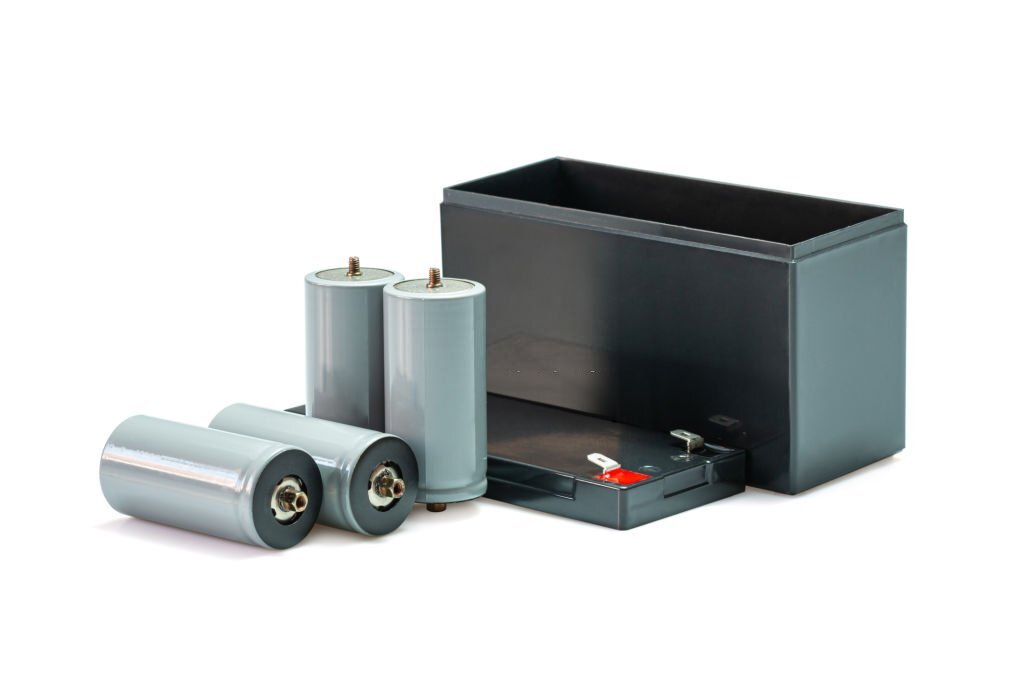
Lithium Ion vs. Lithium Polymer Batteries

Lithium Ion vs. Lithium Polymer Batteries: Which One Is Better?

With the growth of the battery-powered device market, understanding the differences between different types of batteries is becoming increasingly important. Lithium-ion (Li-ion) and lithium polymer (LiPo) batteries are two popular types of batteries used in many devices today. This article will explore the differences between Li-ion and LiPo batteries and discuss which is better for various applications.

Lithium Ion vs. Lithium Polymer Batteries

What is a Lithium Ion battery?

A lithium-ion battery is a rechargeable type with a high energy density and an excellent power-to-weight ratio. It is used in everyday items such as laptop computers, cell phones, digital cameras, and other consumer electronics. This type of battery has become increasingly popular due to its ability to hold a charge for extended periods than traditional batteries.

Lithium-ion batteries contain two electrodes: the anode, which stores lithium ions during charging, and the cathode, which releases them when discharging or using the stored energy. When it comes to charging, lithium ions are transferred from the anode to the cathode side through a separator between them and then back again when it’s time to discharge or use the stored energy.

What is Lithium Polymer Battery?

Lithium polymer batteries are a type of rechargeable battery technology that is becoming increasingly popular in consumer devices. The most common application is in mobile phones, laptops, and other small electronic items. Lithium polymer batteries offer several advantages over traditional lithium-ion (Li-Ion) batteries, including improved safety, lighter weight, and more flexible packaging options.

Lithium polymer cells are constructed with a thin, lightweight plastic pouch that contains the electrolyte material and provides additional structural strength to the cell. This construction makes them much safer than Li-Ion cells as their design prevents overheating or short-circuiting. Additionally, they can be designed into various shapes and sizes to fit even the tightest of space requirements.

Pros of Li-ion Batteries

One significant benefit is their high energy density and small size. Compared to other rechargeable battery technologies, Li-ion cells have higher power densities, meaning they can pack more energy into smaller packages. That makes Li-ion batteries perfect for mobile devices and other equipment that need long-lasting power sources without taking up too much space. 

Additionally, Li-ion batteries require fewer maintenance cycles than traditional lead acid or nickel-based models. They don’t need special charging requirements or regular topping off with electrolytes as some older battery technologies do.

Compared to Li-poly Batteries

One advantage of Li-ion over LiPo is cost. Typically, Li-ion batteries are cheaper than their LiPo counterparts because they don’t require additional protection circuitry and other components. In addition, due to their more straightforward construction, most Li-ion cells can be quickly charged using either gradual or rapid charging methods with no risk of damage from overcharging. That makes them ideal for high-throughput applications where many battery packs must be charged simultaneously.

Pros of Li-poly Batteries

Li-poly batteries can provide longer runtime than other types of rechargeable batteries, making them great for use in toys and remote control cars. They also supply more consistent voltage levels throughout the battery’s run time, giving the device a more uniform power output no matter how much you’ve used it. 

In addition to their efficiency and long runtimes, li-poly cells are also lightweight and small compared to other rechargeable battery alternatives. This makes them ideal for powering small electronic devices needing portability or larger applications with limited space. Furthermore, li-poly cells hold their charge very well when not in use – you can be sure that your device will still have plenty of power when you pick it up after some time.

Compared to Li-ion Batteries

First and foremost, Li-Poly batteries can store more energy in less space than their Lithium Ion counterparts. This makes them well suited for small-scale electronics such as cell phones or laptops, where size and weight may be a concern. Another advantage is that these batteries can provide higher discharge rates, enabling faster charging and more power when needed. 

In addition, Li-Poly batteries tend to have longer life cycles than traditional Lithium Ion cells meaning they can last longer with repeated charges and discharges over time without losing too much capacity.

Cons of Li-ion Batteries

One con to using Li-ion batteries is that they contain a flammable electrolyte, which can cause a safety hazard when not properly handled or stored. They also require particular charging practices to prevent damage and ensure long battery life. If these procedures are not followed correctly, Li-ion batteries can become overcharged or short circuit, leading to fire hazards or other electrical issues.

Another downside of Li-ion batteries is that they have limited energy storage capacity and tend to degrade over time.

Cons of Li-poly Batteries

First, Li-poly batteries have a shorter lifespan than traditional alkaline or lead-acid batteries. Although they can usually be recharged hundreds of times without diminishing performance, prolonged use may eventually cause them to fail sooner than expected. Additionally, Li-poly batteries require unique charging methods. They often feature built-in safety mechanisms, making swapping out regular alkaline batteries for Li-poly ones difficult or impossible. 

The most significant disadvantage of Li-poly batteries is their cost. They are significantly more expensive than other types of rechargeable batteries on the market due to their high capacity and longevity, making them unaffordable for some users or applications. Moreover, they require special chargers to ensure a safe charge cycle which can also add extra cost to the equation.

In addition, Li-poly batteries require extra care during use and storage to ensure their safety and performance. They must be correctly discharged before recharging; otherwise, it could lead to overcharging or misbalance between cells which may damage the battery permanently.

Cost Comparison

Regarding cost, Li-ion batteries are generally more affordable than Li-poly batteries. Despite this, both types of batteries are still costly compared to other types. When looking at their power capacity, Li-ion batteries offer a higher density and more power than Li-poly batteries. With a lower self-discharge rate, Li-poly batteries can store energy for longer than Li-ion batteries. Ultimately, there is no real competition between the two batteries, and choosing the battery suited for a particular application is best.

Applications Comparison

Lithium-ion and lithium-polymer batteries are two of the most popular technology in consumer electronics today. Li-ion and Li-poly batteries offer several advantages over traditional battery types, such as higher energy density, lighter weight, and better safety. However, their applications vary due to their different structures and capabilities. Li-ion batteries are often used in devices that require high power output and long run times, such as laptops, power tools, and cell phones. Li-poly batteries are typically utilized in applications that need to be lightweight, such as drones and wearable devices. Both battery types have their unique advantages and are used in a variety of different products.

Conclusion: Which is Best?

The choice between Lithium Ion and Lithium Polymer batteries ultimately depends on the user’s needs. Both types of batteries offer their unique benefits, so it is essential to carefully consider your individual needs before making a decision. Lithium Polymer might be the way to go if you need an extremely lightweight battery. On the other hand, if you are looking for more capacity and power in a small package, then Lithium Ion could be the right choice.

How to Charge a 32650 Battery

How to Charge a 32650 Battery in 7 Steps?

Are you looking for a simple, easy-to-follow guide on how to charge your 32650 battery? Look no further! In this blog post, we’ll break down the process of charging your 32650 battery into 7 easy steps.

How to Charge a 32650 Battery

How to charge 32650 battery?

When charging a 32650 battery, finding the correct charger for the battery type is essential. Connect the positive and negative terminals of the battery to their corresponding ports and turn it on. Depending on the charger’s settings, it may take up to several hours to fully charge. A smart charger will automatically shut off once the battery is fully charged, but if using a basic charger, monitor the charging process and turn off the charger manually.

7 Steps to charge your 32650 battery

Step 1: Gather your materials.

To charge your 32650 battery, you’ll need a charger specifically designed for lithium-ion batteries. Ensure that the charger is rated for a voltage of 3.6V to 3.7V, the typical voltage range for a 32650 battery. You’ll also need the 32650 battery itself.

Step 2: Check the amperage of the charger.

The amperage rating measures how much electrical current the charger can provide. Using a charger with the correct amperage rating is essential to ensure you don’t overcharge your battery. If the amperage rating is not specified on the charger, check the manufacturer’s website or the user manual for your device.

Step 3: Connect the charger to a power source.

Plug the charger into an electrical outlet or a USB port on your computer. The LED light on the charger will typically turn on to indicate that it’s ready to charge your battery.

Step 4: Connect the battery to the charger.

Match the positive and negative ends of the battery to the corresponding terminals on the charger. The LED light on the charger will typically turn red to indicate that the battery is charging.

Step 5: Check the charging status.

Some chargers have an LED light that indicates the charging status. The light may turn green or off once the battery is fully charged. If your charger does not have an LED light, you can use a Voltmeter to check the charging status of your battery.

Step 6: Wait for the battery to charge fully.

How long it takes for your battery to charge will depend on the capacity of the battery, the amperage of the charger, and the charging conditions. Typically, a fully depleted 32650 battery can take anywhere from 4-8 hours to charge, but it can vary.

Step 7: Unplug the battery from the charger.

Once the battery is fully charged, it’s important to unplug it from the charger to prevent overcharging. It’s also a good idea to keep the battery in a cool, dry place to maximize its lifespan when it’s not in use.

The charging current for a 32650 battery will depend on the manufacturer’s specifications and the charging method used. A maximum current of 1C should be charged at 3,000 mAh. Charging at a higher current than recommended can damage the battery and reduce lifespan.

What is the charging voltage of LiFePO4 32650?

The charging voltage of a LiFePO4 32650 is typically 3.2-3.6V. Using a charger specifically designed for LiFePO4 batteries is essential, as the wrong charger can cause damage or even fire. When charging, you should monitor the battery closely and ensure it does not exceed 4.2V, which could cause irreversible damage to the cell.

In conclusion

And that’s it! With these seven simple steps, you can charge your 32650 battery safely and effectively. Always check the manufacturer’s website or the user manual for your device for specific instructions and charging guidelines.

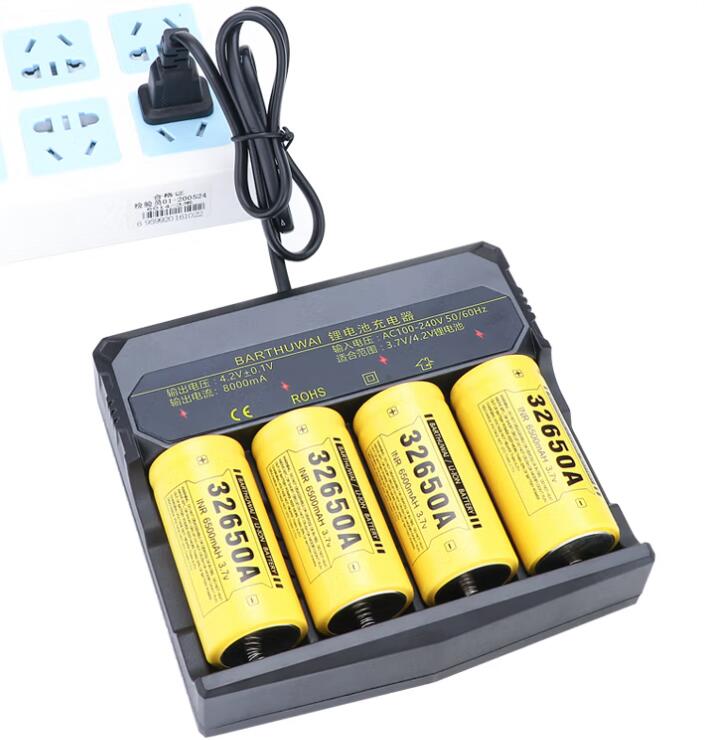
24v lifepo4 batteries

Where to buy 24v lifepo4 batteries 2023?

Are you looking for the best place to buy 24v lifepo4 batteries in 2023? We’ve got you covered! With the growing popularity of electric vehicles and eco-friendly energy solutions, having reliable batteries with a long life cycle is essential. Here, we provide an extensive guide on where to purchase 24v lifepo4 batteries in 2023.

24v lifepo4 batteries

Considerations when buying 24V lifepo4 batteries:

Essential factors to consider

When purchasing 24V lifepo4 batteries, it’s essential to consider several factors that can affect the quality and longevity of your purchase. Brand reputation should be one of the first things you evaluate. Make sure the company you’re buying from is respected in the industry and has a good track record regarding customer service and product reliability. Research online or ask for advice before committing to any particular brand. 

Another critical factor to consider is warranty coverage. Generally speaking, most reputable brands will provide some warranty on their products that covers manufacturing defects and other issues like premature wear and tear due to improper use or storage conditions. Check what’s included in each company’s warranty before deciding, so you know you’re covered if something goes wrong.

The final point we must consider is the price. The cost of these batteries is high; if not done correctly, you may spend more money than necessary. It is essential to take the time to shop around and compare prices so that you can get the best value for your money. 

Do the research and compare options before making a purchase.

Purchasing 24V lifepo4 batteries is an important decision. It’s essential to research and compares your options carefully to ensure that you make the best choice for your particular need. Research ahead of time will help you understand what features are available and which battery option will best meet your needs. 

When researching, it’s essential to look at consumer reviews, product specifications, energy density, cycle life, and price point. Analyzing these factors can help determine which 24V lifepo4 battery is the most cost-effective and reliable for your needs. It would help if you also considered whether or not a warranty or refund policy is available with each potential purchase. 

Researching in advance can save time, effort, and money when purchasing 24V lifepo4 batteries.

Top places to buy 24V lifepo4 batteries in 2023

Top retailers or manufacturers that offer 24V lifepo4 batteries.

There are several top retailers and manufacturers that offer high-quality 24V lifepo4 batteries.

One option is Battery Depot, a well-known online retailer that offers a wide selection of 24V lifepo4 batteries from various brands.

Another option is Battery Universe, a physical store with multiple locations across the country that carries a variety of 24V lifepo4 batteries at competitive prices.

For those looking for a more specialized manufacturer, Lifepo4.com offers a wide range of custom 24V lifepo4 batteries for various applications.

Finally, Battery Mart is a reputable online retailer with a selection of 24V lifepo4 batteries at affordable prices and offers free shipping on orders over a certain amount.

When choosing a retailer or manufacturer, it is essential to consider factors such as reputation, warranty, price, and customer service.

How to get the most out of your 24V lifepo4 battery

How to properly maintain and care for a 24V lifepo4 battery?

If you want to make sure that your 24V lifepo4 battery lasts as long as possible, there are some steps you should take to maintain and care for it properly.

First, be sure to charge the battery regularly. When charging, always use the recommended charger for your battery model; failure to do so could harm the battery or even create an unsafe situation.

Second, store the battery correctly when it is not in use. Avoid storing it in direct sunlight or near any heat sources; always keep it at room temperature.

Lastly, inspect it periodically for signs of wear and tear, such as cracks or dents. If any damage is visible, take your battery to a professional for service right away.

By following these simple tips and taking proper care of your 24V lifepo4 battery, you can ensure it will last as long as possible!

Suggest ways to optimize the battery’s performance

There are several simple ways to optimize the performance of a battery and get more life out of it. 

When charging a battery, be sure to use the original charger that came with your device. Using the wrong type of charger can damage the battery and reduce its overall efficiency. It’s best to charge it occasionally, as letting it run down entirely will also reduce capacity. If you’re not using your device for extended periods, store it at about 40-50% charge for best results.

Temperature is also essential when storing batteries; too much heat can cause them to degrade quickly. At the same time, cold temperatures can significantly reduce their performance. Keeping your devices in cool and dry conditions will allow them to maintain their maximum capacity for extended periods.

Conclusion

Buying 24v lifepo4 batteries in 2023 should be a more straightforward process than before. With the availability of online stores and the increasing number of brands that specialize in providing these types of batteries, it is easier to find one that meets your needs. Additionally, you can use review websites to get honest feedback from users who have already tried and tested different models. Lastly, compare prices among other websites to get the best deal for your money.

32650 batteries charger

What is 32650 lifepo4 battery charging voltage?

Suppose you’re using a 32650 lithium iron phosphate (LiFePO4) battery. In that case, it’s important to charge it at the correct voltage to ensure the longevity and safety of the battery. So, what is the charging voltage for a 32650 LiFePO4 battery?

32650 batteries charger

What is 32650 lifepo4 battery charging voltage?

The charging voltage for a 32650 LiFePO4 battery is typically between 3.6 and 3.8 volts per cell. That means that the charging voltage for a 12-volt 32650 LiFePO4 battery should be between 21.6 and 22.4 volts. It’s important to note that the charging voltage may vary slightly depending on the specific 32650 LiFePO4 battery you are using. So it’s always a good idea to check the manufacturer’s recommendations for the optimal charging voltage.

Consider the charger of LiFePO4 batteries.

It’s also essential to use a charger specifically designed for LiFePO4 batteries. These chargers are usually labeled as “LiFePO4” or “LFP” chargers. They are designed to provide the correct voltage and charging profile for LiFePO4 batteries. Using a charger that is not intended for LiFePO4 batteries can result in overcharging or undercharging, which can lead to shortened battery life and potentially even cause damage to the battery.

Can I charge a 32650 LiFePO4 battery with a regular charger?

Yes, you can charge a 32650 LiFePO4 battery with a regular lead-acid charger as long as it is set to no higher than 14.6v for regular charging. It is important to note that this should be disconnected after the battery is fully charged to ensure the cell’s longevity and avoid damage. LiFePO4 chargers from all major and reputable brands will limit the charge voltage to 14.6V, so it is essential to ensure that your charger meets this requirement before attempting to charge your battery.

In summary

The charging voltage for a 32650 LiFePO4 battery is typically between 3.6 and 3.8 volts per cell. It’s essential to use a charger specifically designed for LiFePO4 batteries and refer to the manufacturer’s recommendations for the specific charging voltage of your 32650 LiFePO4 battery.

32650 lifepo4 battery

What are the Benefits of the 32650 lifepo4 battery?

32650 lifepo4 batteries are popular for various applications, including renewable energy systems, electric vehicles, and consumer electronics. These batteries offer several key benefits, making them an attractive choice for many users.

32650 lifepo4 battery

The first benefit is high energy density.

One of the most beneficial characteristics of 32650 lifepo4 batteries is their high energy density. This makes them ideal for various applications, from consumer electronics and automotive to renewable energy storage. These batteries have excellent performance in terms of convenience, safety, and reliability. 

These batteries offer several advantages over other rechargeable batteries due to their high energy density. They can provide more power for extended periods than any other type, making them suitable for applications requiring a large amount of energy with limited space or weight restrictions. Additionally, they can be recharged many times without any significant loss in performance as opposed to Nickel-Cadmium (NiCd) or Lead Acid (PbA) cells which tend to lose capacity over time when used frequently.

The second benefit of the 32650 lifepo4 battery is its long lifespan.

The second particularly appealing benefit of LiFePO4 32650 batteries is their long lifespan. With proper care and usage, these high-performance cells can last up to 10 times longer than traditional lead acid or NiMH chemistries. This makes them an ideal choice for applications where frequent battery replacements would be costly or inconvenient. The exceptional lifetime performance also means fewer replacement trips to the store and less environmental waste from spent cells.

The third benefit of the 32650 lifepo4 battery is durability.

In addition to their long lifespan, these batteries are also incredibly durable. With high resistance to extreme temperatures and weather conditions, 32650 lifepo4 batteries remain reliable for extended periods. This makes them an ideal choice for those who need dependable power that can withstand various environmental pressures. 

The lightweight design of 32650 lifepo4 batteries offers another excellent benefit over traditional lead-acid models. They’re easier to transport and store, making them more user-friendly than standard battery types. Not only are they durable and lightweight, but the low self-discharge rate ensures that they retain power even when not in use – further contributing to their overall convenience and longevity.

The final benefit is environmentally friendly.

Finally, 32650 lifepo4 batteries are also environmentally friendly. They do not contain toxic materials such as lead or cadmium, making them safer and more accessible to dispose of than other battery types. Additionally, there is much less energy consumed during the production process than traditional batteries because these cells can be recharged multiple times with minimal performance degradation over time. This means less energy is needed for production purposes, and fewer resources must be used overall.

In conclusion

All in all, the benefits of 32650 lifepo4 batteries make them a healthy choice for a wide range of applications. Their high energy density, long lifespan, durability, and environmental friendliness make them popular for consumer and industrial applications. 32650 lifepo4 batteries will be a good choice if you are looking for a cost-effective battery.