
Are you struggling to figure out which battery is best for electric scooter builds and fleets?
Selecting the right power source makes a massive difference in your vehicle’s range, safety, and lifespan.
As an industry insider, I know that investing in the correct chemistry is crucial for long-term success. I’m going to give you guidance that goes beyond the basics, based on real-world OEM scooter battery manufacturing and engineering experience.
In this post, you’re going to learn exactly how to decode electric scooter battery specifications and choose the perfect power system, step by step.
Let’s dive right in.
The 3 Main Types of Electric Scooter Batteries
When I am engineering a fleet or planning an electric scooter battery replacement for commercial deployment, the core question is always: which chemistry delivers the best ROI and reliability? You need to balance weight, cycle life, and safety to keep vehicles on the road and out of the maintenance bay. The chemistry you choose dictates everything from top speed to total cost of ownership. Let’s break down the three primary battery chemistries dominating the e-mobility market today.
Legacy Tech: Lead-Acid (SLA)
Sealed Lead-Acid (SLA) is the traditional, legacy technology. You will often find these in older budget consumer models or when sourcing a standard scooter battery 12v setup.
- Pros: Extremely low upfront cost.
- Cons: SLA packs carry extreme weight and suffer from a notoriously short electric scooter battery life. They experience severe voltage sag under load, which translates to a sluggish ride as the charge drops. For modern fleets and serious B2B applications, an SLA setup is largely obsolete.
Industry Standard: Lithium-Ion (NMC/NCA)
The lithium ion battery for electric scooter is the reigning champion of modern personal e-mobility. Whether you are engineering a custom 36v electric scooter battery or a high-performance 48v battery for electric scooter, NMC and NCA chemistries deliver the critical power-to-weight ratio needed for urban commuting.
- Pros: High energy density (more range in a significantly lighter package), steady voltage output for consistent motor torque, and long lifespans. This chemistry is heavily favored for any modern electric scooter removable battery design where portability is key.
- Cons: Requires a highly reliable battery management system BMS to actively monitor cell balancing and prevent thermal events.
Heavy-Duty Choice: LiFePO4 Scooter Battery
A LiFePO4 scooter battery (Lithium Iron Phosphate) is rapidly becoming the gold standard for heavy-duty B2B fleets, cargo e-scooters, and reliable drop-in lead acid replacement applications.
- Pros: Exceptional thermal stability (virtually eliminating thermal runaway risks) and massive cycle life. They often exceed 3,000 to 5,000 charge cycles, representing incredible long-term value for commercial operations that charge and discharge multiple times a day.
- Cons: Slightly lower energy density compared to NMC, meaning the battery packs require a slightly larger footprint for the same capacity.
Battery Chemistry Quick Comparison
| Battery Chemistry | Energy Density | Expected Lifespan | Ideal Application |
|---|---|---|---|
| Lead-Acid (SLA) | Low | 300 – 500 Cycles | Legacy budget models, kids’ scooters |
| Lithium-Ion (NMC) | High | 800 – 1,000 Cycles | Consumer e-scooters, lightweight designs |
| LiFePO4 | Medium | 3,000+ Cycles | Commercial fleets, heavy-duty mobility, rentals |
Decoding Battery Specifications: What Actually Matters
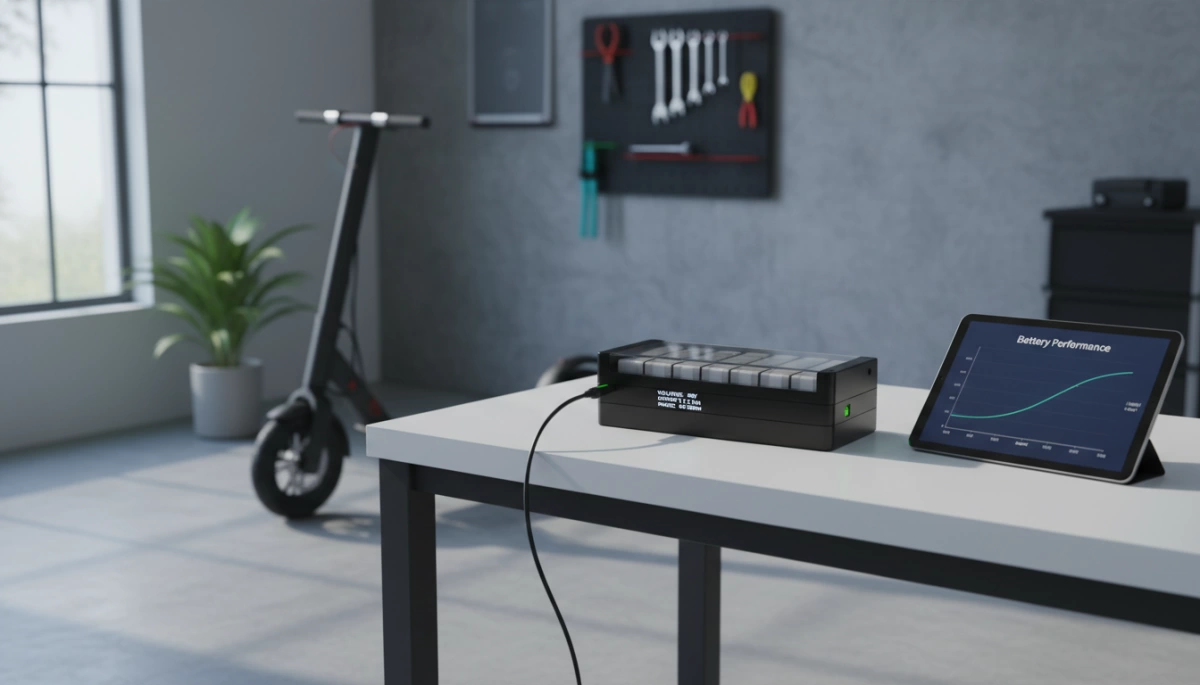
When customers ask me, “Which battery is best for electric scooter?”, the answer always comes down to the raw numbers printed directly on the side of the pack. If you want to maximize your electric scooter battery life or are actively shopping for a high-quality electric scooter replacement battery, you have to know what these numbers actually mean. Let’s cut through the technical jargon and break down exactly what Voltage, Amp-Hours, and Watt-Hours mean for your daily commute.
Voltage (V): The Engine’s Muscle
Think of voltage as the horsepower of your scooter. It dictates top speed, torque, and how easily your motor handles steep city hills. A higher voltage physically pushes more power to the motor, giving you a punchier, more responsive ride.
- 36v electric scooter battery: The industry standard for entry-level and lightweight commuter rides. It delivers smooth, steady power ideal for flat suburban neighborhoods and moderate cruising speeds.
- 48v battery for electric scooter: The sweet spot for heavier riders or those navigating hilly urban terrain. This provides the extra grunt needed for aggressive acceleration and maintaining speed on inclines.
- 60v scooter battery and above: Strictly built for high-performance, dual-motor, and heavy-duty off-road models.
When sourcing a reliable lithium ion battery for electric scooter upgrades, matching the new voltage to your existing motor controller is non-negotiable. Do not swap to a higher voltage unless you are completely overhauling the internal electronics.
Amp-Hours (Ah): The Gas Tank
If voltage is the engine’s muscle, Amp-Hours (Ah) represent the size of your gas tank. It measures raw electrical capacity. The higher the Ah rating, the longer you can stay on the road before you need to hunt down an e-scooter battery charger.
- 7Ah – 10Ah: Typical for light, last-mile commuters. Good for quick trips to the train station or the corner store.
- 15Ah – 20Ah+: The benchmark for serious, long-range daily commuting without the constant dread of range anxiety.
If you want a longer ride without changing how fast the scooter goes, finding a replacement battery with a higher Ah rating (while keeping the exact same voltage) is your best strategic move.
Watt-Hours (Wh): The True Range Indicator
This is the single most important metric for answering the classic question: how long does an electric scooter battery last per charge? Watt-Hours measure the total energy stored in the pack. It combines both speed (Voltage) and capacity (Amp-Hours) to give you the most accurate, unfiltered picture of real-world range.
- The Simple Formula: Volts x Amp-Hours = Watt-Hours (V x Ah = Wh)
- Why it matters: A 36V 10Ah battery gives you 360 Wh. A 48V 10Ah battery gives you 480 Wh. Even though the “gas tank” (10Ah) looks identical on paper, the 48V pack holds significantly more total energy and will carry you much further down the road.
Quick Battery Spec Comparison
| Battery Specification | What It Actually Means | Real-World Impact on Your Ride |
|---|---|---|
| Voltage (V) | Motor Power & Speed | Higher voltage = faster acceleration and effortless hill climbing. |
| Amp-Hours (Ah) | Gas Tank Size | Higher Ah = longer run times and fewer charging cycles. |
| Watt-Hours (Wh) | Total Stored Energy | Higher Wh = maximum overall distance and the truest range indicator. |
Why Lithium Dominates the E-Mobility Market
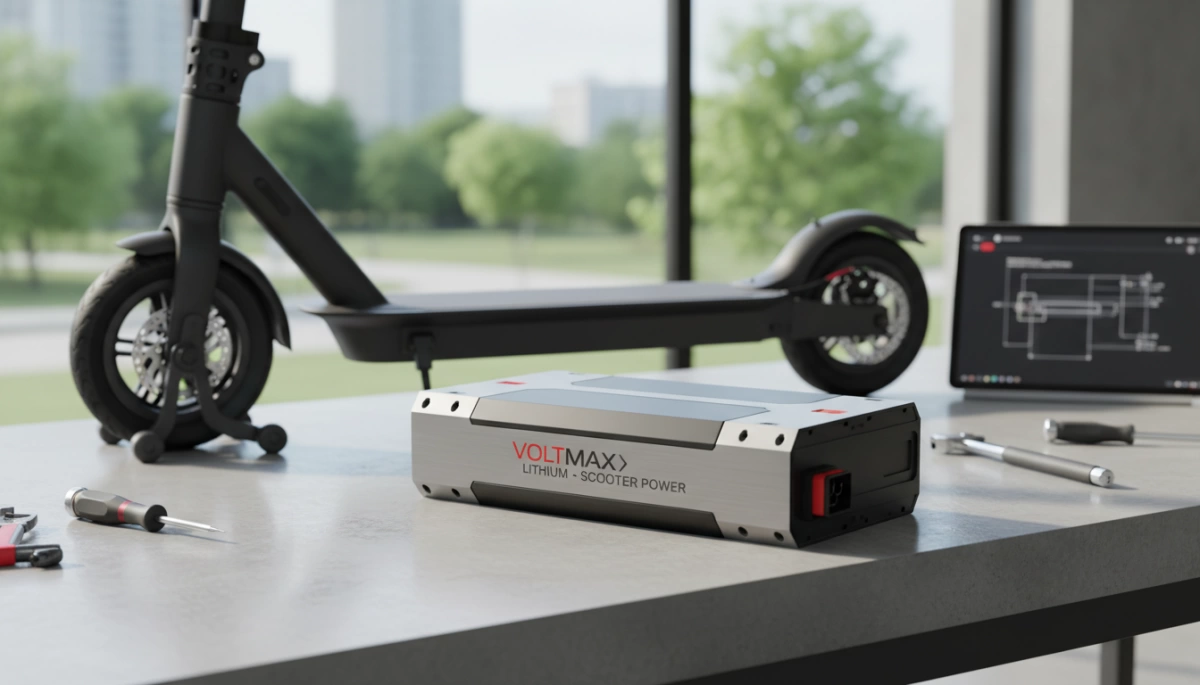
When figuring out which battery is best for electric scooter performance, lithium wins every time. We see it across the entire US market: heavy, outdated lead-acid setups are out, and lithium-ion is the undisputed standard.
The Drop-In Upgrade
If you are looking for an electric scooter battery replacement, upgrading to lithium is the single best modification you can make. It is the ultimate drop-in lead acid replacement for older models.
- Massive Weight Reduction: You can achieve up to a 70% weight reduction when swapping out clunky lead-acid bricks for a sleek lithium ion battery for electric scooter. Less weight directly translates to faster acceleration, longer range, and much easier handling.
- Tripled Lifespan: A quality e scooter lithium battery easily outlasts older tech. Instead of degrading rapidly after a single year of daily commuting, a well-built lithium pack delivers two to three times the life cycle.
Total Cost of Ownership
A common concern we hear from riders is the initial e scooter battery replacement cost. It is true that the sticker price of a lithium battery is higher upfront. However, when we look at the total cost of ownership over a 3 to 5-year period, lithium is significantly cheaper.
- Fewer Replacements: You are not buying a new replacement battery every 12 to 18 months. Buy it once, and ride for years.
- High Energy Density: Packs built with standardized cells—and understanding what a 18650 battery size is helps explain why they pack so much power into such a small footprint—deliver consistent speed without the heavy voltage sag experienced with lead-acid.
- Zero Maintenance: Just plug in your e-scooter battery charger and you are good to go. There is no topping off fluids or dealing with complex winter storage issues.
Investing in a modern 18650 lithium battery pack means you spend less money over the life of your scooter and more time actually enjoying the ride.
The Hidden Hero: Why You Need a Smart BMS
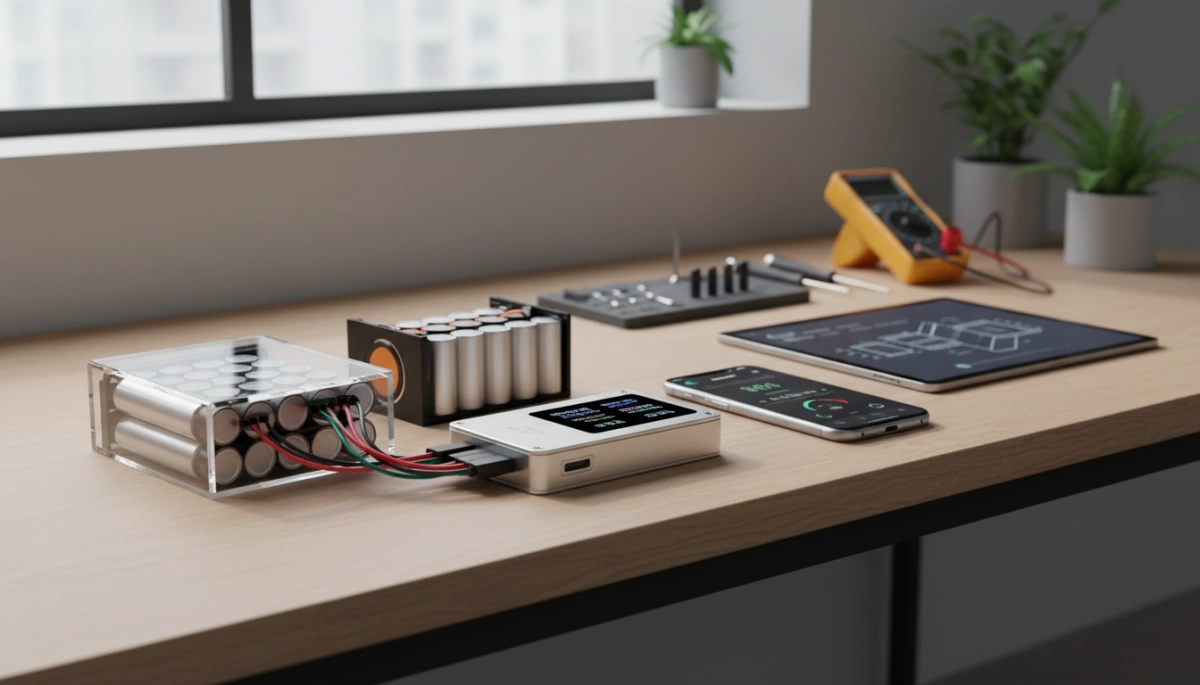
When figuring out which battery is best for electric scooter use, you can’t just look at the raw power of the cells. You need a brain to manage the brawn. That brain is the Battery Management System (BMS).
A smart BMS is the ultimate safeguard for your electric scooter battery life. It actively prevents common battery failures and keeps your ride safe. Without a solid BMS, you are putting both your hardware investment and your personal safety on the line.
Key BMS Protections
- Overcharge Protection: Stops the charge exactly when the pack is full, preventing dangerous swelling and fire risks.
- Short-Circuit Prevention: Instantly cuts power if a wiring fault occurs, stopping catastrophic electrical damage.
- Temperature Monitoring: Regulates the pack so it doesn’t overheat during steep climbs or take damage in freezing weather.
- Cell Balancing: Keeps every individual cell charging and discharging at the exact same rate. This prevents premature cell death, saving you from having to figure out how do you revive a dead 18650 battery later on.
Nuranu’s Engineering Edge
At Nuranu, we build battery packs that actually think ahead. Our advanced battery management system BMS features predictive diagnostics and real-time monitoring integrations. Whether you need a single electric scooter battery replacement or are powering an entire commercial fleet, our smart tech catches minor voltage drops before they become ride-ending problems. We ensure your scooter performs at its peak, safely and consistently.
Would you like me to draft the final section covering considerations for B2B fleet managers and OEMs?
OEM Scooter Battery Manufacturing
When you are managing a massive fleet or designing a new product line, figuring out which battery is best for electric scooter applications goes beyond just checking the specs. You need a reliable manufacturing partner to scale up effectively. Here is exactly what we focus on for our B2B partners.
Custom Lithium Battery Pack Prototyping
Time is money in the electric mobility market. Whether you need a standard 36v electric scooter battery for lightweight city commuters or a high-torque 48v battery for electric scooter fleets, scalability is the name of the game.
- Rapid Prototyping: We move incredibly fast from your initial design specs to a fully functional working model.
- High-Volume Production: We ensure a seamless transition from initial small-batch testing to consistent, high-volume monthly manufacturing.
- Premium Cell Sourcing: Building a reliable 18650 lithium battery pack starts with the raw components. Understanding how to identify 18650 battery quality is our first step in guaranteeing your fleet stays on the road longer without sudden voltage drops.
Certifications for Global Distribution
If you are manufacturing an electric scooter replacement battery or shipping fully assembled units across the United States and overseas, compliance is non-negotiable.
- UN38.3: Absolutely mandatory for the safe shipping and transport of lithium-ion cells.
- UL & CE: The gold standard safety certifications required to sell legally in the US and European markets.
- IEC Compliance: Guarantees your battery packs meet rigorous international electrical safety standards.
Tough Testing for Fleet Reliability
Shared mobility scooters take a massive beating on city streets. If you are deploying units designed to compete with a Bird scooter battery or Lime scooter battery, the power source needs to survive extreme, real-world conditions.
- Thermal Imaging: We monitor heat distribution to prevent overheating during rapid, back-to-back charging cycles.
- Drop Testing: Simulates hard curb hits, crashes, and everyday user abuse—critical if your design features an electric scooter removable battery.
- Vibration Simulation: Continuous shaking tests ensure internal spot welds, wiring, and the BMS stay securely connected over miles of rough pavement and potholes.






 English
  German
  Spanish
  French
  Italian
  Polish
  Russian
  Thai
Thai  Turkish
  Japanese
  Korean