
Custom LiFePO4 Battery Packs for Digital Electronics & IoT Devices
Reliable, Safe, Long-Lasting Power for Consumer Electronics, IoT Devices & Smart Products
OEM and ODM battery manufacturer for battery-powered IoT devices, digital electronics, and smart consumer products — supplying rechargeable battery for IoT devices, custom battery packs for electronic digital tools, battery-operated IoT devices, and battery-powered IoT sensors. From ultra-low-power IoT device batteries and internal rechargeable batteries for IoT devices to digital electronic safe batteries, electronic digital caliper batteries, and wearable IoT batteries worldwide.
Why Choose Our Digital Electronics & IoT Batteries?
Whether you need a rechargeable battery for IoT devices, an internal rechargeable battery for IoT devices commonly used in smart sensors and trackers, or a custom battery pack for digital electronics — our LiFePO4 solutions combine safety, longevity, and smart BMS integration demanded by battery-powered IoT device manufacturers and consumer electronics OEMs.
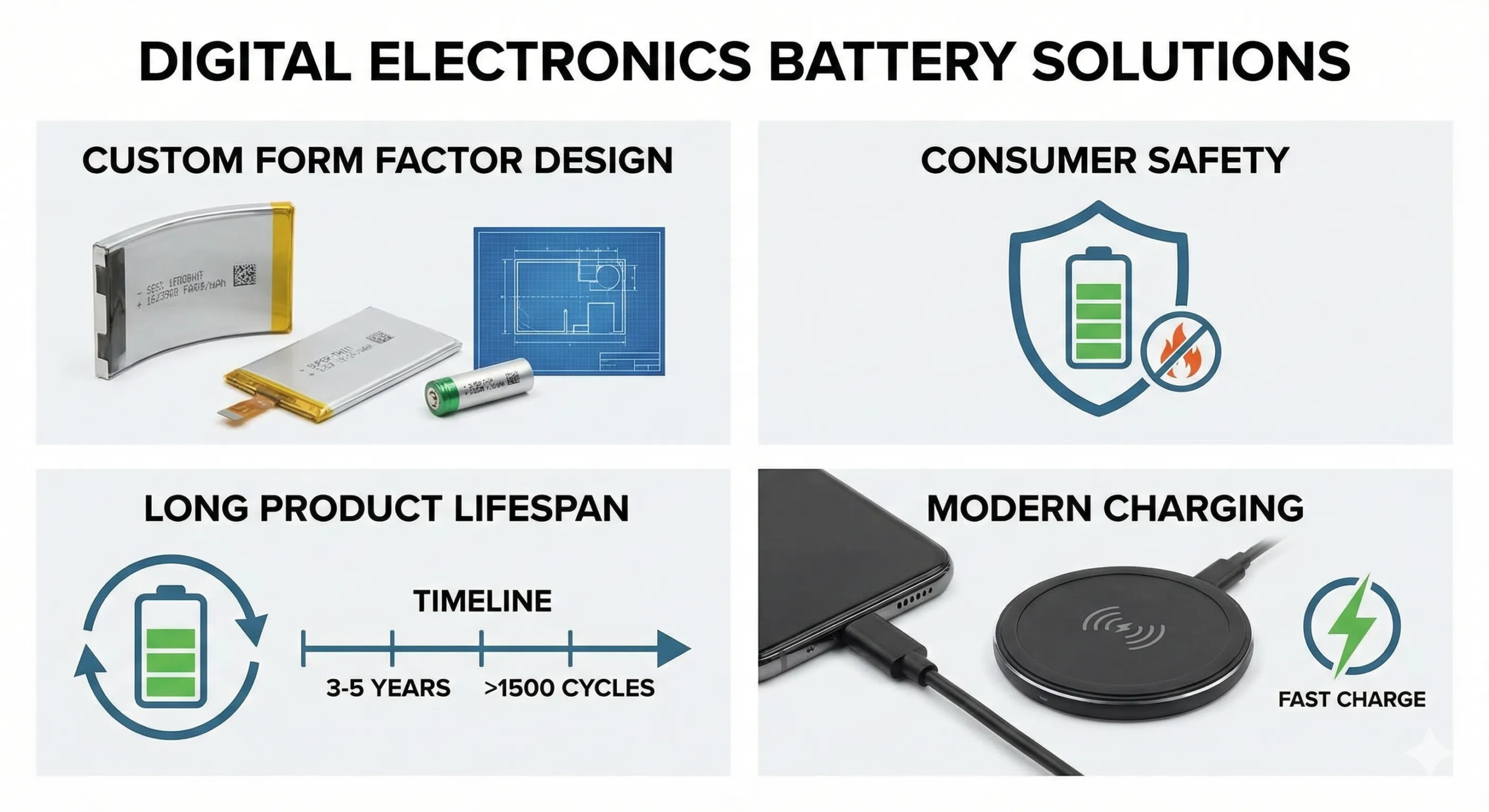
Custom Form Factor for Any IoT Device or Electronics Housing
Fit any IoT device shape or digital electronics space constraint — from ultra-thin pouch cells for wearable IoT devices and slim electronic digital tools, to curved batteries for smart devices. Custom designs for battery-operated IoT devices including electronic digital safe battery replacement, electronic digital caliper battery, and compact IoT sensor battery packs. Battery for IoT devices from 3mm thickness upward.
Consumer Safety — Safest IoT Battery Chemistry
LiFePO4 is the safest rechargeable battery for IoT applications and digital electronics. Excellent thermal stability eliminates fire risk in battery-powered IoT devices — critical for battery-operated IoT devices deployed in homes, offices, and industrial environments. No thermal runaway under normal IoT device operating conditions. Addresses key IoT battery risks for product liability and international certification.
Long Cycle Life — Years of Battery Life for IoT Devices
1500+ cycles supports 3–5 year device life — matching consumer electronics warranty periods and enterprise IoT deployment lifecycles. A company enabling years of battery life for Wi-Fi IoT devices starts with the right rechargeable battery for IoT devices. Our LiFePO4 batteries dramatically reduce the cost and logistics of changing battery on IoT device deployments at scale.
Modern Charging — USB-C, Quick Charge & Wireless
USB-C Power Delivery, Quick Charge, and wireless charging (Qi) support for consumer IoT devices and digital electronics. Smart BMS with fuel gauge IC (I²C/SMBus) enables IoT development tools power efficiency and battery device monitoring. Fast, convenient, and future-proof for cellular IoT device battery backup and smart consumer electronics requiring how to test battery life of IoT device functionality.
Digital Electronics & IoT Battery Configurations
Custom LiFePO4 battery packs for battery-powered IoT devices and digital electronics — from ultra-compact IoT sensor batteries and electronic digital tool batteries to high-capacity power bank cells for IoT gateways and portable digital devices
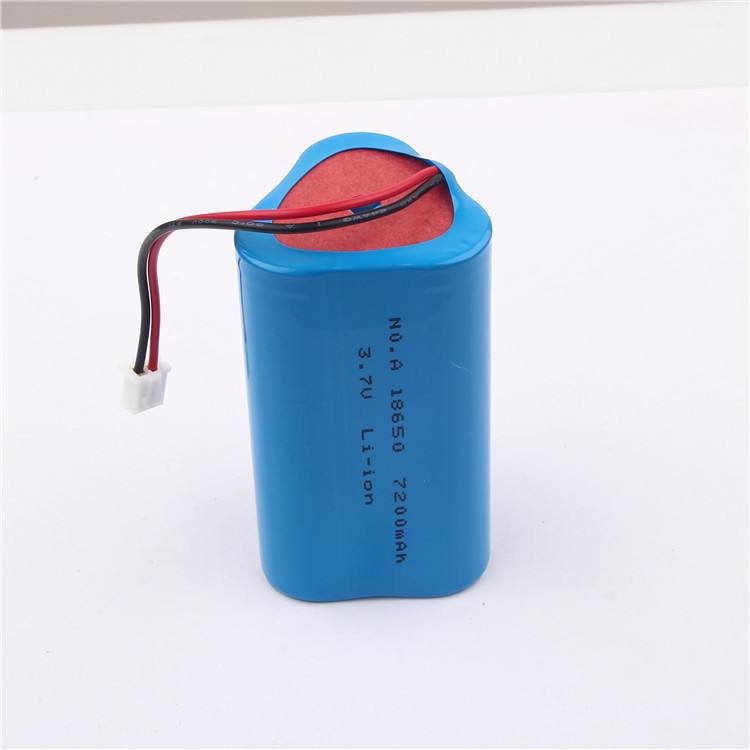
3.7V 2000mAh Compact IoT Battery
- Voltage: 3.7V (1S LiFePO4)
- Capacity: 2000mAh | 7.4Wh
- Weight: ~60g
- Thickness: From 5mm (pouch)
- Charging: USB-C / wireless
- BMS: Fuel gauge IC, I²C
Battery for IoT devices: handheld scanners, electronic digital caliper battery replacement, portable barcode readers, electronic digital safe battery, smart door lock battery. Internal rechargeable battery for IoT devices commonly used in compact sensor and tracker applications.
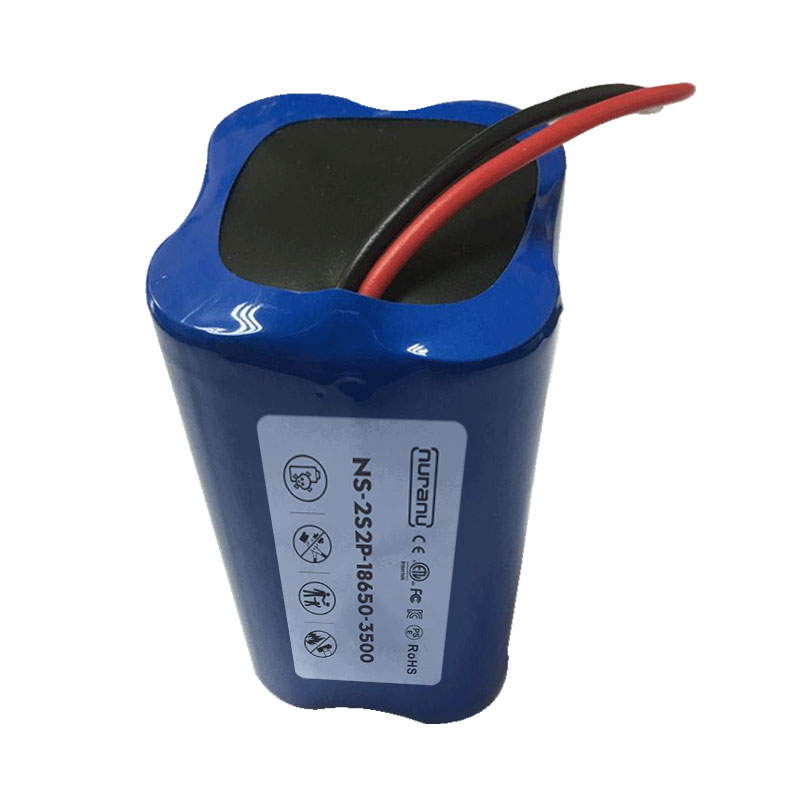
Get Quote7.4V 3000mAh Standard IoT Pack
- Voltage: 7.4V (2S LiFePO4)
- Capacity: 3000mAh | 22.2Wh
- Weight: ~150g
- Cells: 18650 LiFePO4
- Communication: SMBus / I²C
- Charging: USB-C PD / QC
Battery-powered IoT devices: tablets, e-readers, portable game consoles, battery-powered IoT gateways, cellular IoT device for control and battery backup. How to test battery life of IoT device — our BMS supports SOC/SOH reporting for real-time battery life monitoring in deployed IoT devices.
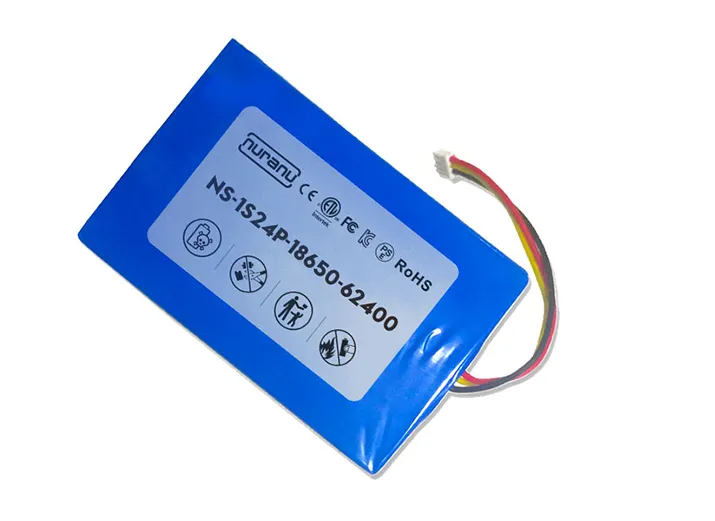
Get Quote11.1V 4000mAh High Capacity
- Voltage: 11.1V (3S LiFePO4)
- Capacity: 4000mAh | 44.4Wh
- Weight: ~350g
- Cells: 21700 LiFePO4
- Discharge: Up to 2C
- BMS: Smart with LED indicator
Laptops, portable monitors, IoT edge computing devices, and battery capacities for IoT devices requiring higher energy. Powers battery-powered IoT devices with significant processing load — IoT development tools power efficiency and battery device management are key design considerations.
Get Quote14.8V 5000mAh IoT Power Bank
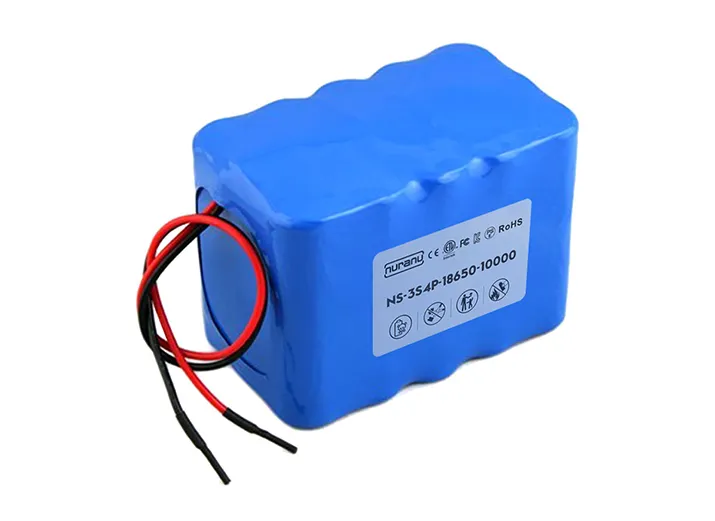
- Voltage: 14.8V (4S LiFePO4)
- Capacity: 5000mAh | 74Wh
- Weight: ~500g
- Cells: 21700 LiFePO4
- Output: Multi-port USB
- Features: Pass-through charging
High-capacity portable chargers, IoT hub backup power, and cellular IoT device battery backup systems. Supports battery capacities of IoT devices requiring extended runtime — from IoT gateways to portable digital electronics requiring multi-day autonomous operation.
Get QuoteCustom IoT / Electronics Config

- Voltage: 3.7V – 24V custom
- Capacity: 500mAh – 10Ah
- Form Factor: Fully custom shape
- Charging: USB-C / QC / Wireless
- BMS: Smart with fuel gauge
- Protection: Full PCM included
OEM battery for IoT devices — wearables, ultra-low-power IoT devices, smart sensors, battery-operated IoT devices for logistics and asset tracking. Companies enabling years of battery life for Wi-Fi IoT devices and low-power wireless modules for battery-operated IoT devices start with our custom IoT battery design service.
Contact Engineer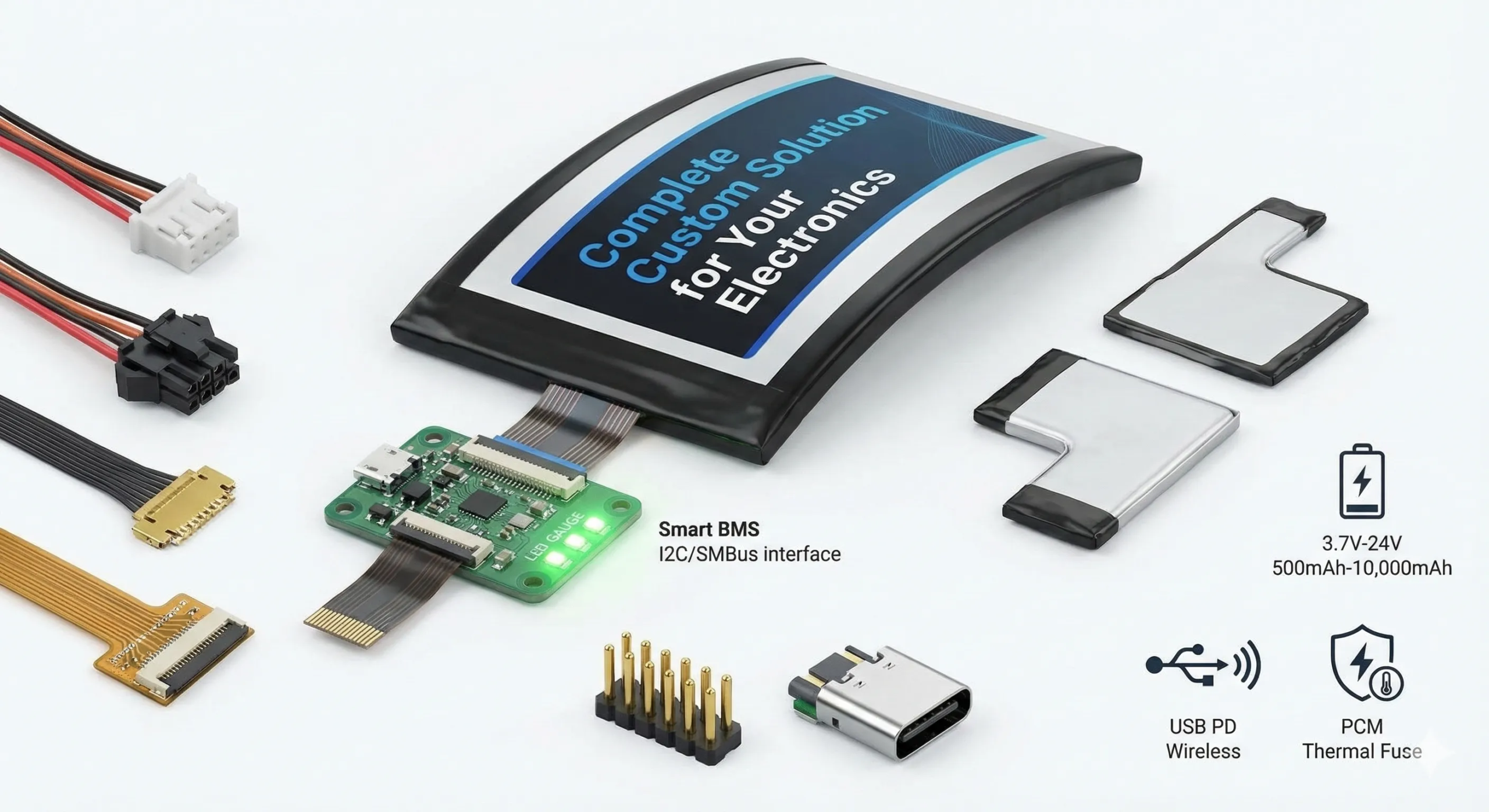
Complete Custom IoT & Electronics Battery Solution
Every battery-powered IoT device and digital electronics product has unique power requirements. Our engineering team handles the full IoT battery design process — from ultra-low-power microcontroller IP for battery-operated IoT devices through to compliance requirements for IoT devices including coin cell battery equivalents, and full IP provider chip architecture integration for energy-harvesting IoT devices.
Custom IoT Battery Form Factors
Thin, curved, and irregular shapes for perfect fit in battery-operated IoT devices — including electronic digital caliper battery compartments, electronic digital safe battery housings, and wearable IoT electronics.
Voltage & Capacity for IoT
3.7V to 24V, 500mAh to 10,000mAh — matched to battery capacities of IoT devices from ultra-low-power sensors to high-throughput IoT gateways and digital electronics platforms.
Smart Charging Integration
USB PD, Quick Charge, wireless charging (Qi) — plus energy harvesting device compatibility to replace batteries in IoT sensors with self-powered alternatives where applicable.
Smart BMS for IoT
Fuel gauge IC, I²C/SMBus, LED indicators — IoT development tools power efficiency and battery device monitoring. Supports how to test battery life of IoT device with real-time SOC/SOH data reporting.
Connectors for IoT Devices
JST, Molex, FPC, pogo pins, USB-C — compatible with all standard IoT PCB and digital electronics connector standards. Replacement batteries for electronic digital tools with exact-fit connectors.
Protection for IoT Safety
PCM board, thermal fuse, PTC fuse — how to prevent swelling, leakage, and thermal issues in compact IoT batteries. Essential for battery-operated IoT devices deployed in unmanned and remote environments.
Why LiFePO4 for IoT Devices & Digital Electronics?
LiFePO4 is the optimal rechargeable battery for IoT devices and digital electronics — combining the safest chemistry, longest cycle life, and most stable voltage of any lithium battery available for battery-powered IoT device applications
Consumer Safety First
Lowest fire risk for daily-use IoT devices and digital electronics — no thermal runaway in battery-operated IoT devices under normal conditions
Long IoT Battery Life
1500+ cycles supports multi-year IoT device deployment without changing battery on IoT device — reducing maintenance cost at scale
Stable Voltage Output
Consistent power delivery throughout discharge — critical for precise battery capacities of IoT devices and electronic digital tools requiring stable voltage
Temperature Safe
Reliable in outdoor, low-temperature, and high-temperature IoT environments — from cold warehouse IoT sensors to hot outdoor battery-powered IoT devices
Eco-Friendly & Compliant
RoHS compliant, recyclable materials — meeting compliance requirements for IoT devices and digital electronics across global markets
Digital Electronics & IoT Battery Technical Specifications
Key performance metrics for our LiFePO4 IoT device batteries and digital electronics battery packs — supporting everything from ultra-low-power IoT devices with coin cell battery requirements to high-capacity battery-powered IoT gateway systems
| Parameter | IoT Device & Digital Electronics Battery Specification |
|---|---|
| Cell Type | 18650 / 21700 / Pouch LiFePO4 — cell type optimized per IoT device battery capacity requirement |
| Voltage | 3.7V – 24V (1S – 6S+) — all standard IoT device battery voltages supported |
| Capacity | 500mAh – 10,000mAh — battery capacities of IoT devices from sensors to gateways |
| Discharge Rate | 0.5C – 2C — optimized for low-power wireless module for battery-operated IoT devices |
| Charge Rate | 0.5C – 2C fast charge — USB-C PD, QC, wireless Qi compatible |
| Cycle Life | >1500 cycles @ 80% DOD — years of battery life for IoT devices without replacement |
| Operating Temperature | 0°C to 45°C standard; extended range for outdoor IoT environments available |
| Thickness | From 3mm (pouch cells) — ultra-thin for electronic digital tool batteries and wearable IoT devices |
| BMS Communication | I²C, SMBus, fuel gauge IC — IoT development tools power efficiency and battery device integration |
| Certifications | CE, RoHS, FCC, UL, UN38.3 — compliance requirements for IoT devices and digital electronics markets |
Digital Electronics & IoT Battery Applications
LiFePO4 battery packs for the full range of battery-powered IoT devices and digital electronics — from battery-operated IoT device sensors and smart meters to portable digital tools, wearables, and connected consumer electronics

Portable Printers & Scanners
Mobile office equipment, label printers, and handheld barcode scanners — battery for IoT devices requiring compact, rechargeable power. Also electronic digital caliper battery replacement and replacement batteries for electronic digital tools including starrett electronic digital caliper 799 series, powerfix electronic digital caliper, and titan electronic digital caliper battery.

Handheld Gaming & Interactive Devices
Portable gaming consoles, controllers, and VR/AR accessories — battery-powered IoT devices requiring high discharge rate and fast USB-C recharge. Digital electronic device battery management for ardwolf AL3 digital electronic keyless smart door lock battery life and similar consumer interactive electronics.

E-Readers, Tablets & Digital Tools
Digital books, note-taking tablets, big display 8-digit electronic calculator battery, electronic scientific calculator 10 digits battery replacement, and electronic quartz digital watch battery replacement. Internal rechargeable battery for IoT devices commonly used in low-power display products requiring weeks of battery life.
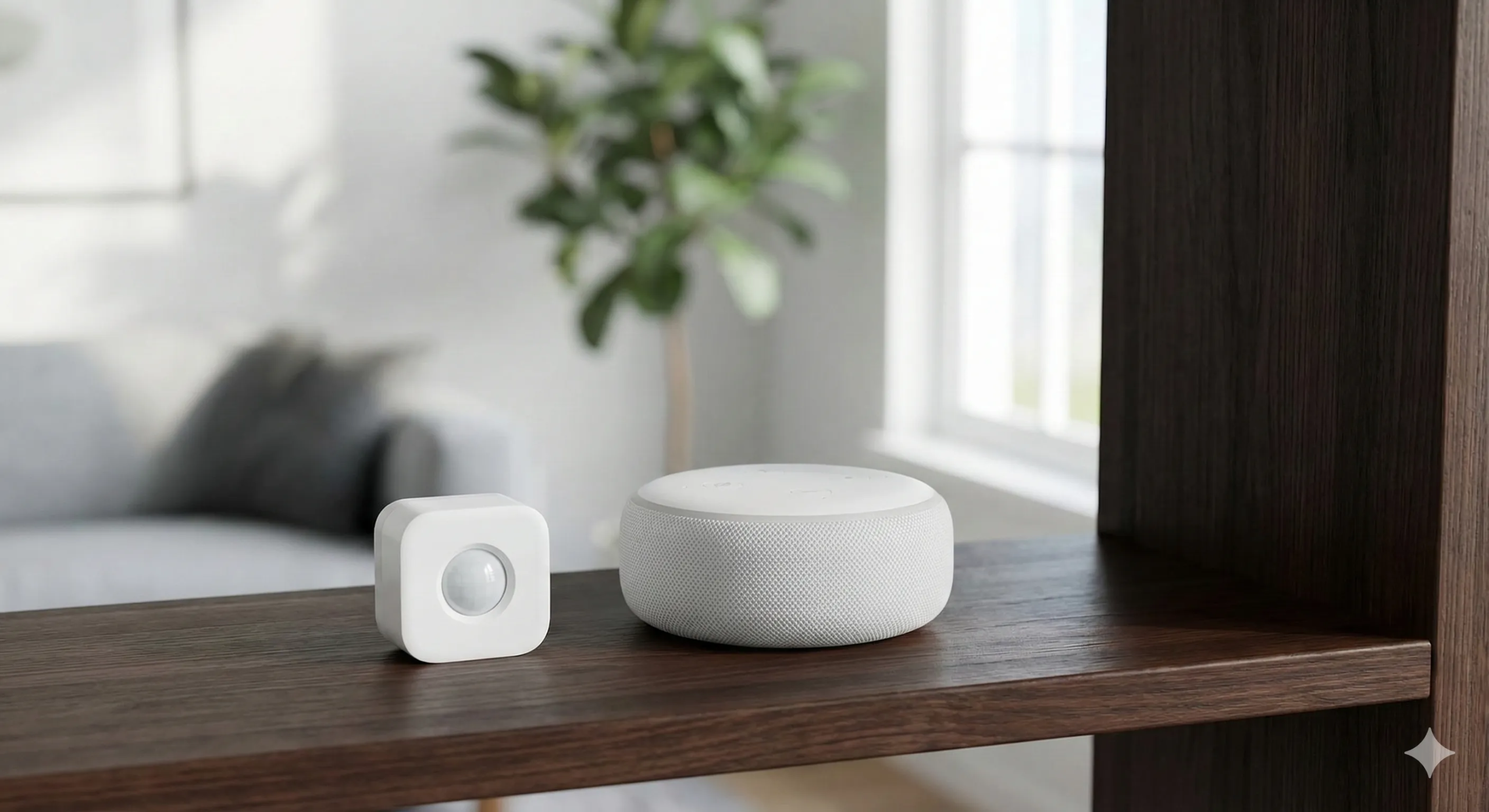
IoT & Smart Connected Devices
Battery-operated IoT devices including smart sensors, smart meters, asset trackers, and IoT hubs. Battery capacities of IoT devices vary from coin cell equivalents for ultra-low-power IoT devices to 10Ah for IoT gateway battery backup. Companies enabling years of battery life for Wi-Fi IoT devices rely on our optimized rechargeable battery for IoT device designs.
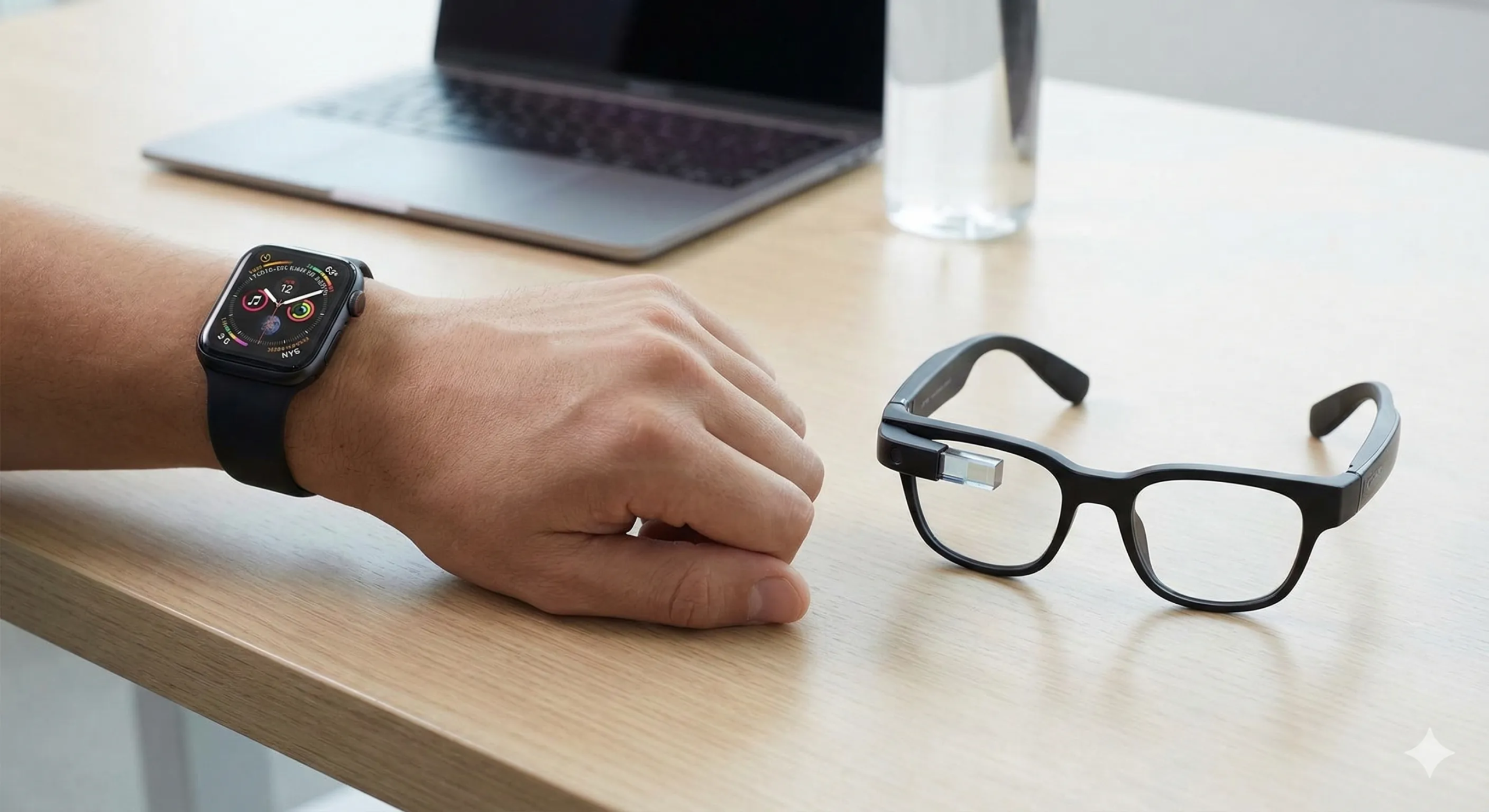
Wearable Electronics & Smart Accessories
Smart glasses, AR/VR accessories, smartwatches, and health monitoring wearables — ultra-thin pouch cell IoT batteries from 3mm thickness. Compliance requirements for ultra-low-power IoT devices with coin cell batteries addressed through custom pouch cell designs that match coin cell footprints with rechargeable performance.

Portable Audio, Video & Security Devices
Bluetooth speakers, portable projectors, media players, and electronic digital safe battery systems. Gordon digital electronic safe dead battery no key scenarios are eliminated with our reliable IoT battery designs. Electronic digital safe battery dead issues resolved with long-cycle LiFePO4 replacements and proper battery monitoring.
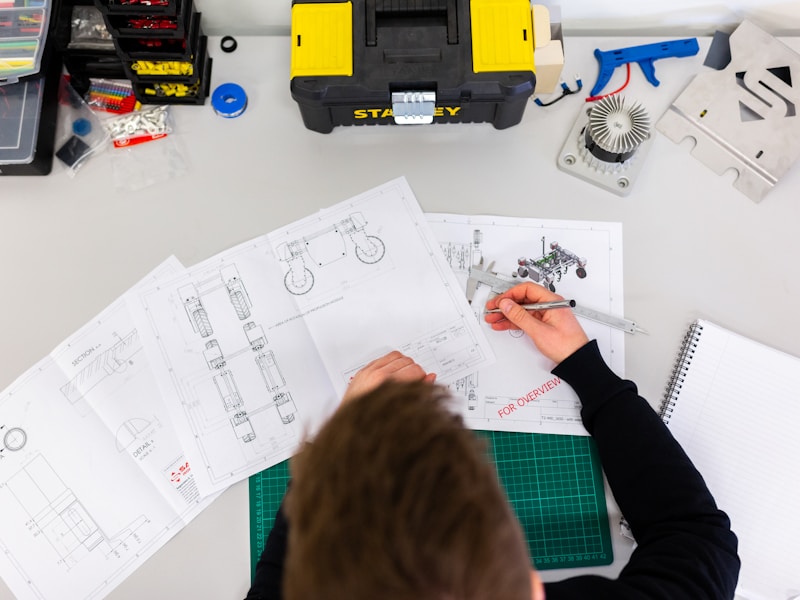
OEM Integration Support for IoT & Electronics
- Custom IoT battery design (CAD, 3D modeling) for any battery-powered IoT device form factor
- BMS integration with IoT device MCU — I²C, SMBus, fuel gauge IC for IoT development tools power efficiency and battery device monitoring
- Charge circuit design assistance — USB PD, QC, energy harvesting device integration to replace batteries in IoT sensors
- Regulatory certification support (CE, FCC, UL, RoHS) — full compliance requirements for IoT devices and consumer electronics markets
- Manufacturing quality control and how to test battery life of IoT device — complete validation protocols before shipment
- Drop-in replacement for existing designs — replacement batteries for electronic digital tools, electronic digital caliper battery, and electronic digital safe battery swap-in solutions
- Low-power wireless module for battery-operated IoT devices logistics — supply chain support for large-scale IoT battery operated device deployments
IoT Device Battery FAQ
Expert answers about IoT device battery 101 — everything you need to know about battery for IoT devices, battery-powered IoT devices, IoT battery selection, and OEM IoT battery solutions
An IoT battery is a rechargeable or primary cell used to power battery-operated IoT devices — including wireless sensors, smart meters, asset trackers, remote monitoring stations, smart home devices, and industrial IoT nodes. IoT device batteries must balance energy capacity, self-discharge rate, operating temperature range, and form factor to enable years of battery life in deployed IoT devices. LiFePO4 is increasingly chosen as the rechargeable IoT battery of choice due to its safety, long cycle life (1500+ cycles), and stable voltage output. Changing battery on IoT device in field deployments is one of the highest operational costs — choosing the right IoT battery from the start is critical.
Common battery chemistries for IoT devices: LiFePO4 (lithium iron phosphate) — safest rechargeable option for IoT battery applications, 1500+ cycles, excellent temperature performance; lithium-ion NMC — higher energy density for compact battery-powered IoT devices; lithium thionyl chloride (Li-SOCl2) — dominant primary cell for ultra-low-power IoT sensors requiring 10+ year battery life; alkaline AA/AAA — for simple battery-operated IoT devices and electronic digital tools; and coin cell batteries (CR2032) — compliance requirements for ultra-low-power IoT devices with coin cell batteries. The internal rechargeable battery in IoT devices commonly used today is transitioning from NMC to LiFePO4 for safety and longevity.
For ultra-low-power IoT devices requiring primary (non-rechargeable) batteries with 5–15 year deployment life, lithium thionyl chloride (Li-SOCl2) is typically the best IoT battery — used in smart meters, gas sensors, and asset trackers. For rechargeable battery for IoT devices where charging is feasible, LiFePO4 is the best choice — combining safety, 1500+ cycles, and the stable voltage that ultra-low-power microcontroller IP for battery-operated IoT devices requires. Energy harvesting devices that replace batteries in IoT sensors (solar, vibration, thermal) can be combined with LiFePO4 buffer batteries for completely autonomous IoT device battery systems.
Smart sensors and remote monitoring IoT devices typically use: Li-SOCl2 primary cells (3.6V, D/C/AA size) for 5–15 year deployment without changing battery on IoT device; LiFePO4 rechargeable for solar-powered or wirelessly charged IoT devices; and coin cell batteries (CR2032/CR2450) for compliance requirements in ultra-low-power IoT devices. Battery capacities of IoT devices for remote monitoring range from 1Ah (occupancy sensor) to 19Ah (industrial flow meter). Our custom rechargeable battery for IoT devices can match or exceed primary cell runtimes when paired with energy-harvesting devices that replace batteries in IoT sensors.
Common examples of battery-powered IoT devices include: smart door locks (ardwolf AL3 digital electronic keyless smart door lock battery life), smart meters and gas/water meters, industrial asset trackers, environmental sensors (temperature, humidity, CO2), smart lighting controllers, agricultural IoT sensors, parking sensors, wearable health monitors, electronic digital safe battery systems, cellular IoT devices for remote control with battery backup, and LoRaWAN/NB-IoT nodes for smart city applications. IoT devices without battery are the exception — battery-operated IoT devices dominate deployments where wiring is impractical.
IoT device battery 101 selection process: (1) Define required runtime or deployment life — how many years between changing battery on IoT device? (2) Measure or estimate daily energy consumption (µAh/day for ultra-low-power IoT, mAh/day for active IoT). (3) Choose chemistry: primary Li-SOCl2 for >5 year life; LiFePO4 rechargeable for <5 year or where charging is available. (4) Select form factor to fit IoT device housing — from coin cell to custom pouch. (5) Verify compliance requirements for IoT devices (CE, FCC, RoHS, UN38.3). Our engineers provide complete IoT battery design consultation from specification through production.
Key factors affecting battery life in IoT devices: communication protocol (cellular IoT device battery consumption is 10–100× higher than LoRaWAN or Zigbee per transmission); duty cycle (how often the IoT device wakes, measures, and transmits); microcontroller sleep current (ultra-low-power microcontroller IP for battery-operated IoT devices can achieve <1µA sleep current); temperature (cold environments reduce battery capacity 20–40%); self-discharge rate (<2%/month for LiFePO4); and IoT development tools power efficiency optimization. How to test battery life of IoT device accurately requires field simulation under real-world duty cycles, not just bench testing.
Battery life extension strategies for battery-operated IoT devices: (1) Use ultra-low-power microcontroller IP for battery-operated IoT devices — sleep current under 1µA is achievable. (2) Optimize communication: companies enabling years of battery life for Wi-Fi IoT devices use duty-cycled protocols with aggressive sleep modes. (3) Deploy energy-harvesting devices to replace batteries in IoT sensors — solar, thermal, or vibration harvesting combined with LiFePO4 buffer. (4) Use low-power wireless modules for battery-operated IoT devices logistics (LoRaWAN, NB-IoT, Zigbee vs. cellular). (5) Increase battery capacity — battery capacities of IoT devices can often be increased without significant form factor change. (6) Select chemistry: LiFePO4 has lower self-discharge than NMC for long-standby applications.
Yes — many battery-operated IoT devices are designed to work without continuous internet access. IoT devices without battery-draining constant connectivity use store-and-forward architectures: data is logged locally and transmitted in bursts during scheduled windows. This dramatically extends IoT device battery life. Cellular IoT devices for control with battery backup maintain data integrity during connectivity loss by buffering to local memory. LoRaWAN and NB-IoT networks are designed for battery-powered IoT devices that may have intermittent coverage — connecting briefly to transmit and returning to ultra-low-power sleep state.
Communication is the dominant IoT device battery drain for most battery-powered IoT devices. Approximate energy per transmission: Bluetooth LE — 1–10µJ; Zigbee — 1–10µJ; LoRaWAN — 10–100µJ; NB-IoT — 100µJ–10mJ; LTE-M/cellular IoT device — 1–100mJ. For context, a single cellular transmission can consume as much energy as thousands of LoRaWAN messages. IoT development tools power efficiency analysis should prioritize protocol selection early in battery-powered IoT device design. Cellular IoT device for control with battery backup must include sufficient battery capacity to handle peak transmission currents without voltage drop that could reset the MCU.
Main IoT battery risks: (1) Swelling — caused by overcharge, over-discharge, or cell aging; prevented by proper BMS protection. (2) Thermal runaway — most serious risk with NMC/NCA chemistries; LiFePO4 virtually eliminates this risk in battery-operated IoT devices. (3) Leakage — more common in primary cells; avoided by choosing appropriate IoT battery chemistry for operating temperature. (4) Deep discharge damage — IoT devices without battery state monitoring may discharge below safe voltage; BMS low-voltage cutoff is essential. (5) Capacity fade in high-temperature environments — outdoor IoT device battery life is 30–50% shorter in high-temperature deployments without thermal management.
Safer IoT battery alternatives include: LiFePO4 (lithium iron phosphate) — the safest lithium rechargeable IoT battery, with thermal runaway onset above 270°C vs. ~150°C for NMC; zinc-air batteries — for ultra-low-power IoT devices like hearing aids and small sensors; thin-film solid-state batteries — emerging technology for miniature IoT devices with near-zero leakage risk; and energy harvesting devices that replace batteries in IoT sensors entirely — using solar, piezoelectric, or thermal energy. IP providers and chip architectures for energy-harvesting IoT devices are advancing rapidly, with efficient tritium batteries for IoT devices and ambient energy harvesting enabling truly battery-free IoT deployments.
Prevention of IoT battery problems in compact devices: (1) Specify LiFePO4 chemistry — inherently stable, no swelling or thermal runaway under normal conditions. (2) Include BMS overcharge protection (cutoff at 3.65V/cell for LiFePO4) — prevents the most common cause of battery swelling. (3) Include under-voltage protection — prevents deep discharge damage in IoT devices without battery monitoring. (4) Add thermal monitoring — temperature cutoff at 45°C charge / 60°C discharge. (5) Use proper cell enclosure — prevents physical damage-induced short circuits. (6) Select appropriate cell type for form factor — pouch cells for thin IoT devices are more sensitive to mechanical stress than 18650/21700 cylinders. Our engineering team handles all of these design elements for battery-powered IoT device OEM projects.
Yes. We are an experienced OEM IoT battery manufacturer offering full OEM and ODM services for IoT device companies and consumer electronics brands worldwide. Services include: custom battery for IoT devices design (CAD, 3D modeling, prototype), BMS firmware development for IoT development tools power efficiency and battery device integration, regulatory compliance support (CE, FCC, RoHS, UN38.3), and dedicated engineering support from prototype through mass production. We support companies enabling years of battery life for Wi-Fi IoT devices, low-power wireless modules for battery-operated IoT devices logistics, and ultra-low-power microcontroller IP integration for battery-operated IoT devices across all vertical markets.
Absolutely. We customize every specification: voltage (3.7V–24V for any IoT device battery requirement), capacity (500mAh–10Ah covering the full range of battery capacities of IoT devices), physical dimensions (from coin cell footprint to large gateway battery), connector type (JST, Molex, FPC, pogo pins, USB-C — including replacement batteries for electronic digital tools and electronic digital caliper battery exact-fit connectors), and BMS communication interface (I²C, SMBus). Prototypes for custom IoT device batteries are delivered within 2–4 weeks.
All IoT device battery packs include: overcharge protection (prevents swelling and thermal issues in compact IoT batteries), over-discharge protection (prevents IoT device battery damage from deep discharge), overcurrent protection (short circuit protection for battery-operated IoT devices), temperature monitoring (charge and discharge cutoff), cell balancing (for multi-cell IoT battery packs), and PCM/BMS redundancy for life-critical IoT applications. Electronic digital safe battery systems and other security IoT devices additionally support backup power failover to prevent gordon digital electronic safe dead battery and hardline electronic digital safe battery dead scenarios.
Our IoT device batteries perform reliably across demanding environments: standard LiFePO4 operates 0°C to 45°C; extended temperature models support -20°C to 60°C for outdoor IoT devices. In low-temperature IoT environments, expect 15–25% temporary capacity reduction at -20°C with full recovery at normal temperatures — critical for cold chain tracking and outdoor sensor battery-operated IoT devices. High-temperature IoT environments (outdoor enclosures, industrial settings) benefit from LiFePO4's superior thermal stability vs. NMC. We recommend temperature monitoring BMS for all outdoor battery-powered IoT devices to maximize IoT device battery life in variable climate conditions.
Quality assurance for bulk IoT battery orders: Grade A cells only from certified manufacturers with full lot traceability, 100% capacity testing at rated discharge, internal resistance measurement and cell matching, BMS protection function testing (overcharge, over-discharge, short circuit, temperature), communication interface validation (I²C, SMBus), and physical inspection. ISO 9001-compliant production with complete documentation — essential for battery for IoT devices manufacturers scaling from prototype to volume production. How to test battery life of IoT device validation reports are provided for all OEM IoT battery customers.
Our IoT device batteries support: CE (EU market compliance requirements for IoT devices), FCC (US market for battery-powered IoT devices and digital electronics), RoHS (restriction of hazardous substances for electronic digital tools and consumer IoT), UN38.3 (transport certification for lithium battery for IoT devices shipping internationally), UL (US safety certification), and IEC 62133 (consumer electronics battery safety standard). Additional certifications including KC (Korea), PSE (Japan), and BIS (India) can be arranged for specific IoT battery market requirements. Full certification documentation is provided for all OEM IoT battery projects.
We provide a 2-year product warranty for IoT device batteries and dedicated B2B technical support including: IoT battery selection and battery capacities of IoT devices sizing consultation, BMS configuration and IoT development tools power efficiency optimization, how to test battery life of IoT device — complete validation protocols and test reporting, regulatory certification support for compliance requirements for IoT devices, and ongoing supply chain support for large-scale battery-operated IoT device deployments. Our engineering team supports the full product lifecycle — from first IoT battery prototype through production scale-up and long-term supply programs for companies enabling years of battery life for Wi-Fi IoT devices and other battery-powered IoT device platforms.


Nuranu Wechat

 English
  German
  Spanish
  French
  Italian
  Polish
  Russian
  Thai
Thai  Turkish
  Japanese
  Korean