
LiFePO4 Battery Solutions for Smart Robots
High-Performance Robot Battery Packs for Service Robots, AGV/AMR, Delivery Robots, Humanoid Robots & Industrial Automation — Custom OEM/ODM Battery Manufacturer
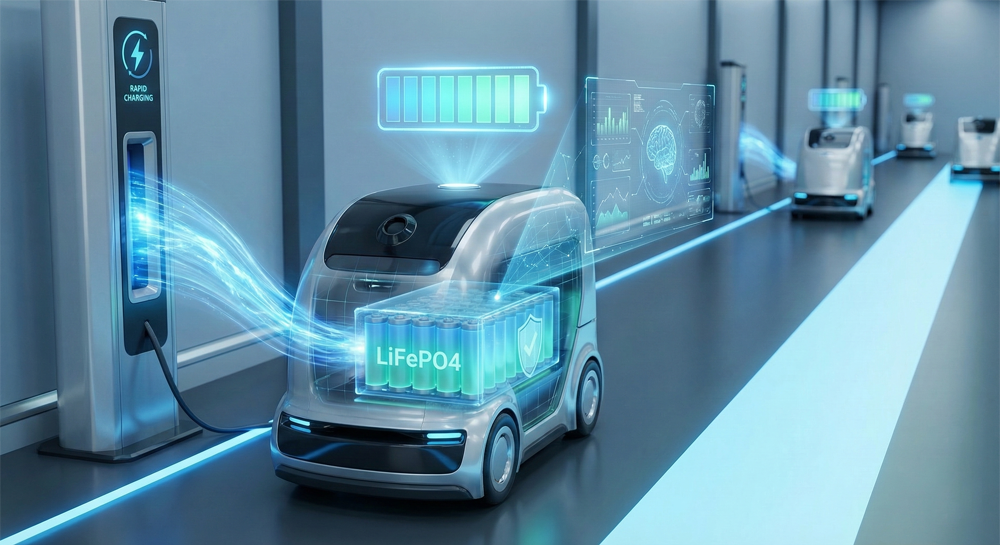
Why Choose Our LiFePO4 Robot Battery Packs?
From autonomous mobile robots and AGV systems to service robots and robot vacuum cleaners, our lithium iron phosphate batteries are engineered for continuous, demanding robotic applications — supporting everything from Roomba and Eufy robot vacuums to Richtech Robotics Matradee Plus and large-scale warehouse AMR fleets.
Extended Runtime for Robot Fleets
High energy density delivers 6–12 hours of continuous operation for service robots, AGVs, and delivery robots. Whether you need a battery for a robotic vacuum, an autonomous mobile robot lithium battery, or a high-capacity pack for industrial automation, our solutions maximize uptime and minimize charging stops.
Fast Charging — 1C to 2C
Our robot battery packs support 1–2C fast charging, enabling rapid turnaround for robot fleets. A 50Ah battery can be fully recharged in 30–60 minutes — ideal for opportunity charging in multi-shift warehouse and logistics environments. Supports battery-powered robots requiring continuous, interruption-free operation.
Smart BMS with Communication Protocols
Advanced battery management with real-time monitoring via CAN bus, RS485, RS232, or SMBus. Enables seamless power management for battery-powered robots including state-of-charge reporting, cell balancing, and fault diagnostics — essential for autonomous mobile robots, robot carts, and robotic scrubbers.
Safe LiFePO4 Chemistry — No Thermal Runaway
LiFePO4 chemistry eliminates thermal runaway risks, making it the safest lithium battery for indoor robot operation. Trusted by manufacturers of service robots, medical robots, educational robots, and battery-powered robotic pool cleaners worldwide.
Robot Battery Configurations
Standard and custom voltage & capacity options for every robot type — from 12V robot batteries and 14.4V vacuum robot batteries to 48V AGV packs and 72V heavy-duty industrial robot batteries

Compact Series
12V – 24V
5–20Ah | Robot vacuum battery, small robot battery, Arduino robot battery, 14.4V robot battery, battery for robot vacuum cleaner

Standard Series
24V – 36V
20–50Ah | Service robot battery, delivery robot battery, battery pack for robot cleaner
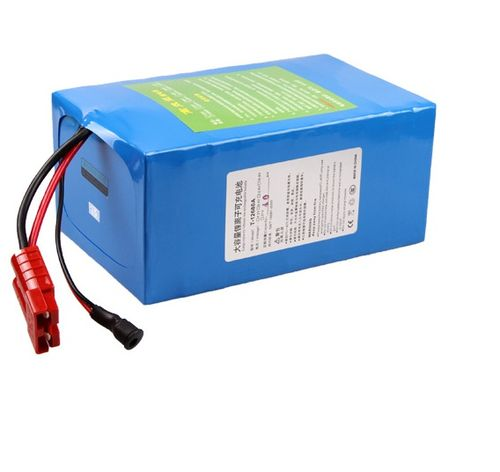
Power Series
48V
50–100Ah | AGV battery, AMR battery, autonomous mobile robot lithium battery, robot cart battery

Heavy-Duty Series
60V – 72V
100–200Ah | Industrial robot battery, mobile robot battery, battery powered robot lawn mower, robotic battery packs
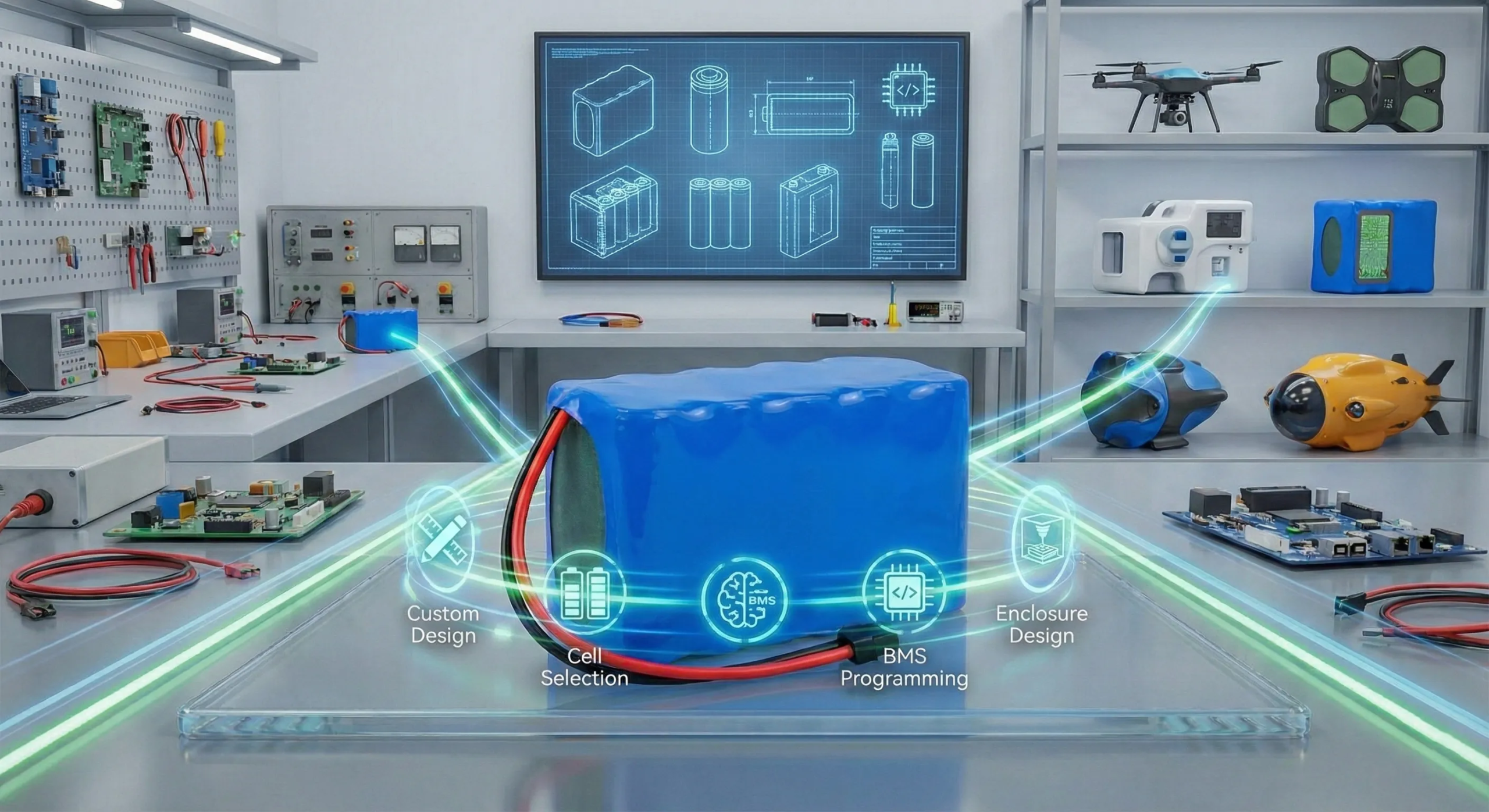
Custom Solutions
Any Voltage
Custom Capacity | OEM robot battery, custom battery packs for robotic devices, biomorphic structural batteries for robotics
Battery Solutions Across Every Robot Category
Purpose-built lithium battery packs for every robotic application — from consumer robot vacuums to enterprise humanoid robots
Humanoid Robots
Custom battery packs for Tesla Optimus, Atlas, and next-generation humanoid robots. High energy density, compact form factor, precision power management.
Robot Vacuum & Cleaning
Replacement and OEM batteries for Roomba, Eufy, Neato, Xiaomi Mi robot vacuum, iLife, Lefant, Wyze, and robotic floor scrubbers. 14.4V–25.9V lithium-ion battery for robot vacuum cleaners.
AGV & Warehouse Robots
24V–48V high-cycle LiFePO4 packs for warehouse logistics, AMR fleets, and automated guided vehicles. Supports continuous vs. battery power for mobile robots.
Delivery & Last-Mile Robots
Lightweight, weatherproof robot battery packs for autonomous delivery robots. Optimized battery requirements for autonomous delivery robots in outdoor environments.
Pool & Outdoor Robots
Battery powered robotic pool cleaners, battery pool robots, and battery powered robot lawn mowers. IP67-rated packs for wet and outdoor environments.
Medical & Education Robots
Safe, certified lithium batteries for medical robots, Pepper robot, NAO robot, Jimu robot, educational programming platforms, and VEX robotics battery systems.
Inspection & Security Robots
Long-runtime battery packs for pipeline inspection robots, security patrol robots, and Spot robot battery systems. Low self-discharge for standby-ready deployment.
Litter Robot & Pet Tech
Backup battery solutions for Litter Robot 3, Litter Robot 4 backup battery, and feeder robot backup battery. Drop-in replacement and OEM configurations available.
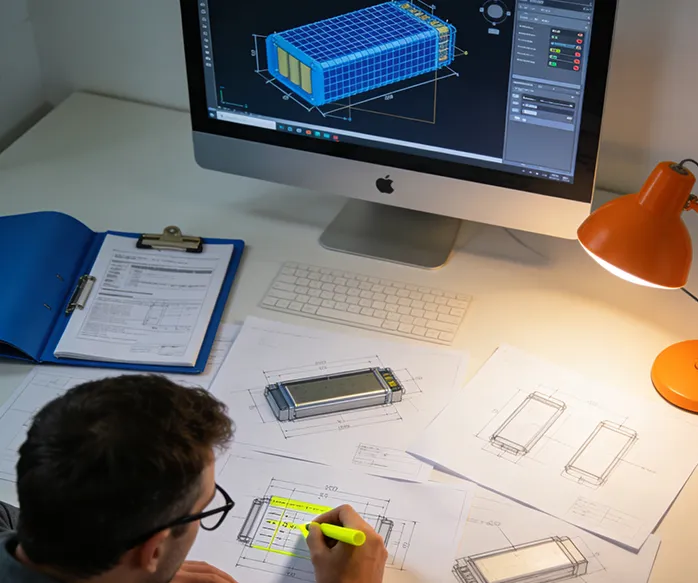
Custom Robot Battery Design — OEM & ODM
Every robot has unique power requirements. Whether you're designing a battery pack for a Richtech Robotics Matradee Plus, an autonomous mobile robot lithium battery for a warehouse fleet, or a custom robotic battery for a unique inspection platform, our engineering team delivers the optimal solution — tailored to your exact voltage, capacity, form factor, and communication needs.
We support custom battery packs for robotic devices across all categories: from 12V small robot batteries and 14.4V robot batteries for vacuum cleaners to 36V 20Ah 21700 robot batteries and high-voltage 72V industrial packs. Full OEM and ODM services available with private-label branding.
- Custom voltage (12V–96V+) and capacity (5Ah–500Ah+) configurations
- Flexible form factors for tight spaces — cylindrical, prismatic, split-pack
- Integrated CAN bus, RS485, RS232, SMBus communication protocols
- Application-specific BMS programming — SOC, SOH, fault reporting
- Rapid prototyping in 2–4 weeks; scalable mass production
- Custom connector types, cable routing, and enclosure design
Why LiFePO4 for Robotics Applications?
Superior performance, safety, and longevity make LiFePO4 the preferred lithium battery chemistry for autonomous robots, robot vacuums, AGV systems, humanoid robots, and industrial automation
High Energy Density
Compact battery pack size with maximum capacity — ideal for battery-powered robots with tight weight and space budgets
2000+ Cycle Life
Long robot battery life reduces total cost of ownership. Top-tier robotic scrubbers and AGV fleets achieve 3000–5000 cycles in real-world operation
Fast Charging Support
1–2C charging minimizes robot downtime. Ideal for opportunity charging in warehouse, logistics, and multi-shift robotics environments
Safe Indoor Chemistry
No thermal runaway — the only responsible choice for indoor service robots, medical robots, and educational robots operating near people
Wide Temperature Range
-20°C to 60°C operating range supports delivery robots, outdoor inspection robots, and battery-powered robot lawn mowers in all climates
Flat Discharge Curve
Stable voltage throughout the discharge cycle ensures consistent robot motor performance and predictable battery life in wearable robotics and mobile robots
Intelligent BMS
Advanced power management for battery-powered robots — real-time SOC/SOH monitoring, cell balancing, and multi-protocol communication
Eco-Friendly & Recyclable
Non-toxic, RoHS-compliant materials. The responsible choice for robotics battery packs across consumer, commercial, and industrial markets
Technical Specifications
Key performance metrics for our robot battery solutions — covering everything from 12V small robot batteries to 72V heavy-duty industrial robot battery packs
Robot Battery Applications
Purpose-built battery solutions for every category of smart robot — from consumer robot vacuums to enterprise autonomous systems
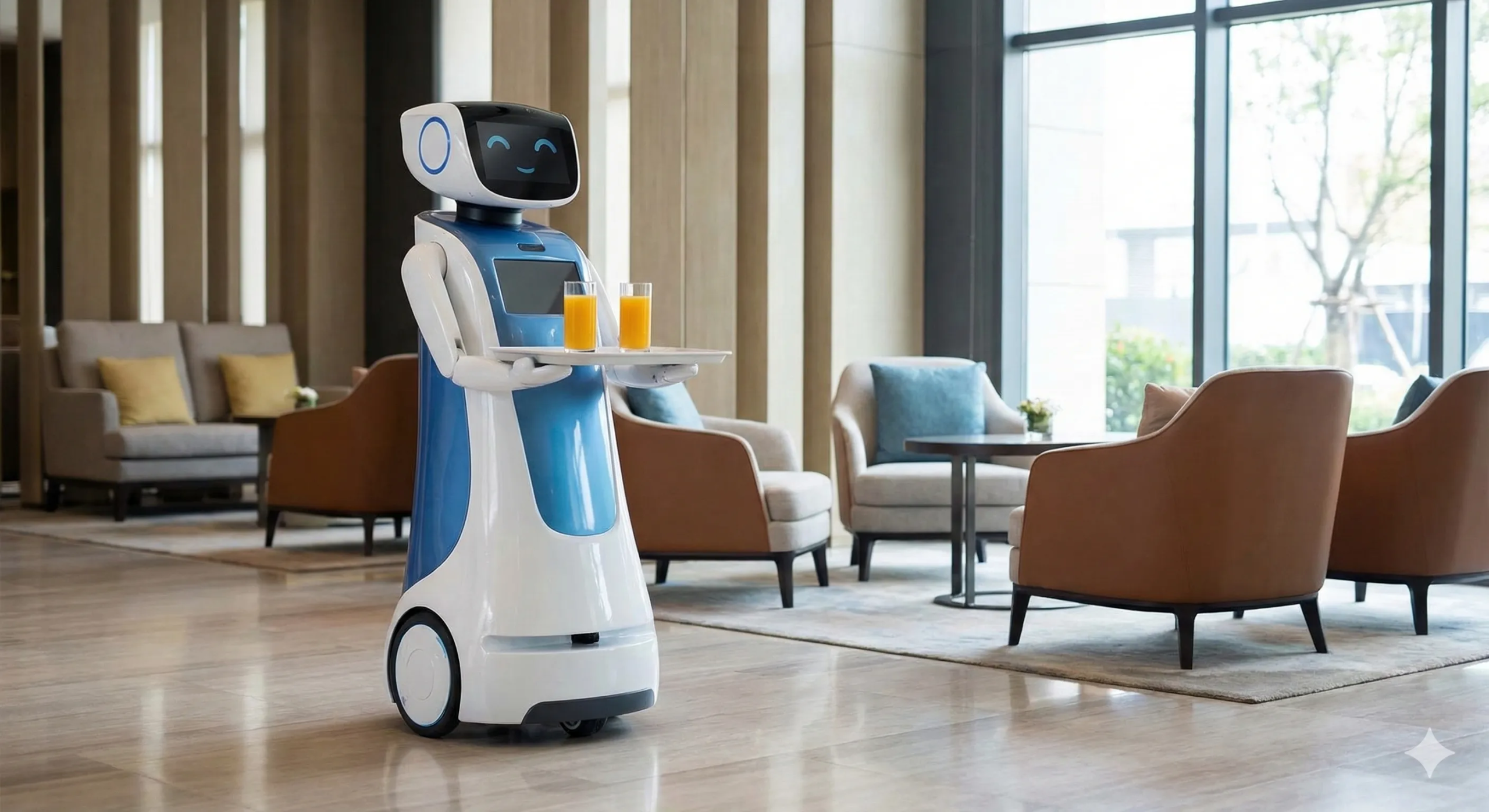
Service Robots
Hotel service robots, restaurant server robots (including Richtech Robotics Matradee Plus battery life and charging time), cleaning robots, and customer service assistants. 24V–48V LiFePO4 packs with 6–12 hour runtime and smart BMS integration.
AGV & AMR
Autonomous guided vehicles and autonomous mobile robots for warehouse and manufacturing. High-cycle 48V 50–200Ah lithium battery packs with CAN bus BMS, vibration resistance, and opportunity charging support.
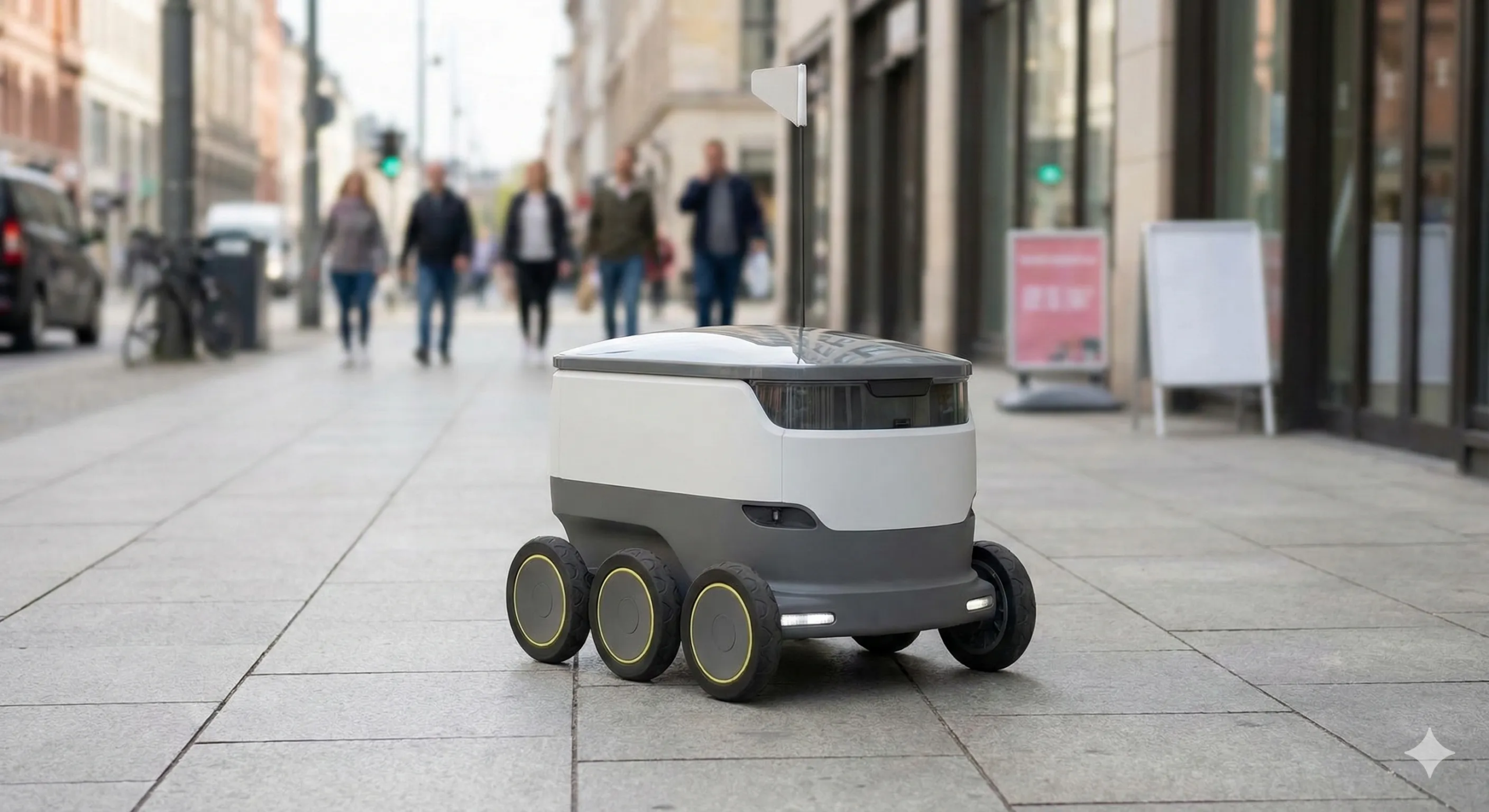
Delivery Robots
Last-mile delivery robots, food delivery bots, and autonomous parcel delivery systems. Weatherproof, wide-temperature LiFePO4 packs optimized to meet battery requirements for autonomous delivery robots.

Industrial Automation
Robotic arms, assembly line robots, FANUC robot batteries, ABB robot batteries, pick-and-place systems, and automated machinery. Includes backup battery systems for robot memory protection and safe shutdown.

Educational & Hobbyist Robots
STEM robots, VEX robotics battery, REV robotics battery, Cozmo robot battery, Vector robot battery, Edison robot batteries, Jimu robot battery, and battery for Arduino robot projects. Safe, reliable power for learning environments.
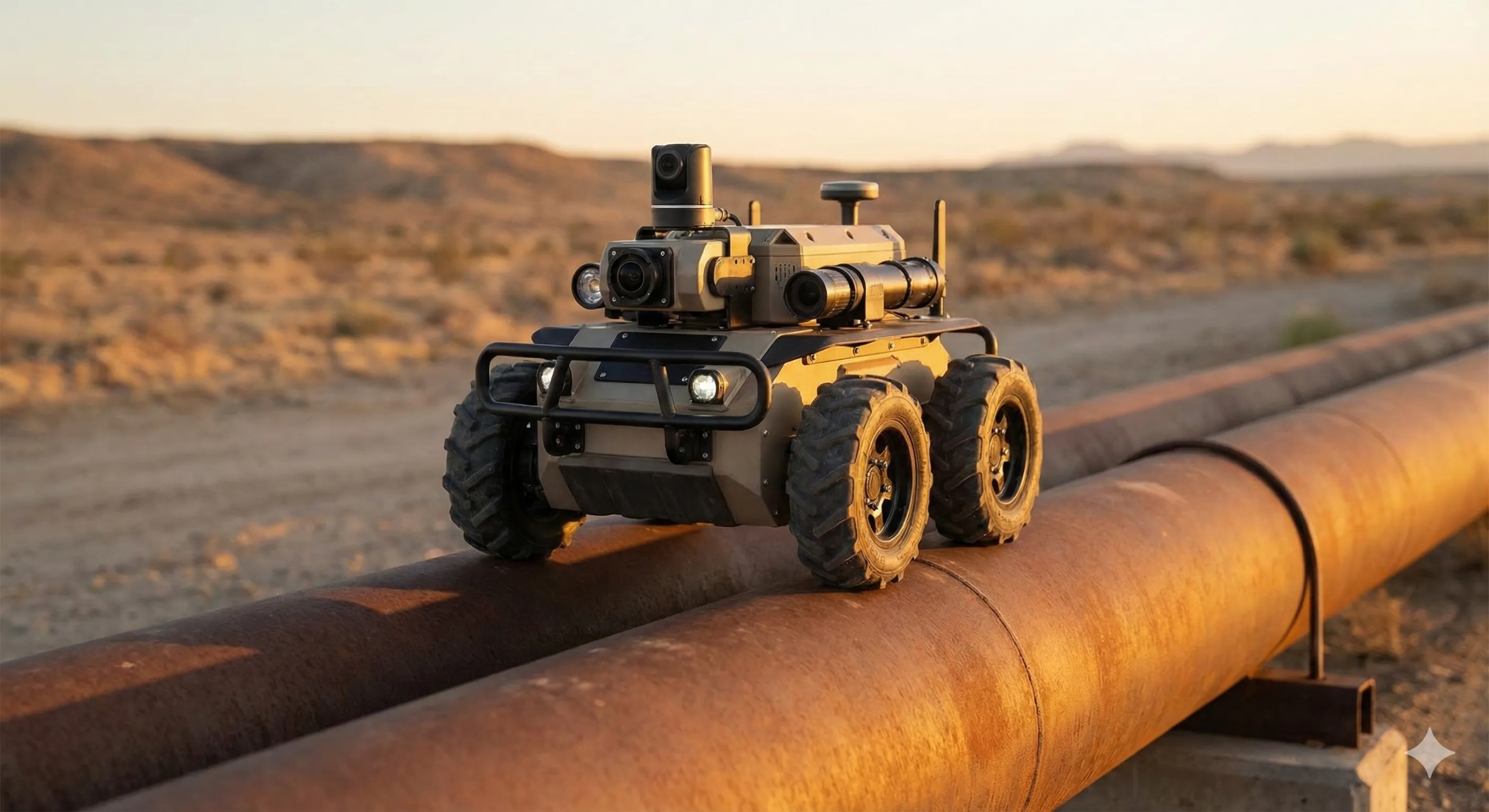
Inspection & Security Robots
Pipeline inspection robots, structural monitoring systems, and security patrol robots including Spot robot battery solutions. IP65+ ruggedized packs with long standby runtime and low self-discharge.
Quality Assurance & Cell Selection
Premium Grade A LiFePO4 Cells
We use only Grade A LiFePO4 cells from certified top-tier manufacturers, ensuring consistent performance, long robot battery life, and the reliability demanded by industrial and commercial robotic applications — from robot vacuums to humanoid robots.
Rigorous Multi-Stage Testing
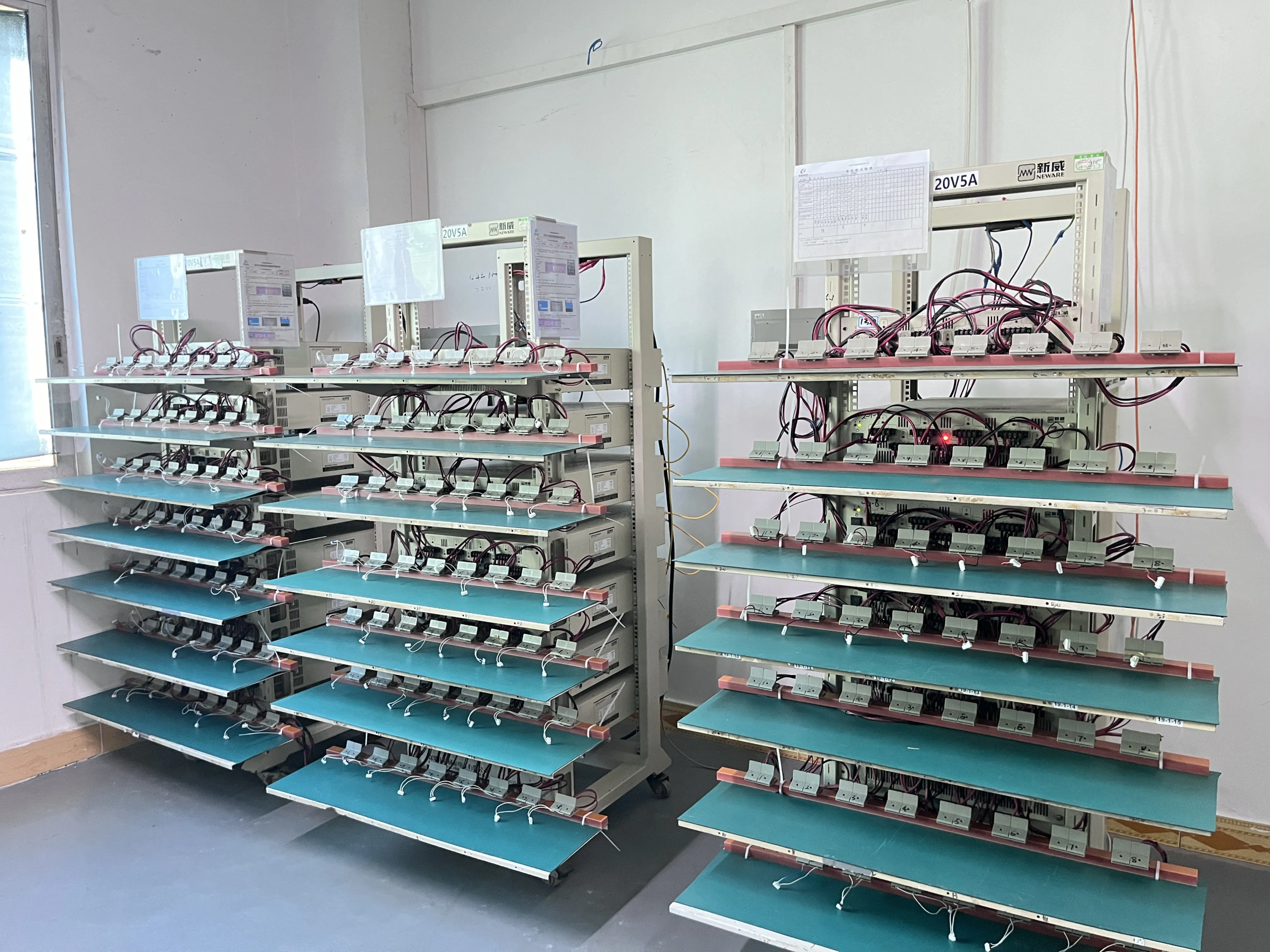
Every robot battery pack undergoes comprehensive testing: capacity verification, voltage matching, internal resistance measurement, BMS communication validation, vibration testing, and full safety validation — guaranteeing stable quality for bulk robot battery orders.
Precision Cell Matching
Precise cell matching ensures balanced performance, prevents premature cell failure, and extends overall battery pack lifespan — critical for multi-shift robotic scrubbers, AGV fleets, and battery-powered robots in continuous operation.
Certifications & Compliance for International Robot Battery Markets


Robot Battery FAQ
Expert answers to common questions about robot battery solutions, specifications, customization, and support
LiFePO4 (lithium iron phosphate) batteries are the top choice for AGV and AMR robots. They offer 2000+ charge cycles, stable voltage output, fast 1–2C charging, and integrated BMS with CAN/RS485 communication. Common configurations include 24V–48V packs ranging from 50Ah to 200Ah depending on payload and runtime requirements.
Industrial robots such as FANUC robots and ABB robots typically use lithium-ion or LiFePO4 battery backup systems to protect memory and enable safe shutdown. Mobile industrial robots use high-capacity 24V–72V LiFePO4 packs engineered for multi-shift operation and demanding factory environments.
Service robots — including hotel delivery robots, restaurant server robots like the Richtech Robotics Matradee Plus, and reception assistants — typically need 24V–48V LiFePO4 battery packs with 20–100Ah capacity, offering 6–12 hours of continuous operation, fast charging, and smart BMS with real-time monitoring.
Humanoid robots like Tesla Optimus and Atlas require compact, high energy-density battery packs with precise power management — often custom-shaped to fit body cavities. Mobile robots prioritize long runtime and fast opportunity charging. Both benefit from LiFePO4 chemistry for safety, cycle life, and stable discharge performance.
For robot vacuum cleaners and robot mops — including Xiaomi Mi Robot, Roomba, Eufy, Neato, iLife, and Lefant — 14.4V–25.9V lithium-ion or LiFePO4 battery packs are standard. Industrial robotic scrubbers use 24V–48V high-capacity packs engineered for extended battery life and multi-shift continuous operation.
Warehouse and logistics robots require high-cycle, fast-charging 24V–48V LiFePO4 battery packs. Key features include opportunity charging support, CAN bus BMS communication for fleet management, vibration resistance, and IP65 protection for the demanding warehouse environment.
Last-mile and autonomous delivery robots need compact, lightweight LiFePO4 battery packs with 24V–48V and 20–80Ah capacity. Wide operating temperature range (-20°C to 60°C), long cycle life, and a smart BMS are critical to meet battery requirements for autonomous delivery robots in real-world outdoor conditions.
Pipeline inspection robots, security patrol robots, and structural monitoring robots require rugged, waterproof (IP65+) battery packs with 12V–48V configurations. Long runtime per charge, low self-discharge, and reliable cold-temperature performance are the key priorities for field-deployed inspection systems.
Medical and healthcare robots require certified, zero-thermal-runaway battery solutions. LiFePO4 packs with IEC 62133, CE, and UL certification are ideal. Custom form factors, silent BMS operation, and precise state-of-charge monitoring are essential for safe and reliable operation in sensitive healthcare environments.
Key factors include required voltage and capacity (Ah), available space and weight limits, operating temperature range, charging infrastructure, communication protocol needs (CAN/RS485/SMBus), and safety certification requirements for your target market. Our engineers will help you define the optimal robot battery specification from the ground up.
Yes. We provide full OEM and ODM robot battery services for manufacturers worldwide. This includes custom BMS firmware, branded enclosures, private-label documentation, and dedicated engineering support from prototype through mass production — with experience across consumer, commercial, and industrial robotic applications.
Absolutely. We customize every aspect of the robot battery pack: voltage (12V to 96V+), capacity (5Ah to 500Ah+), physical dimensions, cell arrangement (cylindrical, prismatic, or pouch), connector type, and cable length. Prototypes are typically delivered within 2–4 weeks, with scalable mass production capability.
Every robot battery pack includes multi-layer protection: overcharge, over-discharge, overcurrent, short circuit, temperature monitoring (during both charging and discharging), cell balancing, and secondary protection circuits for redundancy. All packs are UN38.3 certified for safe international transport.
Yes. Our smart BMS supports real-time monitoring of voltage, current, temperature, and state of charge (SOC/SOH) via CAN bus, RS485, RS232, or SMBus. Data integrates directly into your robot's management or fleet software system, enabling proactive power management for battery-powered robots.
Our LiFePO4 robot battery packs are rated for 2000+ charge cycles at 80% depth of discharge (DOD). With proper charging conditions and appropriate storage, many customers achieve 3000–5000 cycles in real-world robotic deployments, delivering excellent total cost of ownership.
All cells are Grade A from certified manufacturers. Every battery undergoes capacity testing, internal resistance measurement, voltage matching, BMS communication validation, and safety certification before shipment. We maintain ISO 9001-compliant production processes and provide full traceability documentation for every batch.
Yes. Our batteries support 1C to 2C fast charging — a 50Ah robot battery can be fully recharged in 30–60 minutes. BMS parameters can be customized for opportunity charging scenarios, enabling partial top-ups between robot missions without degrading cycle life or long-term battery health.
Our robot battery packs are engineered for demanding continuous-use environments. Reinforced cell holders, welded busbars, and robust enclosures prevent vibration-induced damage. Active thermal management and precision cell balancing maintain stable performance across 24/7 multi-shift operation in AGV fleets, robotic scrubbers, and mobile robots.
We support CE, RoHS, UN38.3, UL, FCC, IEC 62133, and ISO 9001 certifications for international robot battery markets. Additional regional certifications including KC (Korea), PSE (Japan), and BIS (India) can be arranged based on your target market and product category requirements.
We provide a 5-year product warranty and dedicated technical support including BMS configuration assistance, system integration guidance, and on-site support for large-scale robotic deployments. Our engineering team is available for the full product lifecycle — from first prototype to ongoing mass production support.


Nuranu Wechat

 English
  German
  Spanish
  French
  Italian
  Polish
  Russian
  Thai
Thai  Turkish
  Japanese
  Korean