
High-Reliability LiFePO4 Telecom Battery Backup Systems
48V Telecom Battery Manufacturer for 5G Base Stations, BTS Sites, Telecom Tower Battery Banks & Communication Infrastructure
Custom telecom battery systems and OEM telecom battery manufacturer — supplying 48V telecom lithium batteries, telecom lithium ion batteries, outdoor telecom battery cabinets, and telecom battery monitoring systems for telecom towers, base stations, microwave links, edge data centers, and solar telecom sites worldwide. Compatible replacement and upgrade for VRLA, Northstar telecom batteries, C&D telecom batteries, and Exide telecom batteries across all standard telecom battery rack configurations.
Why Choose Our Telecom Batteries?
LiFePO4 telecom battery systems engineered for the demanding reliability, temperature, and monitoring requirements of 4G/5G base stations, BTS tower battery banks, outdoor telecom cabinets, and critical communication infrastructure — with full telecom battery management systems and remote monitoring integration
Telecom-Grade Reliability — 99.999% Uptime
Our telecom backup batteries and telecom battery backup systems are designed for carrier-grade five-nines uptime requirements. Redundant protection circuits, fail-safe BMS design, and NEBS Level 3 compliance make our lithium telecom batteries the trusted choice for base station backup — replacing legacy VRLA, Northstar telecom batteries, C&D telecom batteries, and Exide telecom battery installations worldwide across the growing telecom battery market.
10+ Year Float Life — Lowest Telecom Battery TCO
10+ years in standby dramatically reduces replacement frequency and field service OPEX across large telecom battery portfolios. As the telecom battery market shifts from VRLA to lithium ion telecom batteries, operators report 40–60% lower 10-year total cost of ownership — driven by fewer replacements, reduced maintenance, and lower cooling costs per telecom tower battery string. Telecom battery price advantage compounds over time.
Space & Weight Savings in Telecom Battery Rack
60–70% lighter than equivalent VRLA with 50% smaller footprint — enabling more capacity per telecom battery rack or outdoor telecom cabinet. Our 48V telecom lithium battery and high-density batteries for telecom applications fit standard 19" telecom battery rack configurations, maximizing backup capacity within existing site space. Also available as 51.2V stackable telecom battery systems for scalable installations.
High-Temperature Performance for Outdoor Telecom Cabinets
Operates reliably at 55–60°C in outdoor telecom cabinet environments — critical for tropical deployments and remote telecom sites. Optional battery heater for telecom cabinet installations extends cold-climate performance. IP65-rated enclosures protect against dust, humidity, and environmental exposure at unmanned telecom tower sites. Wide temperature range is the key advantage of lithium batteries for telecom towers over VRLA alternatives.
Telecom Battery Systems
Standard and custom 48V telecom battery configurations for BTS sites, telecom tower battery banks, outdoor cabinets, and telecom battery rack installations — including 48V telecom lithium battery, lithium ion batteries for telecom, and replacement for legacy VRLA telecom batteries
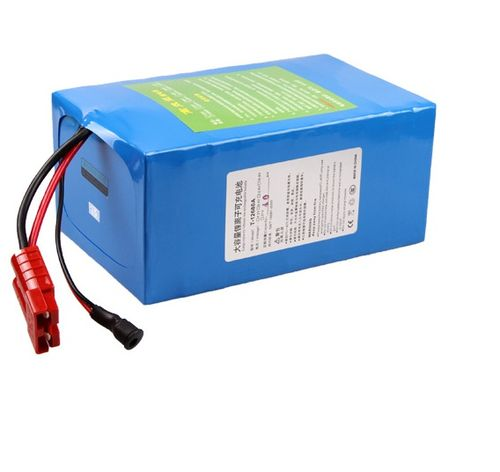
48V 50Ah Compact BTS
- Voltage: 48V LiFePO4 (15S)
- Capacity: 50Ah | Energy: 2.4kWh
- Backup: 1–2 hours
- Comm: RS485 / CAN
- Rating: Indoor / outdoor
Small cell sites, rural base stations, low voltage batteries for telecom, 12V telecom battery string replacement configurations.
Contact Engineer
48V 100Ah Standard BTS
- Voltage: 48V LiFePO4 (15S)
- Capacity: 100Ah | Energy: 4.8kWh
- Backup: 2–4 hours
- Comm: SNMP / Modbus / RS485
- Rating: NEBS Level 3
4G/5G macro base stations. Most popular 48V 100Ah telecom battery — direct replacement for Northstar, C&D, Exide 100Ah VRLA strings in standard telecom battery rack configurations.
Contact Engineer
48V 200Ah Extended Backup
- Voltage: 48V LiFePO4 (15S)
- Capacity: 200Ah | Energy: 9.6kWh
- Backup: 6–8 hours
- Comm: SNMP / Modbus TCP
- Use: Critical sites, solar hybrid
Critical telecom sites and extended runtime. Also used as telecom backup batteries for solar telecom hybrid systems requiring daily deep-cycle operation. Replaces used telecom batteries in high-capacity installations.
Contact Engineer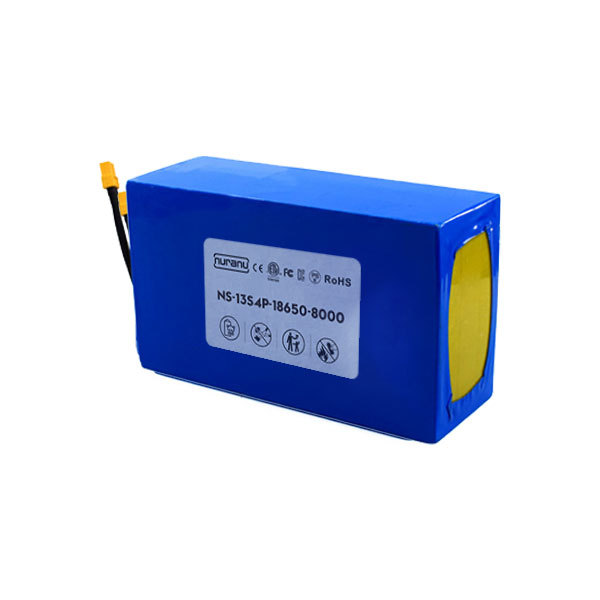
48V 100Ah Outdoor Cabinet
- Voltage: 48V LiFePO4
- Capacity: 100Ah
- Rating: IP65 outdoor telecom
- Temp: -20°C to 60°C
- Option: Battery heater for cabinet
Outdoor telecom shelters and remote sites. Telecom cabinet with battery compartment, integrated thermal management, and optional battery heater for telecom cabinet in cold climates. Telecom tower battery price-competitive with VRLA over 10 years.
Contact Engineer
Custom Telecom Configuration
- Voltage: 12V / 24V / 48V / 51.2V
- Capacity: 20–500Ah per string
- Features: Custom BMS & monitoring
- Mounting: Rack / cabinet / wall
- Integration: Solar, hybrid, grid
Customized telecom battery solution provider — OEM/ODM telecom battery pack for operators and tower companies. Telecom battery bank parallel configurations, telecom battery suppliers for bulk and project orders worldwide.
Contact EngineerCustomization Options for Telecom Battery Systems
As a customized telecom battery solution provider and OEM telecom battery manufacturer, we tailor every aspect of the telecom battery system — voltage, capacity, cabinet form factor, BMS communication, and solar integration — to your network's exact requirements
Voltage & Capacity
48V telecom battery standard; 12V telecom battery and 24V telecom battery also available. 20Ah–500Ah per string — scalable telecom battery bank via parallel strings. 51.2V stackable telecom battery for high-density installations.
Form Factor & Telecom Battery Rack
19" telecom battery rack mount, wall-mount, outdoor IP65 telecom battery cabinet, and floor-standing enclosures. Custom telecom cabinet with battery compartment dimensions for retrofit into existing telecom shelters.
Telecom Battery Management Systems
Remote monitoring via SNMP, Modbus TCP/RTU, RS485, CAN bus, and proprietary NMS. Real-time SOC/SOH reporting, telecom tower battery monitoring system integration, and predictive maintenance analytics.
Enclosures & Thermal Management
Indoor rack, outdoor IP65 telecom battery cabinet, and temperature-controlled enclosures. Battery heater for telecom cabinet in cold climates; active cooling for high-temperature outdoor telecom sites.
Parallel Systems & Battery Bank
Scalable battery bank in telecom towers via parallel string architecture. N+1 redundancy, hot-swap capability, and per-string BMS monitoring — supporting battery bank installation in telecom at any scale.
System Integration & Solar
Compatible with all major telecom rectifiers and 48V telecom battery charger systems. Solar hybrid power support — telecom batteries for solar off-grid sites with MPPT controller compatibility and grid/solar/battery management.
Why LiFePO4 for Telecom Battery Applications?
LiFePO4 lithium telecom batteries deliver superior total cost of ownership — replacing VRLA, Northstar telecom batteries, C&D telecom batteries, and gel batteries across base station, BTS, and telecom tower battery bank applications. The fastest-growing segment of the telecom battery market.
Lower Telecom Battery TCO
40–60% savings vs VRLA over 10 years — the primary driver of telecom battery market share growth
Longer Float Life
10+ years vs 3–5 for VRLA — fewer replacements across telecom tower battery portfolios
Space Efficiency
High-density batteries for telecom — 50–70% smaller telecom battery rack footprint
Higher Efficiency
95%+ round-trip reduces cooling costs in outdoor telecom battery cabinet
Reduced Maintenance
No water checks — maintenance-free telecom battery management across all sites
Telecom Battery Technical Specifications
Detailed specifications for our LiFePO4 telecom battery systems — from 48V telecom battery standard configurations through custom telecom battery rack and outdoor cabinet solutions for all telecom tower battery applications
| Parameter | Telecom Battery Specification |
|---|---|
| System Voltage | 48V DC standard (43.2V–58.4V); 12V, 24V, 51.2V stackable telecom battery also available |
| Capacity Range | 20Ah–500Ah per string (scalable via parallel battery bank in telecom) |
| Float Life | >10 years @ 25°C — 3× Northstar / C&D / Exide VRLA telecom battery lifespan |
| Cycle Life | >3000 cycles @ 80% DOD — optimized for solar telecom and hybrid sites |
| Backup Time | 2–8+ hours configurable (battery bank in telecom tower parallel strings for extended runtime) |
| Operating Temperature | -20°C to 60°C; battery heater for telecom cabinet option for cold climates |
| Efficiency | >95% round-trip — reduces cooling costs in outdoor telecom battery cabinet |
| Communication | RS485, CAN, SNMP, Modbus TCP — full telecom battery monitoring system integration |
| Protection Rating | Standard to IP65 (outdoor telecom battery cabinet configurations) |
| Certifications | NEBS Level 3, UL, CE, UN38.3, IEC 62133, ISO 9001 |
| MTBF | >100,000 hours |
| BMS Functions | SOC, SOH, cell balancing, alarm, low-voltage cutoff, temperature monitoring, predictive maintenance |
Telecom Battery TCO: LiFePO4 vs. VRLA
10-year total cost of ownership analysis — why the telecom battery market is transitioning from VRLA to lithium ion telecom batteries, replacing Northstar telecom batteries, C&D telecom batteries, and Exide telecom batteries at scale
| Cost Factor | LiFePO4 Lithium Telecom Battery | VRLA Lead-Acid Telecom Battery |
|---|---|---|
| Initial Telecom Battery Price | Higher (1.5–2×) upfront | Lower initial telecom batteries prices |
| Telecom Battery Lifespan | 10+ years ✓ | 3–5 years |
| Replacements (10-year) | 0–1 ✓ | 2–3 replacement cycles |
| Telecom Battery Maintenance | Minimal — no field checks ✓ | Quarterly site visits |
| Cooling Cost in Cabinet | Lower (95%+ efficiency) ✓ | Higher heat generation |
| Telecom Battery Rack Space | 50–70% smaller footprint ✓ | Larger space requirement |
| Telecom Battery Recycling | Lower-toxicity lithium ✓ | Lead — strict disposal regulations |
| Total 10-Year TCO | 40–60% lower ✓ | Higher total cost |
Telecom Battery Applications
LiFePO4 telecom backup batteries and telecom battery systems for the full spectrum of telecommunications infrastructure — from 5G base stations and BTS tower battery banks to edge data centers, solar telecom sites, and emergency communication systems

5G Base Stations
High-density 5G macro and small cell sites. 48V telecom lithium battery with high peak discharge for 5G Massive MIMO radios. Telecom battery monitoring system integration for large-scale tower portfolios. Telecom base station backup battery 48V standard configurations.

4G/LTE Base Stations
Macro sites and rural coverage. Battery bank in telecom tower replacing legacy VRLA strings — with 48V telecom battery charger upgrade to lithium-compatible rectifier settings. Battery bank installation in telecom for single and multi-string configurations.
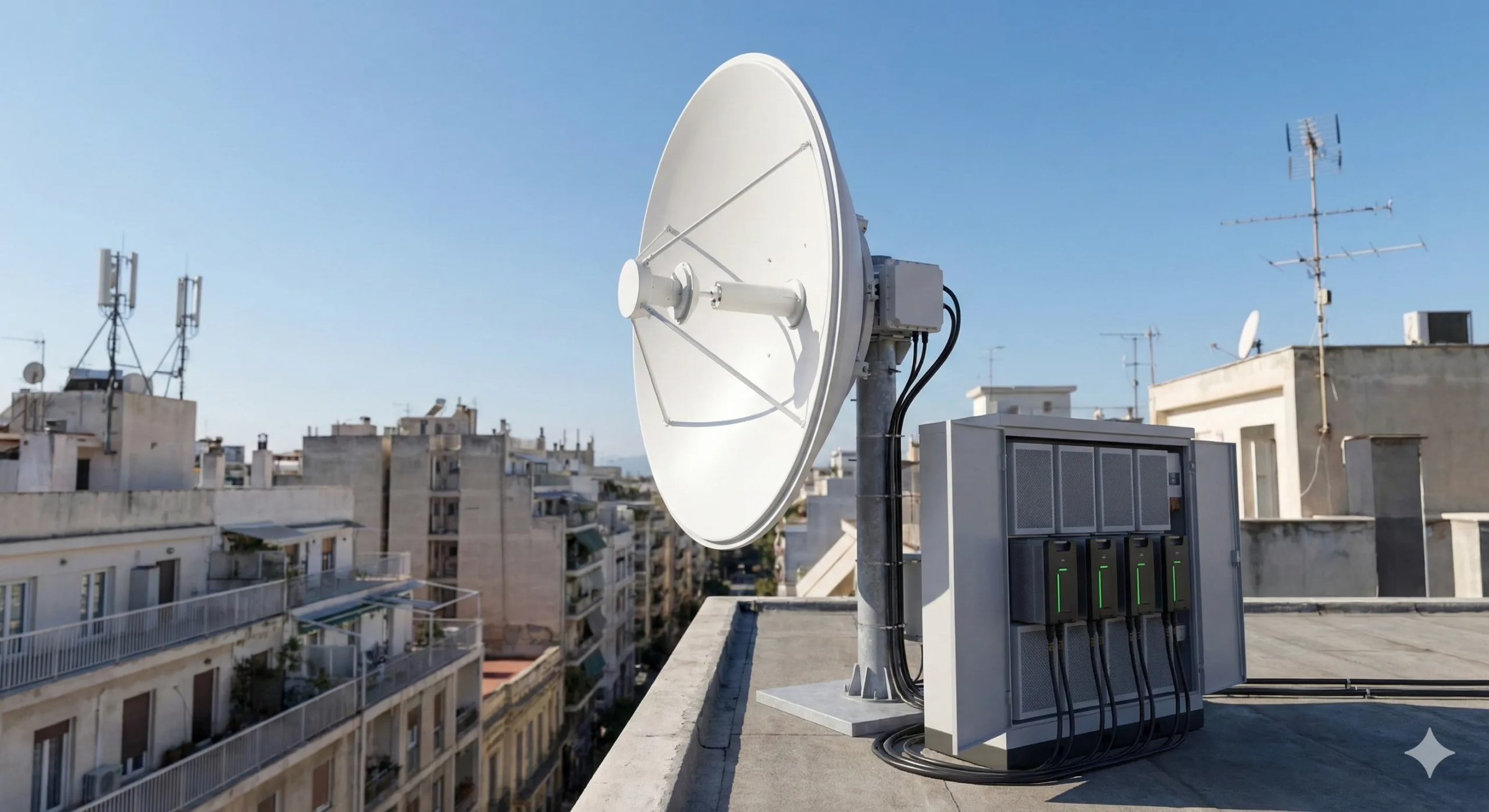
Microwave & Transmission
Backhaul equipment, fiber nodes, and microwave relay stations. Compact 12V and 48V telecom battery systems for space-constrained microwave tower sites. Low voltage batteries for telecom and low voltage battery for telecom backhaul applications.

Data Centers & Edge Computing
Edge computing nodes and co-location facilities. 48V telecom battery rack systems with SNMP and Modbus monitoring for DCIM platform integration. Telecom & networking power supply batteries for edge deployments requiring carrier-grade reliability.

Outdoor Cabinets & Solar Telecom Sites
Remote and off-grid telecom sites. Telecom batteries for solar with deep-cycle BMS profiles. Outdoor IP65 telecom battery cabinet with battery heater for cold climates. China telecom and global operator deployments — battery for energy storage in telecom market applications.
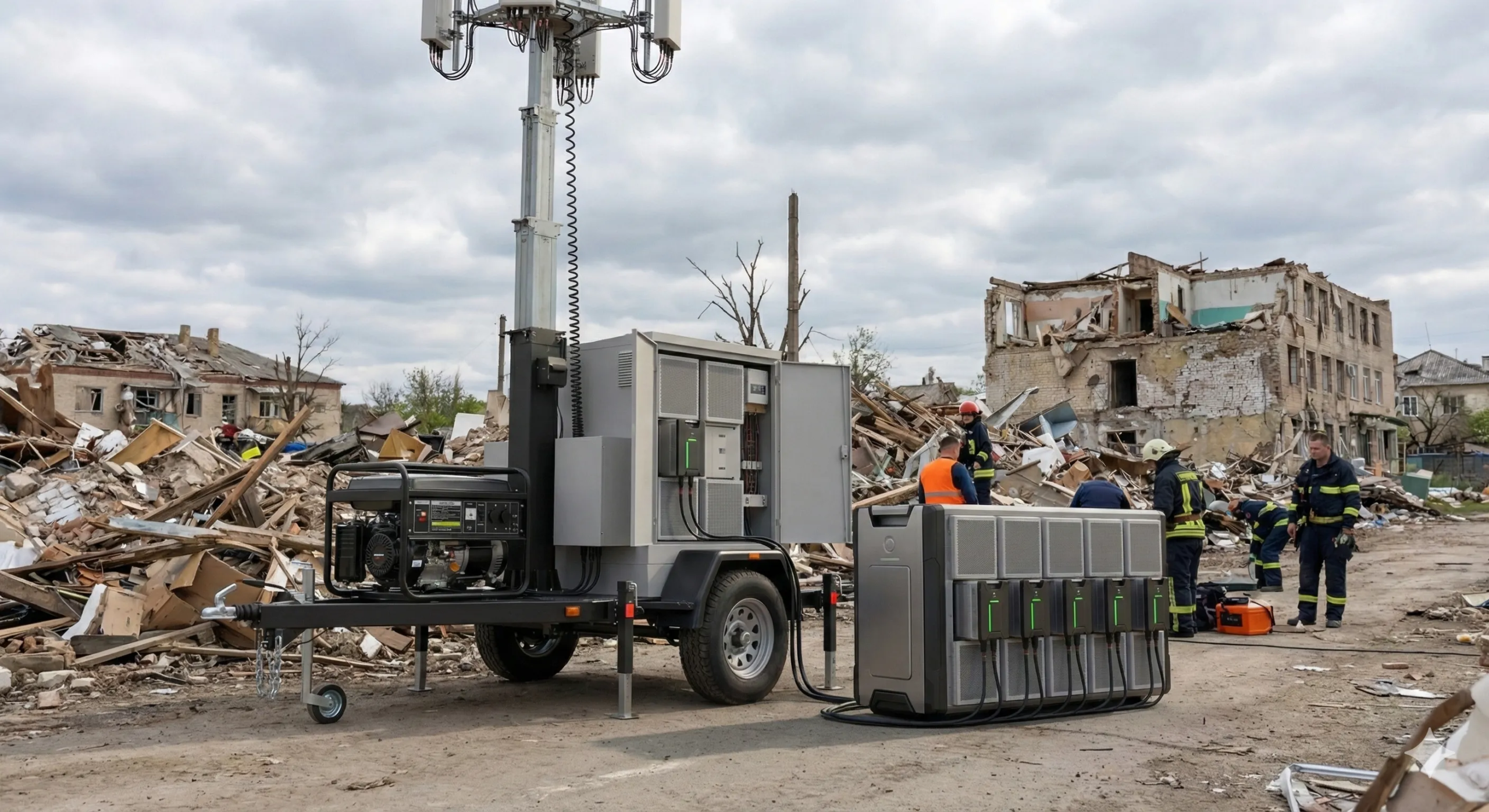
Emergency Communication Systems
COWS, disaster recovery nodes, and public safety communication. Telecom battery backup systems for emergency communication infrastructure requiring guaranteed runtime — including telecom battery bank installation for temporary coverage and rapid deployment sites.
Telecom Battery System Integration & Monitoring
Seamless integration of our lithium telecom batteries with existing telecom DC power infrastructure, rectifier systems, and network management platforms — including telecom battery monitoring and solar telecom power integration
- Direct integration with telecom rectifiers and 48V DC power systems — no infrastructure changes required for standard telecom battery rack replacement from VRLA
- Telecom battery monitoring via SNMP, Modbus TCP/RTU, RS485, CAN bus — compatible with all major NMS and OSS platforms used by telecom operators globally
- Real-time SOC, SOH, cell voltage, current, temperature, and alarm reporting — full telecom tower battery monitoring system integration
- Predictive maintenance and battery health analytics — reducing unplanned site visits across large telecom battery portfolios, cutting battery usage IoT telecom data costs
- N+1 redundancy and parallel battery bank in telecom configurations — scalable from single-string to multi-megawatt-hour telecom battery bank installations
- Seamless hot-swap and field replacement — minimizing site downtime during telecom battery upgrade and telecom battery testing operations
- Solar and hybrid power integration — telecom batteries for solar sites with MPPT controller compatibility, including china telecom installing solar with battery bank in telecom configurations
- 48V telecom battery charger compatibility — supports all major rectifier manufacturers for lithium ion batteries for telecom upgrade from VRLA
Telecom Battery FAQ
Expert answers to common questions about telecom battery systems, 48V telecom battery configurations, telecom battery management systems, telecom battery monitoring, and OEM telecom battery solutions for global operators and tower companies
A telecom battery is a rechargeable backup power source used in telecommunications infrastructure — including base stations, BTS sites, remote communication stations, microwave links, and edge data center nodes — to maintain continuous operation during grid power outages. Telecom batteries are typically connected to 48V DC power systems and must deliver reliable, high-cycle performance across a wide temperature range. The telecom battery market includes VRLA, gel, and rapidly growing lithium ion telecom battery technologies.
48V DC has been the global telecom industry standard since the early days of telephone exchanges. At 48V, power is distributed efficiently over long cable runs with manageable current levels, reducing heat and losses. Modern 48V telecom lithium battery systems — including LiFePO4 — integrate directly with standard telecom rectifiers and DC power infrastructure, making them a natural drop-in upgrade from legacy VRLA telecom batteries without requiring infrastructure changes.
The global telecom battery market is a multi-billion dollar industry driven by 5G network rollout, tower densification, and the large-scale shift from VRLA to lithium ion telecom batteries. Telecom battery market size and market share are growing rapidly as operators replace aging Northstar telecom batteries, C&D telecom batteries, and Exide telecom battery installations with LiFePO4 — attracted by 40–60% lower 10-year TCO. Telecom battery market news consistently reports accelerating lithium adoption.
Telecom backup batteries have historically used VRLA and gel batteries. The telecom battery market is rapidly transitioning to lithium iron phosphate (LiFePO4) and lithium ion telecom batteries due to superior cycle life (3000+ cycles), lower TCO, 60–70% weight reduction, and reliable operation in high-temperature outdoor telecom cabinet environments that significantly degrade VRLA performance and shorten telecom battery lifespan.
Batteries are the critical backup power source that keeps telecom base stations, BTS equipment, and communication networks operational when the grid fails. In areas with unreliable power — common across Africa, Southeast Asia, and remote regions — telecom tower batteries may carry the primary load for hours or days. Battery bank in telecom tower installations must be precisely sized for backup runtime requirements while minimizing capital and operating cost across large tower portfolios.
Telecom tower batteries are typically 48V LiFePO4 or VRLA systems ranging from 50Ah to 500Ah per string. Common configurations include 48V 100Ah telecom batteries for standard macro BTS, 48V 200Ah for extended backup, and parallel battery bank installations for high-load or critical sites. Outdoor IP65 telecom battery cabinets with integrated heating and cooling are standard for remote telecom tower battery installations in harsh environments.
Key selection factors: required backup runtime (2–8+ hours), load current, available space and weight limits, operating temperature range, communication protocol requirements (SNMP, Modbus, RS485, CAN), and installation environment (indoor telecom battery rack or outdoor IP65 telecom battery cabinet). Our engineers provide complete telecom battery system design including battery bank sizing, BMS configuration, and rectifier integration guidance.
Our LiFePO4 telecom batteries deliver 10+ year float life and 3000+ cycles at 80% DOD — compared to 3–5 years for VRLA telecom batteries. Extended float life directly reduces OPEX by cutting replacement frequency, field service visits, and logistics costs across large telecom tower battery portfolios. This is the primary driver of telecom battery market growth toward lithium technologies and the shift away from used telecom batteries and surplus telecom battery reliance.
Our telecom battery systems are rated for -20°C to 60°C operation. For high-temperature outdoor telecom cabinet installations, the BMS includes temperature-compensated charging algorithms. Optional battery heater for telecom cabinet extends reliable cold-climate operation. IP65-rated enclosures protect against dust, water, and environmental exposure at unmanned remote telecom sites — maintaining performance where VRLA batteries for telecom towers fail prematurely.
All telecom battery systems include: overcharge, over-discharge, overcurrent, short circuit, temperature monitoring (cell and ambient), cell balancing, and low-voltage cutoff. The telecom battery management system provides real-time SOC, SOH, and alarm reporting via RS485, CAN, SNMP, or Modbus. Secondary protection circuits ensure fail-safe operation in unmanned remote telecom sites — critical for telecom battery backup systems with no on-site personnel.
Yes. Our telecom backup battery systems can be configured for 2–8+ hours at full BTS load. Parallel battery bank configurations in telecom towers support extended runtime — from overnight backup in areas with daily outages to multi-day autonomy when combined with solar telecom power. Battery bank installation in telecom follows standard parallel-string architecture with per-string fusing and BMS monitoring — supporting the telecom battery back up requirements of any site.
Yes. As an experienced telecom battery manufacturer, we offer full OEM and ODM services for telecom operators, tower companies, and equipment OEMs worldwide. Services include custom BMS firmware, private-label telecom battery cabinets, branded documentation, and dedicated engineering support from prototype through mass production. We are a China customized telecom battery solution provider factory with manufacturer and supplier capability across all standard telecom battery configurations.
Absolutely. We customize: voltage (12V, 24V, 48V, 51.2V stackable telecom battery), capacity (20Ah–500Ah per string), physical form factor (19" telecom battery rack, wall-mount, outdoor IP65 telecom battery cabinet), communication interface (RS485, CAN, SNMP, Modbus TCP, proprietary NMS), connector type, and thermal management. Parallel string configurations support unlimited scaling for large telecom battery bank installations.
Yes. Our 48V telecom lithium battery systems integrate directly with standard telecom DC power systems and rectifiers. They support hybrid power configurations combining grid, diesel generator, and solar input — including battery bank in telecom tower applications with solar charge controller integration. The BMS supports configurable charge/discharge profiles and 48V telecom battery charger compatibility with all major rectifier manufacturers.
Yes. Our lithium telecom batteries are widely deployed in solar-powered and off-grid telecom sites. Telecom batteries for solar applications use optimized BMS charge profiles for MPPT solar charge controllers. We supply complete telecom battery systems for off-grid sites including battery bank sizing, solar integration, and telecom tower battery monitoring system capabilities — including china telecom solar battery bank installations.
All cells are Grade A from certified manufacturers. Every telecom battery system undergoes: capacity verification, internal resistance measurement, BMS function testing, communication protocol validation (SNMP, Modbus, RS485), temperature performance testing, and safety certification before shipment. ISO 9001-compliant production with full lot traceability — essential for telecom battery manufacturers and telecom battery suppliers serving large operator portfolios. Telecom battery tester validation reports provided for all orders.
Our telecom batteries support CE, RoHS, UN38.3, UL, IEC 62133, NEBS Level 3, and ISO 9001. Additional regional certifications can be arranged. These cover compact BTS telecom battery backup systems through large telecom battery rack installations in data centers and network facilities across North America, Europe, Asia, Africa, and Latin America — supporting international telecom battery market requirements.
Our telecom battery management systems support: real-time SOC, SOH, voltage, current, temperature, and alarm reporting; remote telecom battery monitoring via SNMP, Modbus TCP/RTU, RS485, CAN bus, and proprietary NMS interfaces; predictive maintenance analytics; cell-level balancing and fault diagnostics; telecom tower battery monitoring system integration; battery usage IoT telecom integration; and configurable alarm thresholds for over-temperature, low SOC, and cell imbalance events.
Every telecom battery system undergoes: full capacity discharge verification at rated C-rate, internal resistance measurement, cell voltage uniformity check, BMS protection function testing (overcharge, over-discharge, short circuit, temperature cutoff), communication protocol validation (SNMP, Modbus, RS485), thermal performance assessment, and physical inspection using telecom battery tester procedures. Complete test reports are provided for OEM customers and bulk telecom battery orders from telecom battery suppliers.
Standard 48V telecom battery configurations (50Ah–200Ah) are typically available within 2–4 weeks from our factory. Custom telecom battery systems — including custom BMS firmware, outdoor IP65 telecom battery cabinets, and proprietary communication interfaces — require 4–8 weeks for first article delivery. Volume production lead times for telecom battery manufacturers are confirmed at order placement based on capacity, specifications, and telecom battery market demand.
We provide a 5-year product warranty and dedicated B2B technical support including telecom battery system design assistance, BMS configuration, field integration guidance, and remote diagnostics. Our engineering team supports the full project lifecycle — from initial telecom battery bank sizing and site survey through commissioning, ongoing telecom battery monitoring, and end-of-life telecom battery recycling guidance for responsible disposal.


Nuranu Wechat

 English
  German
  Spanish
  French
  Italian
  Polish
  Russian
  Thai
Thai  Turkish
  Japanese
  Korean