
The Dominance of Lithium-Ion Technology in Home Appliances
When clients ask me, “Which battery is used in a vacuum cleaner?“, the answer for any modern, high-performance device is almost exclusively Lithium-Ion (Li-ion). Gone are the days of heavy, inefficient power sources. Today, the cordless vacuum battery pack relies on Li-ion technology because it is the only chemistry that effectively balances weight, power, and longevity for handheld appliances.
Why Li-Ion Beats NiMH and NiCd
In the past, the industry relied on Nickel-Metal Hydride (NiMH) and Nickel-Cadmium (NiCd) batteries. Honestly, they were a headache. They suffered from the “memory effect,” meaning if you didn’t drain them completely before charging, they lost capacity permanently. Rechargeable appliance batteries based on Li-ion chemistry have a significantly higher energy density. This allows us to pack more power into a lighter, smaller footprint without that annoying memory issue, making the vacuum easier to maneuver.
High-Drain Requirements: Powering the Motor
Vacuum cleaners are beastly machines compared to other electronics. They are a high-drain battery application. The motor demands a massive, instant surge of current to generate strong suction (Air Watts). Standard batteries simply cannot handle this load without overheating or experiencing a rapid voltage drop. We use high discharge lithium cells specifically designed to deliver these massive power surges consistently without faltering.
Cycle Life and Longevity
Nobody wants to replace their vacuum battery every six months. Battery cycle life is critical here. A high-quality Li-ion pack can withstand hundreds of charge cycles while maintaining most of its original capacity. This ensures the appliance runs like new for years, providing a better ROI for the end-user.
Comparison of Vacuum Battery Chemistries:
| Feature | Lithium-Ion (Li-ion) | NiMH / NiCd |
|---|---|---|
| Energy Density | High (Lightweight, long runtime) | Low (Heavy, bulky) |
| Memory Effect | None | High (Must fully discharge) |
| Power Delivery | Excellent for high-drain motors | Moderate to Low |
| Self-Discharge | Very Low | High (Loses charge while sitting) |
Cell Form Factors: 18650 vs. 21700
When you crack open a cordless vacuum battery pack, you aren’t looking at a single solid block of energy. You are looking at a cluster of cylindrical cells wired in series and parallel. For the US market, where suction power and run-time are top priorities, the choice between cell sizes defines the performance of the appliance.
The 18650 Standard: Balancing Size and Capacity
The 18650 battery for vacuum cleaner applications has been the industry workhorse for over a decade. Measuring 18mm in diameter and 65mm in length, these cells offer a proven balance between energy density and physical weight.
For handheld stick vacuums, weight is a critical factor. You don’t want the user’s arm to fatigue after five minutes of cleaning. The 18650 form factor allows us to build compact, lightweight packs that still deliver respectable power. While form factor defines the size, the internal chemistry dictates performance, a distinction detailed in our comparison of Lithium-ion and LiFePO4 battery technologies.
The 21700 Evolution: Higher Capacity for Heavy-Duty Vacuums
As vacuum motors have evolved to rival corded performance, the demand for power has outgrown the standard 18650. Enter the 21700 Li-ion cells. These are slightly larger at 21mm by 70mm, but the performance gain is massive.
- Higher Capacity: A single 21700 cell can hold significantly more energy (mAh) than an 18650, extending runtime without adding too many extra cells.
- Better Thermal Management: The larger surface area and internal volume allow for better heat dissipation during high-drain battery application scenarios.
- Current Handling: They can sustain higher discharge rates, essential for those “Turbo” or “Max” modes on premium vacuums.
Van4NU’s Role in Sourcing and Assembly
As an experienced OEM battery manufacturer, Van4NU doesn’t just pick random cells off the shelf. We understand that a custom lithium battery solutions provider must match the cell to the motor.
We source high-grade cells specifically designed for high-discharge appliances. Whether your design calls for the compact nature of the 18650 or the raw power of the 21700, we handle the precise sorting, spot welding, and assembly. We ensure that every pack leaving our line is optimized for the specific voltage and amperage requirements of your vacuum cleaner.
Voltage Platforms and Suction Power
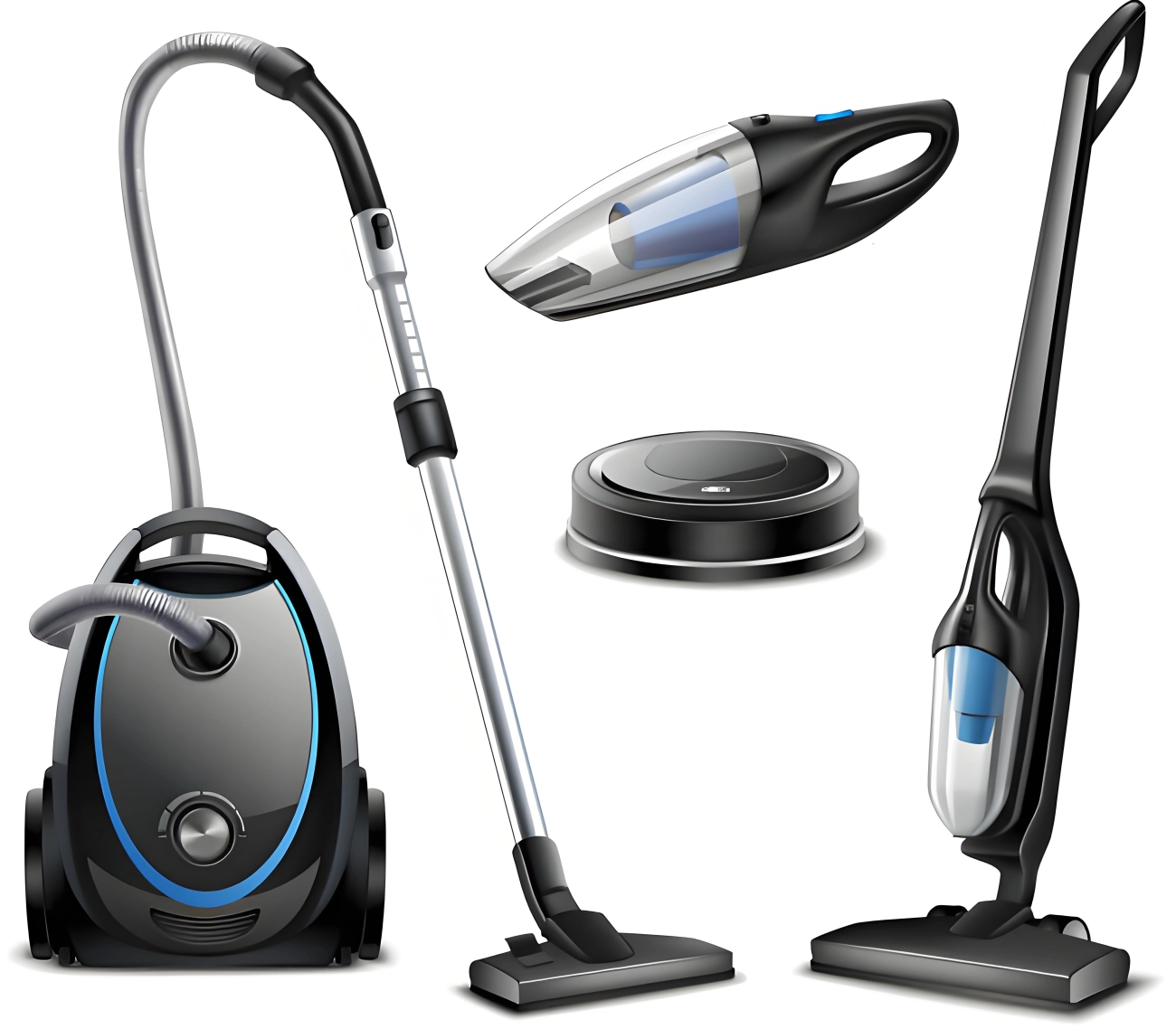
Voltage Equals Power: The Air Watts Connection
When we talk about raw cleaning performance, voltage is the primary driver. In the US market, consumers equate higher voltage with better suction, and generally, they are right. The voltage of a cordless vacuum battery pack directly correlates to the motor’s ability to generate Air Watts. Simply put, higher voltage allows the motor to spin faster and harder, providing the torque needed to pull debris from deep pile carpets. A higher voltage platform allows us to deliver more power without increasing the current to dangerous levels, keeping the system efficient and cool.
Common Configurations: 18V to 36V Systems
We typically see a specific range of configurations depending on whether the device is a lightweight handheld or a heavy-duty upright replacement.
- 18V – 21.6V (5S-6S): The standard for lightweight stick vacuums and handheld units. Good balance of weight and power.
- 25.2V – 29.6V (7S-8S): This is the sweet spot for high-end models. A 25.2V vacuum battery offers the sustained power needed for whole-home cleaning.
- 36V+ (10S): Reserved for commercial-grade or industrial heavy-duty vacuums requiring massive suction.
Customization for Motor Requirements
At Van4NU, we don’t just grab a standard pack off the shelf. We engineer custom lithium battery solutions to match the specific torque and RPM curves of your vacuum motor. This ensures the voltage curve remains stable during discharge, preventing that annoying power “fade” as the battery drains. To maintain this stability across different voltage platforms, understanding what is BMS in lithium batteries is crucial, as it regulates the output to protect both the motor and the cells. We align the cell series configuration to hit the exact sweet spot your appliance requires, ensuring the high-drain battery application delivers consistent power from the first minute to the last.
The Critical Role of the BMS (Battery Management System)
You can pack the highest capacity cells into a casing, but without a robust vacuum cleaner BMS, you are essentially holding a volatile energy source. In high-drain battery applications like cordless vacuums, the battery isn’t just sitting idle; it is pushing massive amps to the motor instantly. This rapid energy transfer generates significant heat and stress, making the management system the brain of the operation.
Safety First: Preventing Fire Hazards
Safety is the absolute priority when we design power systems. Lithium-ion chemistry is incredibly efficient, but it can be volatile if pushed beyond its limits. A quality BMS acts as the gatekeeper, constantly monitoring voltage and temperature to prevent thermal runaway—the primary cause of battery fires. We design our custom lithium battery solutions to cut power instantly if parameters go out of the safe zone, ensuring the appliance remains safe in American homes regardless of how hard the user pushes the vacuum.
Key Functions: Thermal Management and Balancing
A BMS does more than just stop fires; it optimizes the daily performance of the vacuum.
- Thermal Management: Actively monitors heat buildup during those “Max Power” cleaning sessions to prevent component damage.
- Cell Balancing: Ensures every cell charges and discharges at the same rate. If one cell drifts, the whole pack suffers.
- Protection Circuits: Prevents over-charging and deep discharging. While knowing how to judge if a 18650 lithium battery is damaged is useful for troubleshooting, a superior BMS prevents that damage from happening in the first place.
The Van4NU Advantage: Custom BMS with Predictive Diagnostics
At Van4NU, we don’t rely on off-the-shelf generic boards for high-performance appliances. We engineer custom BMS units equipped with predictive diagnostics. This smart technology communicates directly with the vacuum’s main controller, providing real-time data on battery health and predicting maintenance needs before a hard failure occurs. This level of integration is what separates a premium OEM product from a budget knock-off.
Beyond Standard Li-Ion: LiFePO4 and Li-Polymer Options
While cylindrical NMC cells dominate the market, we are seeing a shift toward specialized chemistries for specific cordless vacuum battery pack applications. Not every appliance needs the raw energy density of a 21700 cell; sometimes, safety, longevity, or physical shape takes precedence. At Van4NU, we engineer custom lithium battery solutions that match the chemistry to the device’s exact mission profile.
LiFePO4: Safety and Long Cycle Life for Robotic Vacuums
For autonomous devices like robotic vacuums that spend most of their lives on a charging dock, the Lithium Iron Phosphate vacuum battery (LiFePO4) is becoming a top-tier choice. Unlike standard Li-ion, LiFePO4 is incredibly stable thermally and chemically. It is virtually impossible to overheat during normal charging cycles, making it the safest option for devices running unattended in US homes.
The real advantage here is battery cycle life. A standard Li-ion pack might give you 500-800 cycles, but a LiFePO4 pack can easily hit 2,000+ cycles before significant degradation. This means the battery often outlasts the vacuum itself.
Li-Polymer: Pouch Cells for Ultra-Slim Handheld Designs
When industrial designers want to create a vacuum that looks more like a sleek wand than a power tool, cylindrical cells often don’t fit. This is where Li-Polymer (LiPo) pouch cells come in. These soft-pack batteries can be manufactured in custom sizes and shapes to fit into tight, curved handles.
While we frequently supply robust 18650 lithium battery packs for underwater vacuum cleaners and heavy-duty dry vacs, the trend for lightweight “stick” vacuums demands the weight savings of LiPo technology. These cells offer high discharge rates necessary for suction but in a much lighter package. However, they require precise management; knowing tips to extend the cycle times of lithium polymer battery packs is critical for engineering the BMS to prevent premature swelling or capacity loss.
Comparison of Vacuum Battery Chemistries
| Feature | Standard Li-Ion (NMC) | LiFePO4 (LFP) | Li-Polymer (LiPo) |
|---|---|---|---|
| Best For | High-power uprights/stick vacs | Robotic vacuums | Ultra-slim handhelds |
| Cycle Life | 500 – 800 cycles | 2000+ cycles | 300 – 500 cycles |
| Safety | Moderate (Requires BMS) | Excellent (High stability) | Moderate (Sensitive to puncture) |
| Energy Density | High | Moderate | High |
| Form Factor | Cylindrical (Hard shell) | Cylindrical or Prismatic | Pouch (Soft shell) |
Sourcing Considerations for OEM Vacuum Manufacturers
When you are looking for a partner to build your next cordless vacuum battery pack, you aren’t just buying cells; you are investing in brand reputation and safety. In the US market, regulations are strict, and consumers have zero tolerance for power failures or safety hazards. As an experienced OEM battery manufacturer, we know that cutting corners on compliance is not an option.
We ensure every battery solution meets the rigorous standards required for global distribution:
- UN38.3: Mandatory for the safe transport of lithium batteries.
- UL & CE: Critical safety marks for entering US and European retail markets.
- IEC 62133 certification: The international benchmark for safety testing that we strictly adhere to.
Speed and capacity are just as important as certifications. We bridge the gap between initial design and mass production, allowing you to scale up without supply chain bottlenecks. Our process relies on strict quality assurance, starting with automated sorting to match cell voltage and internal resistance perfectly. We utilize industrial-grade assembly methods—far more advanced than learning how to solder 18650 batteries together manually—to ensure every connection is robust and vibration-resistant for high-power vacuum applications.
Why Partner with Van4NU for Your Next Appliance Project?
When you are developing a high-performance vacuum cleaner, the battery pack isn’t just a component; it is the heart of the machine. Choosing the right power source determines whether your product dominates the market or gets returned due to poor runtime. At Van4NU, we operate as a dedicated OEM battery manufacturer, shifting the dynamic from a simple transaction to a strategic technical partnership.
The Technical Partner Approach vs. Off-the-Shelf Buying
Buying a generic battery pack off the shelf often leads to integration headaches. Standard packs rarely align perfectly with the unique geometry or discharge curves of a proprietary vacuum motor. We take a different route. We engineer custom lithium battery solutions specifically tailored to your device’s architecture. This ensures that the cordless appliance power systems we deliver maximize energy density without compromising safety or form factor.
Comparison: Generic Supplier vs. Van4NU Partnership
| Feature | Generic Off-the-Shelf Supplier | Van4NU Technical Partnership |
|---|---|---|
| Fit & Form | Standard sizes only; limits design freedom. | Custom shapes to utilize every millimeter of space. |
| BMS Design | Basic protection; often reactive. | Custom BMS with predictive diagnostics and thermal balancing. |
| Discharge Rate | Fixed limits; may choke high-power motors. | Optimized for high-drain surges and specific motor loads. |
| Support | Transactional; limited engineering help. | Full engineering support from prototype to mass production. |
In-House Engineering and Global Experience
Our value lies in our ability to solve complex power challenges in-house. We don’t just assemble cells; we design the entire energy ecosystem. Our engineering team has extensive experience navigating the strict safety standards required for the US market, ensuring your products are compliant and reliable.
We have successfully deployed power solutions across a wide range of industries. You can explore our diverse battery applications by usage to see how we adapt our technology to different high-demand environments. Whether you need a compact pack for a handheld unit or a heavy-duty array for an industrial cleaner, we bring global manufacturing expertise directly to your project.
- Custom BMS Development: We write the logic that keeps your battery safe and efficient.
- Rapid Prototyping: We move quickly from concept to a testable unit to keep your launch schedule on track.
- Supply Chain Stability: We have secured access to top-tier 18650 and 21700 cells, ensuring consistent quality even during market shortages.





 English
  German
  Spanish
  French
  Italian
  Polish
  Russian
  Thai
Thai  Turkish
  Japanese
  Korean