
Environmental Hazards of Lithium Mining: A Data-Driven Analysis
As we navigate the global shift toward renewable energy and electric vehicles, we must address the underlying environmental costs of the materials powering this transition. At Nuranu, we prioritize data-driven insights to understand the baseline environmental footprints of the two primary lithium extraction methods: brine evaporation and hard-rock mining.
Analyzing Brine Extraction vs. Hard-Rock Mining
The environmental impact of lithium depends heavily on the extraction technique used. We categorize these into two distinct operations, each presenting unique ecological challenges.
- Brine Evaporation Ponds: This process involves pumping mineral-rich saline water from underground aquifers into massive surface ponds. Over 12 to 18 months, solar evaporation concentrates the lithium. While energy-efficient, the water intensity of this method is its primary hazard.
- Hard-Rock (Spodumene) Mining: Traditional open-pit mining targets pegmatite formations. This requires heavy machinery for ore extraction, crushing, and chemical roasting. While it has a smaller water footprint than brine, the carbon emissions and physical land disruption are significantly higher.
Comparing Environmental Baselines
We analyze the trade-offs between these methods to provide a clear picture of their physical and ecological footprints:
- Resource Consumption: Brine operations are localized in arid regions where water is a “non-renewable” resource, leading to extreme groundwater depletion.
- Energy and Emissions: Hard-rock mining requires intensive thermal processing, resulting in a carbon footprint up to three times higher than brine-based extraction.
- Land Alteration: Both methods cause significant habitat fragmentation, but hard-rock mining leaves behind vast tailings (waste piles) and open pits that permanently alter the topography.
By evaluating these extraction techniques through a strategic lens, we identify the high-risk areas where “green” technology intersects with local environmental degradation. Understanding these baselines is the first step toward implementing sustainable lithium sourcing and responsible mineral development.
Water Consumption and Depletion Risks
The most immediate environmental hazard of lithium mining is the massive strain it places on local water supplies. In the Lithium Triangle of South America, the brine extraction process requires approximately 500,000 gallons of water to produce just one ton of lithium. This high-intensity consumption creates a permanent deficit in some of the driest regions on Earth.
Groundwater Depletion and Local Scarcity
The massive scale of groundwater depletion mining alters the hydrological balance of entire basins. When mineral-rich brine is pumped to the surface for evaporation, it creates a vacuum that draws fresh water from surrounding aquifers into the salty deposit areas, effectively “salting” the remaining drinking water.
- Aquifer Lowering: Water tables drop significantly, making it impossible for local communities to access traditional wells.
- Drinking Water Scarcity: As fresh water migrates to fill mined voids, potable water becomes a rare and expensive commodity for indigenous populations.
- Agricultural Impact: Farming and herding operations collapse as soil moisture disappears, leading to localized desertification.
Understanding these resource constraints is a critical part of the factors to consider when designing and manufacturing 18650 lithium batteries for the global market. We must balance the demand for energy storage with the reality of water scarcity lithium challenges to ensure a truly sustainable transition. Addressing these risks isn’t just an ethical choice; it is a strategic necessity for long-term supply chain stability.
Chemical Pollution and Toxic Waste Hazards
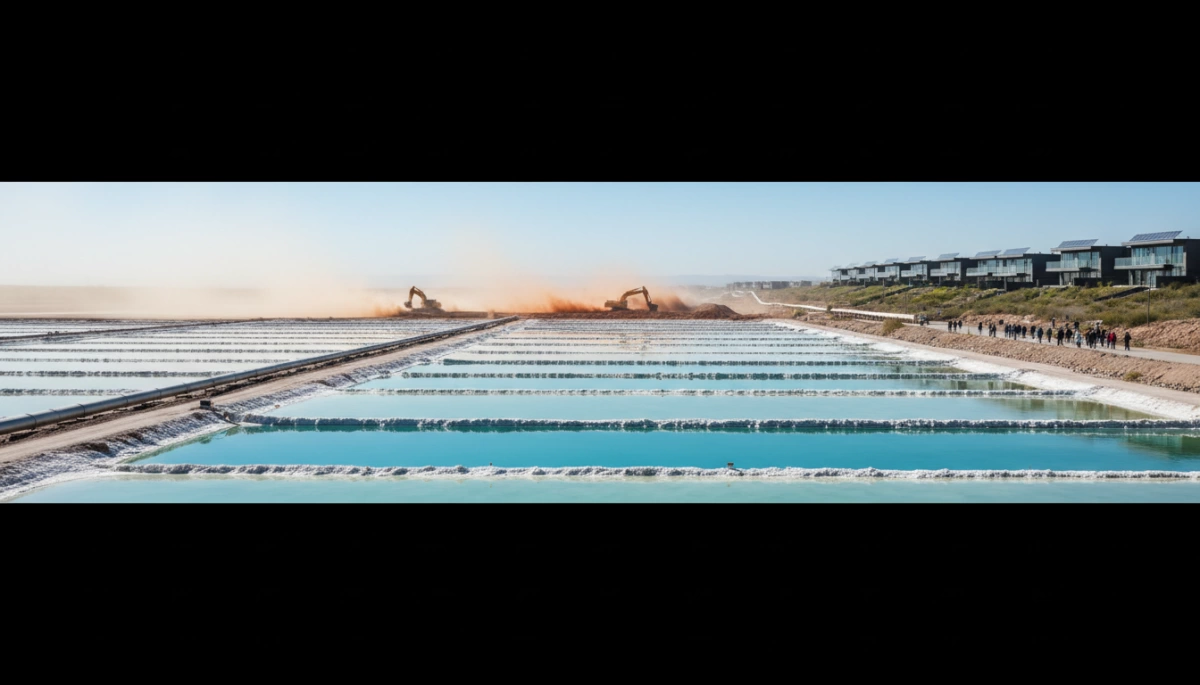
When evaluating what are the environmental hazards of lithium mining, the release of toxic chemicals during processing is a top-tier concern. Extracting lithium from hard rock (spodumene) or concentrated brine requires a chemical-heavy refinement process that poses immediate risks to local ecosystems and public health.
Toxic Chemical Leaks and Processing Risks
The path from raw ore to a high-performance 7.4V 18650 lithium battery pack for solar street lights involves intensive chemical treatments that must be strictly managed to prevent environmental disasters.
- Acid Leaching: Refineries use massive volumes of sulfuric acid and hydrochloric acid to separate lithium from ore. Any breach in containment leads to catastrophic leaks that strip soil nutrients and poison land.
- Tailings Management: Hard-rock mining produces “tailings”—crushed rock waste that often carries heavy metals and chemical residue. If tailings dams fail, toxic slurry can bury entire habitats.
- River Contamination: Chemical runoff from processing plants can drastically alter the pH of nearby water bodies. This leads to massive fish kills and destroys the primary water source for downstream communities.
We emphasize that soil toxicity and groundwater contamination near poorly regulated mining sites are not just short-term issues; they are long-term liabilities that require data-driven mitigation and transparent supply chain practices. Protecting the environment while powering the future requires a relentless focus on reducing these chemical footprints.
Biodiversity Loss and Land Degradation
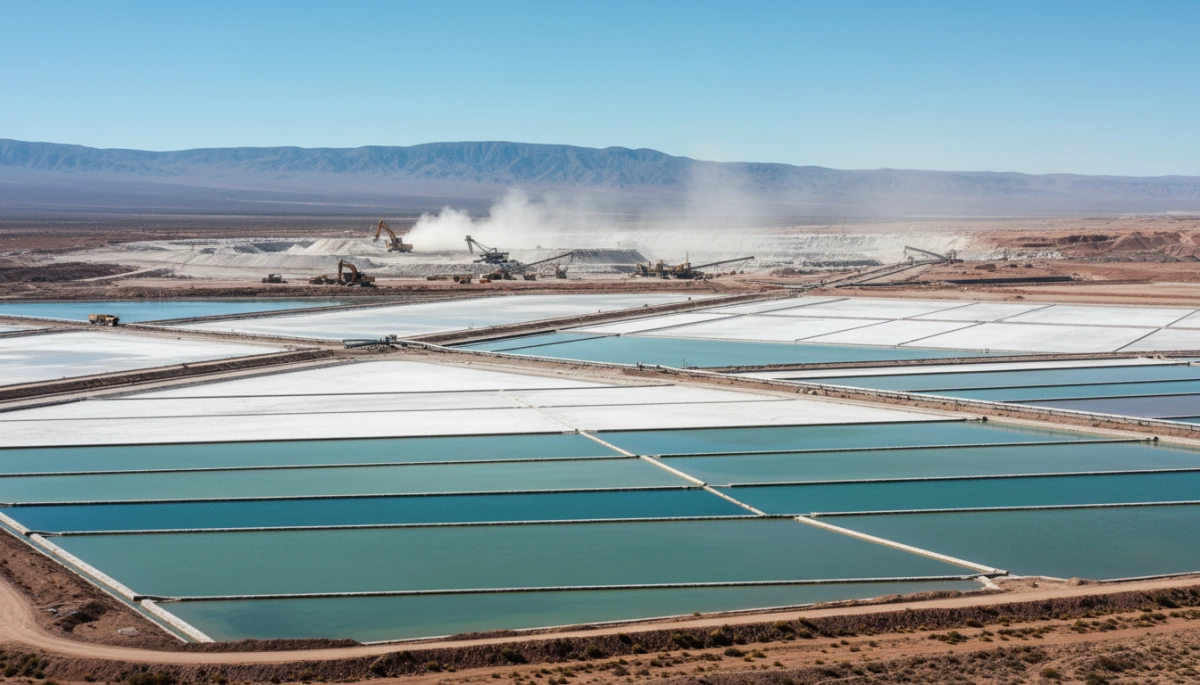
Physical landscape alteration is a significant factor when assessing what are the environmental hazards of lithium mining. Our analysis shows that large-scale extraction operations lead to severe habitat fragmentation, disrupting the natural corridors that local wildlife depends on for survival.
Salt Flat Ecosystem Damage
In the high-altitude regions of South America, the construction of massive brine pools causes irreversible salt flat ecosystem damage. This industrial expansion directly conflicts with the survival of endemic species.
- Threat to Migratory Birds: Andean flamingo populations are declining as their specialized nesting and feeding grounds are replaced by industrial infrastructure.
- Vegetation Loss: Alterations in soil salinity and moisture levels kill off native flora, which is essential for stabilizing the fragile desert ground.
Soil Erosion and Desertification
Hard-rock mining involves intensive land clearing and earth-moving, which triggers long-term soil erosion. This degradation often renders the land permanently unsuitable for local farming or herding. As we evaluate the shift toward sustainable energy, it is clear that choosing between an LFP lithium battery vs. NMC battery involves weighing the raw material demand that drives this biodiversity loss mining. Without strict land management, these mining sites eventually face total desertification, leaving a lasting scar on the local environment.
Carbon Footprint and Air Quality Impacts

While lithium is essential for the green transition, the processing stage carries a significant carbon footprint. The energy required to extract and refine lithium—especially from hard-rock sources—results in substantial greenhouse gas emissions.
- High Energy Requirements: Hard-rock lithium mining is particularly energy-intensive, often requiring 15 tonnes of CO2 for every single tonne of lithium produced.
- CO2 Emissions: Even brine-based extraction, which is less carbon-heavy than open-pit mining, still relies on industrial machinery and transport systems that contribute to the global emission total.
- Particulate Matter: Beyond carbon, mining operations release massive amounts of dust and particulate matter into the air. This significantly degrades air quality for local communities and nearby ecosystems.
We track these data points because understanding the full lifecycle of a battery is the only way to ensure true sustainability. The environmental hazards of lithium mining aren’t just about what stays in the ground; they include what we release into the atmosphere during production. Strategies like transitioning to renewable energy sources for mine sites and optimizing processing efficiency are critical for reducing these impacts.
Social Costs and Community Impact
The environmental hazards of lithium mining extend far beyond the soil and water; they directly threaten the livelihoods of local communities. In the “Lithium Triangle”—covering parts of Argentina, Bolivia, and Chile—indigenous populations face the brunt of industrial expansion. We view these disruptions not just as ecological statistics, but as critical risks to the long-term stability of the global supply chain.
Disruption of Local Livelihoods
The heavy reliance on brine evaporation leads to significant groundwater depletion mining risks. For communities in the Atacama and Salar de Uyuni, this water loss is catastrophic:
- Agricultural Failure: Traditional farming and livestock herding, particularly for quinoa and llamas, are failing as local aquifers dry up.
- Indigenous Rights: Massive mining operations often infringe on ancestral lands without adequate consultation or benefit-sharing.
- Salt flat ecosystem damage: The degradation of these unique landscapes ruins tourism and cultural heritage sites essential to the local economy.
Maintaining a balance between the green transition and responsible mineral development is essential for any ambitious brand. While we offer high-performance lithium-ion battery packs for solar street lighting, we recognize that the industry must move toward ethical sourcing to mitigate these community impacts. Growth is only sustainable when it respects the people at the source of the supply chain.
Sustainable Solutions for Lithium Sourcing
Transitioning to a green economy requires addressing a critical question: what are the environmental hazards of lithium mining and how do we solve them? We are seeing a strategic shift toward technologies that minimize the footprint of extraction and move toward a circular model.
Direct Lithium Extraction (DLE) Benefits
Direct Lithium Extraction (DLE) represents a major pivot from traditional brine evaporation. This data-led technology offers a more efficient way to secure raw materials without the massive land requirements of salt flats.
- Water Conservation: DLE systems often reinject brine back into aquifers, preserving local water tables.
- Production Speed: Processes lithium in hours rather than the 18-24 months required for evaporation.
- Reduced Footprint: Eliminates the need for vast evaporation ponds, protecting local biodiversity.
Battery Recycling and the Circular Loop
Closing the loop is essential for long-term growth and supply chain stability. By scaling battery recycling lithium programs, we can recover up to 95% of critical minerals from spent cells. This reduces the pressure on primary mining sites and lowers the overall carbon footprint of energy storage. Whether comparing high-capacity 32650 LiFePO4 vs 18650 cells or larger EV packs, effective recycling ensures these materials stay in the economy and out of landfills.
Responsible Mineral Development and ESG Standards
Applying strict ESG standards for responsible mineral development is no longer optional for ambitious brands. We focus on transparency and data-driven reporting to ensure that lithium sourcing meets modern environmental expectations.
- Carbon Transparency: Tracking CO2 emissions from extraction to assembly.
- Community Engagement: Ensuring indigenous rights and local water access are protected.
- Certification: Utilizing third-party audits to verify sustainable lithium sourcing practices.
By prioritizing these pathways, the industry can mitigate the impact of extraction while meeting the surging global demand for clean energy storage. Contact our team to explore data-led insights into sustainable tech and growth strategies.





 English
  German
  Spanish
  French
  Italian
  Polish
  Russian
  Thai
Thai  Turkish
  Japanese
  Korean