
You might be wondering if that expensive pack of Lithium AA batteries is actually worth the hype…
Or if putting a high-voltage Li Battery in your TV remote is a recipe for disaster.
Here is the short answer: Are AA Batteries Lithium? usually, no. Most are still standard alkaline.
But the ones that are lithium change the game entirely.
There is a massive difference between Lithium Metal AA (disposable powerhouses) and Lithium-Ion (rechargeable tech).
Confusing them can fry your electronics or simply drain your wallet.
As battery experts, we are going to cut through the marketing noise. In this guide, you’ll learn the exact chemistry differences, performance specs, and how to choose the right power source for your specific device.
Let’s dive in.
What Does “Lithium AA Battery” Actually Mean?
We often see confusion when clients ask for Lithium AA batteries. It is a loaded term because “AA” refers strictly to the physical dimensions—roughly 14.5mm by 50.5mm—not the chemical energy inside. Whether it is powering a TV remote or a high-end tactical flashlight, the size remains the standard, but the engine driving that power varies significantly.
Defining AA as a Size Standard, Not a Chemistry
At Nuranu, we engineer custom battery packs daily, and the first thing we clarify is that form factor does not equal chemistry. An AA battery is simply a vessel. While most consumers are used to standard alkaline cells, the AA battery types comparison actually spans three distinct chemistries, each with unique behaviors:
- Alkaline: The standard, disposable everyday battery found in grocery stores.
- Lithium Metal (Primary): High-performance, non-rechargeable batteries (often labeled as Lithium Iron Disulfide).
- Lithium-Ion (Li-ion): Secondary, rechargeable batteries that offer high cycle life and energy density.
Distinguishing Between Alkaline, Lithium Metal, and Li-ion
Understanding the difference between Lithium metal vs lithium ion is critical for both safety and performance. Primary lithium batteries (Lithium Metal) are designed as direct replacements for alkaline; they are disposable and built for longevity. In contrast, Lithium-ion technology focuses on rechargeability and high power output. You cannot simply swap them blindly without understanding the voltage specifications.
Busting the 3.7V vs. 1.5V Voltage Myth
This is the most dangerous misconception we encounter. Standard alkaline and Lithium Metal AA batteries operate at a nominal voltage of 1.5V. This is safe for almost all household electronics.
However, a raw Lithium-ion cell in an AA form factor (technically known as a 14500 cell) typically operates at 3.7V. That is more than double the voltage of a standard AA. If you put a 3.7V Li-ion cell into a device designed for 1.5V Alkaline vs lithium AA, you risk instantly frying the circuit board. Always check if your device supports the higher voltage or if the battery has a built-in step-down regulator.
Lithium Metal AA Batteries: The Primary Powerhouse
When you see a battery labeled “Lithium” that looks exactly like a standard AA and isn’t rechargeable, you are looking at a Primary Lithium Battery. In the engineering world, we refer to this specific chemistry as Lithium Iron Disulfide (Li-FeS₂). Unlike the rechargeable lithium-ion packs we design for custom industrial applications, these cells are built for single use, offering a massive performance upgrade over traditional alkaline cells without changing the form factor.
The 1.5V Advantage
The most critical spec here is the voltage. A 1.5V lithium AA is designed to be a direct replacement for standard alkaline batteries. This is distinct from the 3.7V nominal voltage found in a standard 18650 battery or other secondary lithium cells. By maintaining that 1.5V standard, these batteries provide a safe, high-energy solution for everything from TV remotes to high-end photography equipment without frying the electronics.
Why Li-FeS₂ Beats Alkaline
We recommend Lithium AA batteries for critical applications because of their superior discharge profile.
- Flat Voltage Curve: Alkaline batteries lose voltage steadily as they drain, causing devices to run sluggishly. Lithium metal holds a steady 1.5V output until the cell is almost completely depleted.
- High Capacity: You typically get around 3000mAh of capacity, which can last up to 6x longer than alkaline in high-drain devices like digital cameras.
- Zero Leakage: Unlike alkaline cells containing potassium hydroxide that can corrode your electronics, Lithium iron disulfide batteries are constructed differently and do not leak inside your expensive gear.
Built for Extremes
One of the standout features of this chemistry is cold weather battery performance. Standard batteries fail near freezing, but lithium metal cells operate effectively from -40°F to 140°F (-40°C to 60°C). Combined with a shelf life that can exceed 20 years, they are the undisputed choice for emergency kits, outdoor sensors, and reliable backup power.
Lithium-Ion (Li-ion) Batteries: Rechargeable Alternatives
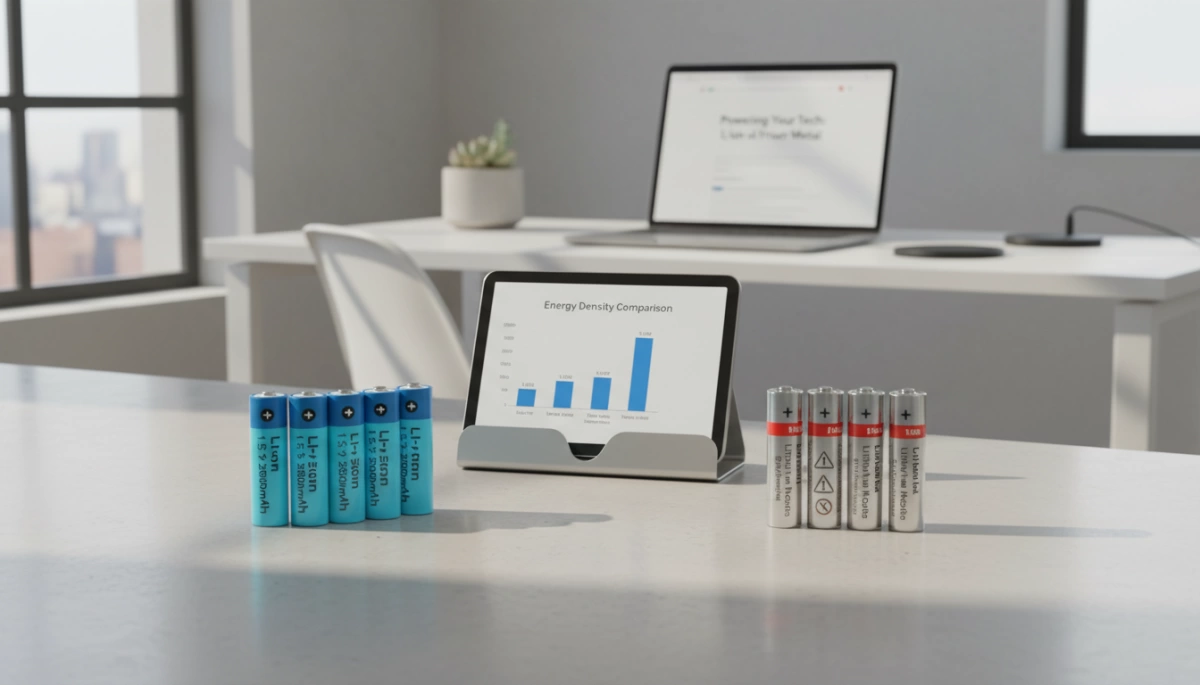
When we discuss rechargeable AA lithium options, we are usually referring to two distinct types of technology. It is critical to distinguish between raw industrial cells and consumer-ready replacements to avoid damaging your electronics.
Standard 3.7V Li-ion Cells (14500) vs. AA Form Factor
In the industrial battery world, the AA size is technically known as the 14500 cylindrical cell (14mm diameter, 50mm length). While these fit physically into an AA slot, they operate at a nominal voltage of 3.7V, which is more than double the voltage of a standard 1.5V alkaline battery.
If you insert a raw 3.7V 14500 cell into a standard TV remote or toy, you will likely fry the circuit board instantly. These high-voltage cells are designed for high-drain applications like tactical flashlights or custom battery packs where we series-connect cells for higher voltage platforms. Understanding the charging voltage for 3.7V lithium-ion batteries is essential for safely managing these powerful cells in custom projects.
How 1.5V Regulated Li-ion AA Batteries Work
To bridge the gap between high-performance lithium chemistry and standard household devices, engineers developed voltage-regulated lithium-ion AA batteries. These are sophisticated units that integrate a tiny Battery Management System (BMS) and a buck converter directly inside the cell casing.
- Internal Chemistry: Uses a standard 3.7V lithium-ion core.
- Regulation: The internal circuit steps the voltage down to a constant 1.5V output.
- Result: A drop-in rechargeable replacement that mimics the voltage of alkaline but provides the power density of lithium.
Pros and Cons: High Cycle Life vs. Initial Cost
Switching to rechargeable lithium requires a shift in how you view battery costs. While the upfront price tag is higher, the performance metrics justify the investment for frequent users.
- Cycle Life: A high-quality Li-ion AA can withstand 500 to 1,000 charge cycles.
- Voltage Stability: unlike alkaline batteries that lose voltage as they drain, regulated lithium AAs provide steady power until the very end.
- Long-Term Value: Although the initial cost is higher, our data suggests these batteries are effectively 62% cheaper over their lifespan compared to constantly buying disposables.
Head-to-Head Comparison: Lithium Metal AA vs. Lithium-Ion vs. Alkaline

When we engineer battery solutions at Nuranu, we look at the raw data. Choosing between Alkaline vs lithium AA or rechargeable Li-ion isn’t just about price—it’s about how the chemistry behaves under load. Here is the breakdown of how these three distinct chemistries stack up in real-world performance.
Nominal Voltage and Energy Density
Lithium battery energy density is the game-changer here. Standard alkaline batteries start at 1.5V but suffer from a steep voltage drop; as you use them, they get weaker. Primary lithium batteries (Lithium Metal) maintain a rock-steady 1.5V output until they are nearly depleted, offering 3-6x the energy density of alkaline cells (200–300 Wh/kg).
Lithium-ion (Li-ion) sits in a different class. A standard Li-ion cell (like the 14500 size) operates at a nominal 3.7V. While this is powerful, it requires specific device compatibility. However, the chemistry used in these cells is scalable; the same high-performance tech found in a single cell is what we use to build larger 24V 18650 lithium-ion battery packs for electric mobility.
Shelf Life and Leakage Risks
If you have ever opened a remote to find white crusty corrosion, you have seen alkaline failure. Alkaline batteries use a water-based electrolyte that can leak potassium hydroxide. Lithium AA batteries (specifically Lithium Iron Disulfide) use a non-aqueous electrolyte, effectively eliminating leakage risks.
- Alkaline: 5-10 year shelf life (prone to leakage).
- Lithium Metal: 15-20 year battery shelf life (extreme stability).
- Li-ion: Rechargeable, so shelf life is measured in cycles (500+), though they do have a slow self-discharge rate if left unused for months.
Cost Per Use and Lifetime Value
Alkaline wins on the sticker price, but Lithium Metal vs lithium ion is where the real value battle happens. While lithium options have a higher upfront cost, our data shows they are roughly 62% cheaper long-term due to lifespan and efficiency. You buy fewer batteries and get consistent performance, especially in high-drain devices where alkaline cells die prematurely.
| Feature | Alkaline AA | Lithium Metal AA (Primary) | Li-ion 14500 (Rechargeable) |
|---|---|---|---|
| Chemistry | Zinc-Manganese Dioxide | Lithium Iron Disulfide (Li-FeS2) | Lithium-Ion |
| Voltage | 1.5V (Drops quickly) | 1.5V (Constant) | 3.7V (Nominal) |
| Rechargeable | No | No | Yes (500+ Cycles) |
| Capacity | ~2500 mAh (Low drain only) | ~3000-3500 mAh | ~800-1000 mAh (at 3.7V) |
| Best For | Clocks, Remotes | Cameras, Extreme Cold | Flashlights, Custom Electronics |
Compatibility and Safety: Will Lithium Batteries Damage Your Devices?
The short answer is: it depends entirely on the voltage. At Nuranu, we engineer custom battery systems daily, and we know that mismatching voltage is the fastest way to fry sensitive electronics. Understanding the difference between a direct replacement and a high-voltage industrial cell is critical for device safety.
Safety of 1.5V Lithium Metal Replacements
If you are using 1.5V lithium AA batteries (Lithium Iron Disulfide), your devices are perfectly safe. These cells are engineered specifically to mimic the voltage profile of standard alkaline batteries.
- Drop-in Compatibility: They work seamlessly in digital cameras, flashlights, and toys designed for 1.5V.
- No Over-Voltage Risk: The nominal voltage is identical to fresh alkaline cells, so there is no risk of overpowering the circuit.
- Leak-Proof Construction: Unlike alkaline batteries that use corrosive potassium hydroxide, lithium metal cells are sealed under high pressure and rarely leak, protecting your expensive gear from internal corrosion.
Risks of Using Unregulated 3.7V Li-ion in Standard Devices
This is where users often get into trouble. A standard Lithium-ion AA (often labeled as a 14500 cell) typically operates at a nominal 3.7V.
- Voltage Mismatch: Putting a 3.7V battery into a device built for 1.5V delivers more than double the expected voltage. This will almost certainly burn out the bulb, motor, or circuit board instantly.
- Physical Fit: Because 14500 cells are the same physical size as AA, it is easy to make this mistake. Always check the label for voltage ratings before installation.
- Chemistry Differences: Just as it is important to know are all 18650 batteries rechargeable when dealing with larger packs, you must verify if your AA-sized cell is a primary (disposable) or secondary (rechargeable) chemistry to avoid charging accidents.
The Role of Protection Circuits and Certifications
For modern applications, we recommend voltage regulated lithium ion AA batteries. These contain a tiny internal circuit (BMS) that steps the native 3.7V down to a safe 1.5V output.
- BMS Protection: A quality Battery Management System prevents over-discharge, over-charging, and short circuits.
- Certifications: Reliable lithium batteries should meet global safety standards like UN38.3 and IEC 62133.
- Thermal Management: High-quality cells include PTC (Positive Temperature Coefficient) devices to prevent overheating during high-drain use.
Whether you are powering a custom robotics project or consumer electronics, ensuring your power source has the correct voltage and safety certifications is non-negotiable.
When to Choose Lithium AA Over Alkaline or NiMH
Selecting the right power source isn’t just about fitting the slot; it is about matching the chemistry to the application’s energy demand. At Nuranu, we see firsthand how choosing the wrong cell leads to device failure or wasted budget. Here is the breakdown of when to upgrade to lithium and when to stick with standard options.
Low-Drain Devices: When to Stick with Alkaline
For devices that sip power slowly over months or years—like TV remotes, wall clocks, or smoke detectors—standard alkaline vs lithium AA comparisons often favor alkaline purely on upfront cost. These devices do not require the high current delivery or the flat voltage curve of lithium. Paying a premium for high-performance cells in a remote control is unnecessary overhead. However, always be wary of alkaline leakage in expensive electronics if left unchecked for years.
High-Drain Gear: Why Lithium Metal Rules
When powering high drain battery performance equipment like digital cameras, tactical flashlights, or medical devices, primary Lithium Metal AA (Li-FeS2) is the superior choice. Alkaline batteries suffer from severe voltage sag under heavy load, often losing up to 75% of their capacity. In contrast, lithium metal maintains a steady 1.5V output and is significantly lighter.
This chemistry is also critical for outdoor applications. If your gear operates in freezing conditions, such as trail cameras or outdoor sensors, lithium is mandatory. We often compare the resilience of these cylindrical cells to other primary lithium formats, similar to the durability differences seen in 3V coin cells vs cylinders, where form factor and chemistry dictate performance in extreme environments (-40°F to 140°F).
Frequent Users: The Economics of Regulated Li-ion
For daily users—think gaming controllers, wireless microphones, or VR headsets—single-use batteries are a financial drain. This is where rechargeable AA lithium (regulated 1.5V Li-ion) becomes the logical investment. While the initial price is higher, the long-term value is undeniable.
- Cycle Life: A regulated Li-ion AA can be recharged 500+ times.
- Voltage Stability: Unlike NiMH which drops to 1.2V (making devices think they are low on power), regulated Li-ion holds 1.5V until depletion.
- Cost Efficiency: Despite the higher sticker price, switching to rechargeable lithium is roughly 62% cheaper long-term compared to constantly replacing alkalines.
Quick Selection Guide
| Application | Recommended Battery | Why? |
|---|---|---|
| TV Remotes / Clocks | Alkaline | Low cost, low energy demand. |
| Digital Cameras / Flashlights | Lithium Metal (Primary) | Handles high power spikes, lightweight. |
| Outdoor Sensors | Lithium Metal (Primary) | Superior cold weather battery performance. |
| Gaming Controllers | Regulated Li-ion (Rechargeable) | 1.5V constant output, saves money over time. |
The Bigger Picture: Why Lithium Technology Matters

The shift toward lithium isn’t just a trend; it is a necessity driven by the physics of lithium battery energy density. At Nuranu, we engineer systems that achieve 200–300 Wh/kg, offering three to six times the capacity of legacy alkaline technology. This efficiency allows modern devices to be lighter and run significantly longer between charges or replacements.
From an environmental perspective, the math is simple. One high-quality rechargeable lithium cell can replace hundreds of disposable alkaline batteries over its lifespan, drastically reducing landfill waste. As electronics evolve—becoming faster and more power-hungry—the high internal resistance of older battery types simply cannot keep up. Whether it is for portable electronics or critical systems designed for backup power, the stability of lithium chemistry is unmatched. This technology is the backbone of the future of high-performance electronics, enabling innovations in robotics, medical equipment, and IoT devices that require consistent, reliable power delivery.
Frequently Asked Questions
Are all AA batteries lithium?
No. The vast majority of AA batteries on the market are alkaline (Zinc-Manganese Dioxide). A Lithium AA battery is a specific high-performance type designed for demanding applications. While they look identical in size to fit standard devices, the internal chemistry is completely different. Lithium variants offer significantly higher energy density (200–300 Wh/kg) and are roughly 33% lighter than their alkaline counterparts.
Can you recharge lithium AA batteries?
This is a critical distinction. Primary lithium metal batteries (typically 1.5V Li-FeS2) are disposable and must never be recharged, as doing so can cause venting or fire. However, rechargeable AA lithium options exist, usually based on Lithium-ion chemistry (often labeled as 14500 cells or regulated 1.5V Li-ion). These are designed for hundreds of cycles. Just like you need the right equipment to safely charge an 18650 battery, rechargeable AA lithium cells require compatible chargers to manage their specific voltage requirements.
Are lithium AA batteries worth the extra cost?
For high-drain devices, the answer is a definitive yes. While the upfront cost is higher than alkaline, lithium AA batteries can last 3x to 6x longer in power-hungry gear like digital cameras, medical equipment, or flashlights. In our analysis of industrial applications, switching to lithium often results in a 62% lower long-term cost because you replace them far less frequently. For low-drain devices like TV remotes, however, standard alkaline is usually sufficient.
What is the difference between lithium and lithium-ion?
The terms are often confused, but the difference lies in rechargeability:
- Lithium (Primary): Non-rechargeable. It uses a metallic lithium anode and provides a steady 1.5V. It is designed for single use with a massive shelf life (10-15 years).
- Lithium-ion (Secondary): Rechargeable. These cells move lithium ions between the cathode and anode. They typically operate at a higher nominal voltage (3.7V) or use internal regulation to mimic 1.5V.
Do lithium batteries leak?
Generally, no. Alkaline batteries are notorious for leaking corrosive potassium hydroxide, which can ruin electronics. Lithium metal vs lithium ion batteries both utilize superior sealing technology and non-aqueous electrolytes. This makes them the safest choice for expensive digital electronics that may sit in storage for extended periods.
Are lithium batteries safe in extreme cold?
Yes, they excel in these conditions. Cold weather battery performance is a major weakness for alkaline batteries, which often fail near freezing. In contrast, Nuranu’s lithium technology is engineered to operate reliably in temperatures ranging from -40°C to 60°C (-40°F to 140°F), making them the industry standard for outdoor sensors and winter equipment.





 English
  German
  Spanish
  French
  Italian
  Polish
  Russian
  Thai
Thai  Turkish
  Japanese
  Korean