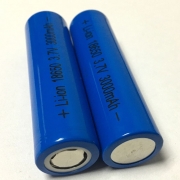
How to Reactivate a Dead 26650 Lithium Battery

How to Reactivate a Dead 26650 Lithium Battery

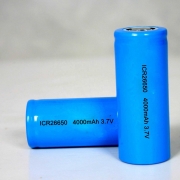
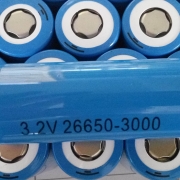
There are a few ways to reactivate a dead 26650 lithium battery. First, make a USB cable with a smaller end to connect the battery to a computer. You can make your own or purchase a cable at an IT store. The male USB end should plug into your computer. The voltage coming out of the USB port should be 5V. Plug in the dead battery and wait a minute. Afterward, check the terminal voltage of the dead battery with a multimeter.

You can also try pulling the positive terminal cover of the battery and push it into the negative terminal. This will release a gas that will help you to revive the battery. This will make it possible to use the battery further. Be aware that this method can damage the CID. It is also dangerous to reactivate a lithium ion cell, as it can explode without warning.

In addition, the dead battery must be monitored to prevent further damage. If it is hot, it is not good. It is likely to be too discharged and degraded. This can cause the battery to explode. In this case, you should immediately dispose of the battery and contact your retailer. Always remember to recycle any battery with this danger level. While this method may work, you should always do it under supervision.

Besides the manual, you can also try to recharge the battery by following a certain process. It might take a few minutes, but it is still worth a try. If you follow the instructions in your charger’s manual, you should be able to recharge the battery. This method does not work for every case, but it will usually work for the majority of cases. However, it is worth a try.

How to Judge If a 18650 Lithium Battery is Damaged

How to Judge If a 18650 Lithium Battery is Damaged

To check whether the 18650 battery is damaged, the method is as follows:

1. The label of the checked 18650 lithium-ion battery confirms that its voltage output is 3.7V, but the capacity may be larger or smaller than 2000mAh (some are 3000mAh)
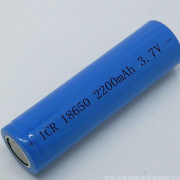
2. Find the positive and negative poles of the 18650 lithium-ion battery. The round protrusion of the battery is the positive pole of the battery, and the flat bottom is the negative pole.
3. Use a multimeter to check the output voltage. Make sure it’s set to measure voltage. Place the small metal rod at the end of the red cable onto the positive terminal of the 18650 Li-Ion battery. Place the metal rod at the black end of the multimeter on the negative end of the battery.
4. Check the multimeter display panel. If the battery is in normal condition, it should show between 3.6 and 3.7V. If the reading is below 3.5V, fully charge the battery. If it’s still below 3.5V after charging, it means you need to replace it, as these are all signs that the battery charge is slowly depleting.
5. Check the battery capacity, set the multimeter to measure the amount of current passing through each hour, and place two metal rods on the positive and negative metal ends of the battery.
6. Check the multimeter display. A fully charged Li-Ion 18650 battery whose mAh matches the label indicates that the battery is in good use.

Does 18650 Lithium Ion Battery Belong to LiFePO4

Does 18650 Lithium Ion Battery Belong to LiFePO4

Do you know that the 18650 lithium ion battery is not a LiFePO4? It does not belong to this category, but it is a good candidate to be one. This is because it has a high capacity per unit density and it has good stability at work. It is commonly used in laptop batteries and other electronic equipment. It is also used in high-end flashlights and wireless data transmitters. This type of battery has many uses in different electronic fields, including portable lighting, industrial equipment, and electric warm clothing.

The 18650 battery is one of the standard models of lithium-ion batteries. It has a diameter of 18mm and a length of 65mm. It is a cylindrical type that is divided into lithium-ion and lithium iron phosphate batteries. The 18650 lithium ion battery is 3.7V, while the lithium-iron phosphate battery is 3.2V and 3.6V. This battery is typically used in devices that require a higher capacity.

The main difference between the two types of batteries is their voltage. The LiFePO4 battery has higher voltage, but is much more expensive than the 18650 lithium ion battery. It has a low battery voltage, but is also poor at low temperatures. It is often preferred over the 18650 in many cases. In addition to their high capacity, the 18650 is also very durable and should last for a long time.

Another important difference between the two types of batteries is the capacity. The 18650 battery has a relatively large capacity, and can provide more than 3,000mAh of energy. The main drawback is the cost. The 18650 is more expensive than its counterpart, but the lithium iron phosphate battery has a low voltage and poor low temperature performance. While it may not be as efficient as the LiFePO4 battery, the 18650 will last much longer.

The maximum capacity of an 18650 lithium ion battery is 3600 milliamps. It is not common to find high-capacity 18650 batteries, but they are available. And they have many advantages over their rivals. Unlike the LiFePO4 model, the 18650 is more versatile and powerful. With the improved technology in energy storage, the 18650 battery is now a popular choice for consumers.

The 18650 lithium ion battery is the standard lithium-ion battery. It has a diameter of approximately 18mm and is about 65mm long. Its voltage is 3.7V, which is higher than the 1.2V of nickel-cadmium or nickel-hydrogen batteries. Similarly, the capacity of an18650 battery is higher than the average LiFePO4 battery.

Generally, an 18650 battery belongs to a LiFePO4 battery. This is a type of battery that can be used for laptops, portable electronics, and other electronic devices. The 18650 lithium ion battery is one of the most widely used lithium ion batteries and should remain so for a long time. Unlike the LiFePO4 version, it offers reliability, power, and long runtime.

In terms of size, the 18650 lithium ion battery is generally cylindrical and has a diameter of 18mm. The voltage of this type of battery is higher than that of a LiFePO4 battery, and its volume is smaller. It is also more durable than the former, as it has a much higher charge cut-off voltage than the latter. The 18650 has a long-term capacity, and is ideal for portable applications.

LiFePO4 battery is better than 18650 lithium ion battery because it has longer life and 2000 cycles. Compared to the former, the 18650 lithium ion is more durable and has better runtime. However, the 18650 lithium ion battery is still the most expensive, and has lower capacity. It can still be used for some applications in portable electronics, but it is not as common as the former.

The AA and AAA batteries have raised tops and flat bottoms. The 18650 lithium ion battery is single-cell and has no recharging capacity. It is one-time-use and has a limited lifetime. Its draw is very high. Therefore, it is ideal for motorhomes. But it does not belong to LiFePO4 as it is unprotected.

What is the Maximum Capacity of an 18650 Lithium Battery

What is the Maximum Capacity of an 18650 Lithium Battery

Due to the fixed size of the 18650 battery, its maximum capacity has always attracted the attention of many practitioners. In recent years, the technology of various manufacturers has improved, and the capacity has also increased accordingly. Samsung, Panasonic, LG, Sony, and Toshiba can achieve more than 3600mAh. However, the best stability and consistency is the capacity range of 2600~3000mAh. If it is a battery pack, it is best not to use the highest capacity. Regardless of the cost performance and the service life of the battery pack after being assembled, it is not very cost-effective, so it does not mean the capacity of the battery cell. The higher the use, the more stable and long-lasting.

The battery pack needs to be customized according to the product. If the product is mid-to-high-end, the battery can be imported from a big brand (original), because there are many domestic small battery factories with false labels. If the battery is too price-sensitive (such as The price of strong light flashlight products is more competitive), you can choose 2200mah~2600mAh batteries or lower 1500+ capacity from domestic regular manufacturers. Most application fields have different current and time requirements, so most power supply batteries are presented in battery packs. When choosing a battery pack, you should consider the consistency, stability, and safety of the selection of cells. These indicators are very important .

It is worth noting that many buyers will have a misunderstanding, thinking that the higher the capacity, the larger the actual discharge current, but this is just the opposite: 18650 lithium batteries are generally divided into capacity type and rate type, the capacity type mainly reflects the large capacity, but the discharge The current is generally lower than 1C, and the current is small; the rate type can discharge with a large current, but the capacity is low and the use time is not long. It’s like you can’t have both.

How can we know the actual capacity of the 18650 lithium battery? The marked capacity of unscrupulous manufacturers is unbelievable. If you want to know the actual capacity, you have to pass the charge and discharge test with professional testing equipment.

Therefore, most people do not know the specific capacity when they get it, and they are easily deceived by the seller. Buyers really feel that the capacity is strange, and they can ask the supplier to issue a test report or choose a third-party professional testing agency to report.

Finally, the price of the 18650 lithium battery is proportional to the capacity. The larger the capacity, the greater the energy ratio, and the more raw materials are used, so the price will be more expensive. The general price is 10~30 yuan/pc.

How to Judge Positive and Negative Electrodes of an 18650 Lithium Battery

How to Judge Positive and Negative Electrodes of an 18650 Lithium Battery

To determine which electrodes are the positive or negative in an 18650 lithium battery, you need to know how to identify them. The positive electrode is made of aluminum cobalt oxide while the negative one is made of carbon, usually in a layered structure called graphite. In any case, the electrodes are flat and connected by an electrolyte. As the electrolyte flows through the electrolyte, lithium atoms are released and immediately form the lithium ion. The negative electrode is the next stage.

The positive electrode of an 18650 battery is the one with the metal coating, which is the best way to distinguish them. You can also see other components such as aluminum foil. The negative electrode is traditionally made from carbon materials or silicon. Despite its basic design, the 18650 lithium battery has a cylinder shape and a flat and positive terminal on one end. The positive side of an 18650 lithium cell is always marked with a company logo and the negative side has an aluminum foil coating.

A 18650 lithium battery is about the size of a large nickel. It has a diameter of 18mm and a height of 65mm. It has a 0 shape. The polarity of a battery is represented by its voltage. A difference between two points is called a voltage. The positive and negative sides are similarly identified by the water level. The lower the level, the higher the voltage.

To judge the positive and negative electrodes of an 18650 lithium battery, you should first recognize the negative electrode. If the battery has a flat side, then its negative side has a nub on its side. The nub acts as a pressure source. Likewise, the negative side has a small loop on its side. When the power source is disconnected, the positive end returns to the metal oxide.

The positive electrode is the positive pole. The negative side has a flat end. To judge the negative electrode, you can use salt water. Ensure that the salt water does not contain any electrically conductive particles. If the positive electrode is the negative pole, the corresponding hole should be in the negative end. In this way, you can easily distinguish between the two. If you are unsure which is which electrode is which, you can test it using the following methods.

In order to determine which electrode is the positive one, you can use a gauge. The thickness of the needle should be at least two millimeters in diameter. It is important to keep the distance between the positive and negative electrodes even when the battery is disconnected. A small amount of resistance is acceptable. However, a large difference in voltage between the two sides of the 18650 may be detrimental for the device.

The positive electrode is the negative electrode. The negative electrode is the flat side. The negative side is the flat end. The other is the CID. A thin sheetmetal disc is located between the positive and the cathode cap. This completes the current-path of the battery. The cell contains a separate sheet, which is called the separator. If both sides are the same, the cell will not be functional.

The positive electrode is made of aluminum cobalt oxide. In addition to this, there are other components in the 18650 that use aluminum foil to create a negative electrode. The negative electrode is made of carbon materials, while the positive electrode is made of silicon. A typical 18650 battery is cylindrical and has a nub at one end and a flat terminal on the other. The nub in the cell provides the pressure for the negative electrode.

Unlike other types of batteries, the 18650 battery is known for its low-discharge rate. Its flat end has a nub that provides pressure to the negative electrode. This nub makes it easy to differentiate between the positive and the negatively charged cells. This means that the negative electrode is the negative side of an 18.650 lithium battery. The other end is the flat side, which is the positive side.

How to Activate the 18650 Lithium Battery Sleep Mode

How to Activate the 18650 Lithium Battery Sleep Mode

An 18650 lithium battery is a small cylindrical battery that measures about 18mm in diameter and 65mm in length. Some models have one cell while others may have two or more cells, connected in series or parallel. This design allows for greater capacity and higher voltage than a single cell, which is perfect for most vaping devices. If you have trouble waking up your 18650 battery, use a battery analyzer to determine if it’s too low or too high.

Another way to make an 18650 battery last longer is to charge it frequently. You should charge it when it’s 3v or lower before recharging it. If you are planning to use your flashlight, wait until the light starts dimming or goes out entirely before charging. If you have a second 18650 battery, you can use it as a power source while you charge your dead one. It’s important to remember that a dead cell isn’t dead until you prove it is.

An 18650 battery is a good choice for portable devices because it is small enough to fit into your pocket. Its low weight makes it portable and easy to carry around. Using an 18650 battery will keep your device powered while your charger rests in the dock. And, while it’s a good idea to charge your 18650 battery frequently, it’s important to fully drain it before recharging.

If your 18650 battery gets too low and runs down, you need to recharge it. To make sure the 18650 has depleted to three volts before you charge it, run it until it is dimming or goes out completely. Alternatively, you can use a second working 18650 battery as your power source for the dead one. It is important to remember that a dead battery isn’t “dead” until proven otherwise.

If your 18650 battery is too low, you can recharge it several times. Before you recharge, however, make sure that you’ve completely depleted the battery to three volts. That way, you’ll be able to charge it until you see a dimming light, but if it’s not, it’s best to discard it and try charging again. A Lithium battery’s lifespan is based on its use, so you should only recharge it once before a month.

A lithium battery is a cylindrical structure with a positive and negative electrodes. The positive electrodes are metal oxides, and the cathodes contain lithiumsalt in a solvent. The negative electrodes are made of lithiumsalt. A negative cell is a battery that has lost its positive charge. It will still continue to work, but it won’t be as effective if the battery has a higher voltage.

An 18650 lithium battery will not go into sleep mode until it has been fully charged. This is usually the best option for these batteries. Depending on the type of device, they can run up to four hours. This means that you should never charge them more than once. You should charge them only when they’re completely dead. That way, they won’t have any trouble functioning. The charger should also tell you how much power is left in each cell.

A lithium-ion battery is safe to use for a long time, but it can also have a short life. When it comes to batteries, you should be aware of the dangers associated with their usage. A poorly-charged 18650 battery will have a shorter lifespan. In addition to that, an 18650 lithium battery can be hazardous when not used properly. The only solution is to make sure that you know how to activate the sleep mode for your 18650 lithium battery.

Why 18650 Lithium Batteries Are Burning Or Exploding

Why 18650 Lithium Batteries Are Burning Or Exploding

1. Internal short circuit: Structural or process defects lead to the insertion of the tabs, too little excess diaphragm wrapping, burrs, and diaphragm discounts, etc. The insertion of the tabs often occurs in the structure of thick batteries and internal parallel connection, and the insulation of the tabs is not in place. Adding a protective plate to the subsequent finished product or using the process can easily lead to an acute short circuit inside the battery, resulting in burning or explosion, but now this situation is almost Less, unless external factors.

2. External short circuit: The explosion after combustion caused by the external short circuit of the lithium battery below 1AH is rare. It is usually caused by bulging or simply burning the tab. I have personally analyzed that it is caused by the external short circuit of the power battery or large-capacity mobile phone battery. combustion. This involves improper use by customers – the insulation of the tabs is not considered when installing the metal outer box, and abnormal battery smoke and combustion occur at the installation site; power batteries are also often insufficient in structural fixing measures (ill-considered), and the battery pack is used during the user’s use. Shaking will cause damage to the external insulating protective film of the battery or damage to the connecting wire skin, which will eventually lead to short-circuit burning.

3. Overcharge explosion: This is the most dangerous, and the one that enterprises are most afraid of, but it still occurs occasionally. From what I know, there are two points: a. The user does not use the matching charger as required, thereby destroying the protection circuit and the user often charges for an unlimited time, which is difficult without frying; b. 18650 lithium battery The combination is unreasonable and the protective plate fails. In this case, the explosion will be a mess. Same goes for a single battery.

4. When the 18650 lithium battery is heated, the reaction inside the battery is like a reaction chain, and each reaction promotes each other and proceeds in sequence. First, the decomposition of the SEI film releases heat and heats the battery, which promotes the reaction between the negative electrode and the solvent to release more heat, resulting in the reaction between the negative electrode and the binder and the decomposition of the solvent. Then the positive electrode begins to undergo thermal decomposition reaction, releasing a large amount of heat and gas. , and finally cause the lithium battery to burn or explode.

5. Manufacturing process. The manufacturing process of 18650 lithium battery is also an important factor affecting the safety performance of the battery, among which there are three main factors, namely positive and negative electrode capacity ratio, slurry uniformity control, and coating quality control.

6. Temperature. There are many factors that affect the safety of lithium batteries. Among them, battery materials have an important impact on the safety of lithium batteries, because battery materials are generally thermally active. When the battery temperature continues to rise, many thermal reactions will occur inside it. When the heat cannot be dissipated in time, it is easy to cause battery safety accidents, so the selection of positive and negative materials for lithium batteries has an important impact on the safety performance of the battery.

Advantages and Disadvantages of 18650 Lithium Battery and Lithium Polymer Battery

Advantages and Disadvantages of 18650 Lithium Battery and Lithium Polymer Battery

The advantages and disadvantages of 18650 lithium battery and its lithium-polymer counterparts are similar. However, there are a few significant differences between the two. First, while 18650 is a more rigid and lightweight battery, lithium-polymer is lighter and less prone to leaks. Second, the polymer version is more expensive, but it does not have the memory effect, which makes it the preferred battery material for laptops and mobile phones.

Another difference between the two is their size and shape. In comparison to the traditional 18650 lithium battery, the lithium-polymer battery is slim and flat. Its slim design makes it easy to assemble into a credit card. The polymer battery is cheaper to produce, but it is not a good option for high-end portable electronic devices.

The disadvantages of the polymer version include lower energy density and shorter cycle times. It is also more expensive to produce than the 18650 lithium battery. Despite these shortcomings, polymer lithium battery technology continues to grow and become the preferred choice for many types of electronic equipment. The polymer version has several advantages, including a low manufacturing cost and low weight.

The advantages of 18650 lithium battery over the lithium polymer battery is largely dependent on the usage. Compared to the 16340 lithium polymer battery, the latter has a higher storage capacity and lasts for a longer time. But while the latter has a longer lifespan, it loses power faster when exposed to cold temperature. This means that it is more expensive and may become obsolete in the future.

Moreover, the polymer lithium battery is more expensive to produce. The disadvantage of the polymer is that it has a smaller energy density and shorter cycle times. Furthermore, it is prone to exploding. In addition, the polymer battery is much more flexible. Its aluminum composite structure makes it easier to assemble into a credit card. The advantage of lithium polymer is that it is lightweight and can be assembled into a credit card.

While Lithium-polymer batteries are relatively newer, their disadvantages are similar. Both types have a high capacity and are very light, but the 18650 has better energy density and can last longer. In a test, the 18650 is more stable and has a higher rate of charging cycles than the 16340. In addition, it can handle more ambient temperatures.

Both of these batteries can deliver high levels of energy. Moreover, they are safe for use in a variety of environments, including extreme situations. The benefits of the former are its light weight and small size. The disadvantages of the latter are, however, not as significant as those of the former. If you have a need for a higher capacity, the latter is recommended.

The most notable difference between the two types of batteries is their cost. The latter is cheaper and has lower energy density. In contrast, the former is more expensive and has a lower cycle life. The disadvantages of the latter are its low energy density and lower capacity. The former is more durable but has lower power capacity. The downsides of its polymer battery are its smaller weight and shorter cycle life.

Lithium-polymer battery is older and less efficient than its lithium-ion counterpart. Its disadvantages include its lower energy density and a shorter cycle life. But it is still cheaper than lithium-ion batteries because it can be made with much less effort. The disadvantages of lithium-polymer batteries are similar, but polymer batteries are a bit more flexible.

The biggest advantage of lithium-ion batteries is that they are lighter and more robust. The downside is that they can be more expensive to manufacture. The disadvantage of a polymer battery is that it lacks the energy density of lithium-ion batteries. In contrast, the latter has a longer lifespan and lower internal resistance. In a case of a polymer battery, the internal resistance of the battery is lower.

18650 Lithium Ion Battery Vs Lithium Polymer Battery

18650 Lithium Ion Battery Vs Lithium Polymer Battery

Among the most significant differences between an 18650 lithium ion battery and a lithium polymer one is the amount of energy they can store. The former has a lower self-discharge rate than a polymer battery, which means it won’t go flat when you are not using it. However, the disadvantage of this battery type is its higher cost and shorter lifespan. The downsides of a lithium polymer battery are that it’s not as light as a regular lead acid, which means it’s more difficult to carry around.

When comparing 18650 batteries, it’s important to keep the two main characteristics in mind. The first is the type of cells. The second is the material of the negative electrode. Traditionally, lithium ion batteries are made with graphite or other carbon materials. But newer materials such as silicon are being used in batteries. These materials are electrically conducting, but can’t intercalate lithium ions.

The third difference is the material used for the negative electrode. In a typical battery, the negative electrode is made from graphite or other carbon materials. However, newer materials such as silicon (see Nanowire battery) are being used as an alternative. These materials are very similar to graphite, but they are more durable. The main difference is in the construction of the internal polymer. The internal polymer is not the source of electrochemical reactions, but it helps to bond chemicals. The last difference is the size of the positive and negative electrode.

The 18650 lithium ion battery is an electrochemically charged battery with an electrolyte. The lithium ion polymer has two major characteristics. The first is its capacity. The second is its charge. A primary cell is never recharged, and a secondary cell is always rechargeable. Despite this, the capacity of a battery is more important. It’s also important to note that a cell’s charge is different from its capacity.

The other key difference between a lithium ion battery and a lithium polymer battery is the capacity. A secondary cell can be charged, but it is not as efficient. Unlike the primary cell, the capacity of a Li-ion battery is measured in milliliters. The primary cell, therefore, has a lower capacity, but it’s still a viable option.

There are also some significant differences between the two types of lithium ion battery. Compared to a standard alkaline, a lithium polymer battery is lighter and more durable. It has a longer life span and a lower self-discharge rate than a traditional alkaline battery. Additionally, it is less likely to have leaks. Both batteries are capable of holding more energy, but the difference is minimal.

A primary cell is composed of a single cell and a secondary one is connected. While the former is a type of battery that is rechargeable, the former is a more expensive battery with no memory effect. It also has a higher cost and lower power density than the latter. In addition, both types are more volatile and prone to aging. Its aging and instability make them more dangerous than LiPo batteries. In addition, they are more expensive than a standard one, which increases the risk of fire.

A battery consists of cells, which are called modules. The cell is the most basic type of battery, and is the most common type for laptops and smartphones. It is a group of cells that is connected together. Its charge is like a fuel gauge, while the capacity is the maximum amount of fuel a car can hold. As with a car, a Li-ion cell is rechargeable, while a polymer is malleable and soft.

There are some differences between the two types of batteries. While a Li-ion battery is more durable, a LiPo battery is flexible and lighter. It has a slim profile and lower electrolyte leakage risk, which makes it ideal for some applications. The latter is also the more affordable option for consumers, though it’s not as versatile as an 18650. Its main difference lies in the cost of the batteries.

The Right Charging Method For 18650 Lithium Batteries

The Right Charging Method For 18650 Lithium Batteries

The proper charging method for your 18650 lithium battery depends on the capacity of the cell. The datasheet for this cell recommends that you use a constant current charge of 1250 mA at 4.2 V. When the current drops below 50 mA, you should cut off the charge. A fast charge uses a constant voltage of 4.2 V and a cutoff voltage of 100 mA. For this method, you will not need any special battery testing equipment.

If you want to charge your battery safely and effectively, you can use a bench DC power supply and a commercial 18650 lithium battery charger. These devices are readily available and can be bought from any electrical component store or online. We’ll take a look at the most common methods for charging 18650 lithium batteries. Once you’ve chosen the best method for your needs, you can begin your project. And remember that the right charging method doesn’t just depend on a specific battery, but also on the chemistry of the cell.

When using a lithium battery charger, always remember that you should never exceed the recommended charging voltage of the cell. The voltage of the battery should not exceed 4.2 V. If you exceed this voltage, you will endanger the battery and ruin it. If you charge it to 4.3 V, you’ll destroy the cells. For 18650 lithium battery chargers, the proper charging rate is 1.1 V per cell.

The correct charging method for 18650 lithium battery should start with a full charge. Ensure the voltage of the battery is 4.1 or 4.2 V. The current will gradually decrease until the battery reaches a specific limit. At this point, the voltage should not be exceeded, otherwise the battery will short circuit. However, this is possible as long as you know how to use a charger. You can also use a bench DC power supply if you don’t have access to a bench DC power supply.

The right charging method for 18650 lithium battery should vary depending on the cell chemistry. If you want to charge the battery at a higher voltage, you’ll end up damaging it. The right charging method for 18650 lithium batteries should be between 3.62 and 4.30 volts. While this charge rate is acceptable for most batteries, it is not recommended for many. While it may seem to be the best option for your particular battery, it is not necessary to use it at all.

While the right charging method for 18650 lithium battery depends on the cathode active material and the capacity, the right method will prevent overcharging and over-voltage. The right way to charge a lithium battery is to follow the manufacturers recommendations. You can also consult an online manual. The instructions for this charger will help you determine the correct way to charge your battery. In most cases, the voltage is about 4.1 V.

It is best to charge your 18650 lithium battery at 4.2 V. This voltage is the maximum value you can charge the battery with. In most cases, the higher voltage will cause the battery to explode. To avoid this, charge the battery below 0.18 C. The battery will be almost full when it reaches 4.2 volts. If the battery is fully charged, disconnect it from the charger. If you leave the battery connected to the charger, it can be damaged.

You can use two different charging methods. Stage one charges at a constant current of about 0.18 C, while Stage two requires a higher voltage. By using a low-voltage charger, you can avoid long-lasting discharges. Moreover, you’ll avoid the risk of short-circuits by using the lower-voltage method. The voltage per cell will be nearly full when it reaches 4.30 v.

A lithium battery’s voltage will rise to 4.1 V or 4.2 V when fully charged. It will begin to drop to a steady current. If it starts to drop below this voltage, it can be overcharged. This can damage the battery. If you want to avoid overcharging, you should use a battery charger with constant current. If you have a bench charger, use one with constant voltage.