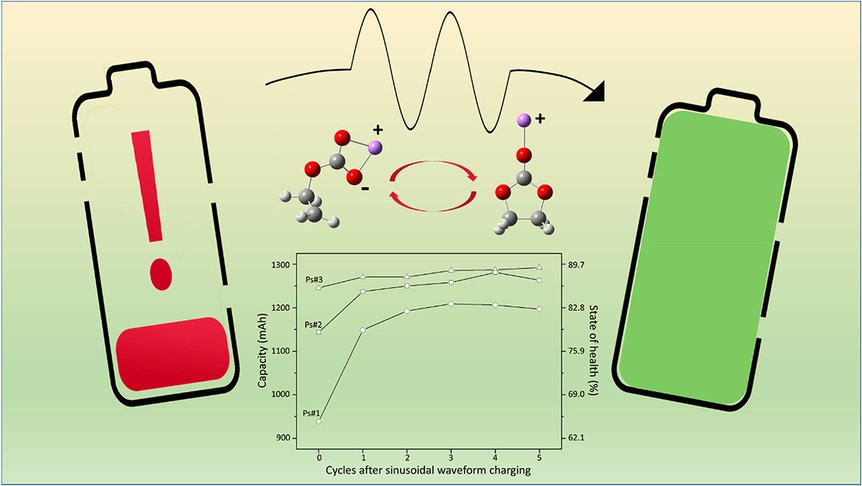
How to revive lithium-ion battery?

How to revive lithium-ion battery in 4 ways?

In today’s technology-driven world, lithium-ion batteries are found in numerous devices, from smartphones and laptops to electric vehicles. However, these batteries can degrade over time, leading to decreased performance and, eventually, failure. This article will guide you on reviving a lithium-ion battery, discussing safety precautions, and providing tips for extending battery life.
How to revive lithium-ion battery?

Understanding Lithium-ion Batteries

How do Lithium-ion batteries work?

Lithium-ion batteries work by facilitating the movement of lithium ions between two electrodes – the anode and the cathode – through an electrolyte. When charging, lithium ions move from the cathode to the anode, storing energy in the process. During discharge, the ions flow back to the cathode, releasing energy that powers the device.

What causes Lithium-ion batteries to degrade?

Several factors contribute to lithium-ion battery degradation, including:

  1. High temperatures: Excessive heat accelerates chemical reactions within the battery, causing it to degrade faster.
  2. Overcharging: Charging a battery beyond its capacity can cause irreparable damage to the electrolyte and electrodes.
  3. Deep discharging: Draining the battery ultimately can increase the risk of developing a high resistance or “memory effect.”
  4. Aging: Over time, internal resistance within the battery increases, reducing its overall capacity.

Safety Precautions

Before attempting to revive a lithium-ion battery, consider these safety precautions:

  1. Work in a well-ventilated area to minimize the risk of hazardous fumes.
  2. Wear protective gear, such as gloves and safety glasses.
  3. Never attempt to open, puncture, or modify the battery in any way, as it could result in a dangerous chemical reaction.
  4. Dispose of damaged or leaking batteries immediately and according to local regulations.
  1. If unsure about the process, consult a professional or the battery manufacturer.

How to revive lithium-ion batteries?

There are 4 ways to revive lithium-ion batteries to work like new again: freezing the battery, charging with a low current, jumpstarting the battery, and using a specialized charger.

Freezing the battery

In some cases, freezing the battery can help break down the crystalline structures that may have formed on the electrodes, thus improving the battery’s performance. Store the battery in a sealed plastic bag in the freezer for 12 to 24 hours, then allow it to reach room temperature before attempting to charge it.

Charging with a low current

Employing a charger with a reduced current may be an expedient remedy to reanimate a battery with a diminished voltage. Securely link the battery to a charging unit that provides an amperage inferior to the typical charging current of the battery. Allow the battery to charge for several hours or until its voltage has reached the standard level. After that, shift to the customary charger of the device in use.

Jumpstarting the battery

You can perform a “jumpstart” by utilizing a fully charged battery with a voltage akin to the dead battery. Connect the positive terminals of both batteries using a wire, and subsequently link the negative terminals. Wait a few minutes, then check if the dead battery’s voltage has increased. If so, disconnect the batteries and use the regular charger to finish charging the revived battery.

Using a specialized charger

Some chargers are designed specifically to revive dead or low-voltage lithium-ion batteries. These chargers provide a controlled current to slowly restore the battery’s voltage, enabling it to accept a charge from a standard charger afterward. Make sure to follow the manufacturer’s instructions when using a specialized charger.

Preventive Measures to Extend Battery Life

To maintain optimal battery health, you should take certain actions:

  1. Avoid exposing the battery to extreme temperatures, both hot and cold.
  2. Always utilize the charger specifically designed for your device, ensuring that it provides the optimal charging current.
  3. Partially charge the battery whenever possible, keeping its charge level between 20% and 80% most of the time.
  4. Store batteries in a cool and dry place when they are not in use.
  5. Regularly clean the battery contacts to ensure a proper connection.

Conclusion

Reviving a lithium-ion battery can be challenging, but with proper safety precautions and techniques, it’s possible to bring a dead battery back to life. However, it’s important to remember that preventive measures are crucial for extending battery life and maintaining optimal performance.

FAQs

Q1: Can all lithium-ion batteries be revived?

A: It’s essential to note that not all lithium-ion batteries can be revived. Some batteries may suffer irreversible damage due to overcharging, deep discharging, or aging. In such cases, replacing the battery is the best course of action.

Q2: How long does it take to revive a lithium-ion battery?

A: Reviving a lithium-ion battery is subject to the method used and the battery’s condition. The revival duration can range from a few minutes to several hours.

Q3: Can I use a car battery charger to revive a lithium-ion battery?

A: Using a car battery charger to revive a lithium-ion battery is not recommended. Car battery chargers are intended for lead-acid batteries and may not deliver the correct voltage or current for lithium-ion batteries.

Q4: How often should I attempt to revive a lithium-ion battery?

A: It’s important to treat reviving a lithium-ion battery as a final recourse instead of a regular maintenance procedure. If a battery frequently loses its charge or necessitates revival, it may be appropriate to consider replacing it.

Q5: Can I overcharge a lithium-ion battery while trying to revive it?

A: Overcharging a lithium-ion battery can cause permanent damage. When attempting to revive a battery, constantly monitor the voltage and current to ensure you don’t exceed the battery’s charging limits.
21700 vs 18650 Batteries

21700 vs 18650 Batteries: Which Reigns Supreme?

If you frequently use rechargeable batteries, you’ve likely heard of the 18650 and 21700 battery types. These two types of lithium-ion batteries are popular choices for various applications, including flashlights, e-cigarettes, and electric vehicles. But when it comes to choosing between the two, which is better? This article will examine the differences between 18650 and 21700 batteries and help you decide which suits your needs.

21700 vs 18650 Batteries

Introduction

Rechargeable batteries are essential to our daily lives, powering everything from smartphones to electric vehicles. The two most popular types of lithium-ion batteries are the 18650 and 21700 batteries. Both types have unique advantages and disadvantages, and the decision between them ultimately depends on your specific needs.

What are 18650 batteries?

Cylindrical lithium-ion batteries that are 18mm in diameter and 65mm in length, hence the name 18650, have been around for over two decades and people commonly use them in various applications, including laptops, flashlights, and electric vehicles.

What are 21700 batteries?

21700 batteries are newer cylindrical lithium-ion batteries that are 21mm in diameter and 70mm in length. They were first introduced in 2015 and have gained popularity recently due to their higher capacity and improved performance over 18650 batteries.

21700 VS 18650 batteries

Size comparison

One of the most apparent differences between 18650 and 21700 batteries is their size. As mentioned earlier, 18650 batteries are 18mm in diameter and 65mm in length, while 21700 batteries are 21mm in diameter and 70mm in length. This means that 21700 batteries are slightly larger and heavier than 18650 batteries.

21700 VS 18650 batteries Size comparison

Capacity comparison

Capacity is another important factor when choosing between 18650 and 21700 batteries. 21700 batteries typically have a higher capacity than 18650 batteries due to their larger size. For example, a typical 18650 battery has a capacity of around 3000mAh, while a 21700 battery can have a capacity of up to 5000mAh or more.

Voltage comparison

Voltage is another essential consideration when choosing between 18650 and 21700 batteries. Both types of batteries have a nominal voltage of 3.6V, but the actual voltage can vary depending on the specific battery and application.

Discharge rate comparison

The discharge rate refers to how quickly a battery can release its energy. 21700 batteries typically have a higher discharge rate than 18650 batteries due to their larger size and improved design. This makes them a better choice for high-drain applications such as electric vehicles and power tools.

Charging time comparison

Charging time is another critical factor when choosing between 18650 and 21700 batteries. Generally speaking, 21700 batteries can be charged faster than 18650 batteries due to their larger size and improved design. However, the charging time can vary depending on the battery and charger used.

Price comparison

Price is always an important consideration when it comes to purchasing batteries. Generally speaking, 18650 batteries are more affordable than 21700 batteries due to their smaller size and long history in the market. However, the price difference between the two types of batteries can vary depending on the specific brand and capacity.

Application Comparison

The specific application in which the battery will be used is a crucial factor to consider when choosing between 18650 and 21700 batteries. 18650 batteries are popular for applications such as flashlights, laptops, and e-cigarettes, while 21700 batteries are often used in high-drain applications such as electric vehicles and power tools.

Pros and cons of 18650 batteries

  • Pros:
    • Affordable
    • Widely available
    • Good for low-drain applications
  • Cons:
    • Lower capacity and discharge rate compared to 21700 batteries
    • Longer charging time compared to 21700 batteries

Pros and cons of 21700 batteries

  • Pros:
    • Higher capacity and discharge rate compared to 18650 batteries
    • Faster charging time compared to 18650 batteries
    • Better for high-drain applications
  • Cons:
    • More expensive than 18650 batteries
    • Not as widely available as 18650 batteries

Which battery should you choose?

Choosing between 18650 and 21700 batteries ultimately depends on your specific needs and the application in which the battery will be used. If you’re looking for an affordable battery for low-drain applications such as flashlights and e-cigarettes, 18650 batteries are a good choice. However, if you need a higher capacity and discharge rate for high-drain applications such as electric vehicles and power tools, 21700 batteries are the better choice.

Conclusion

In conclusion, 18650 and 21700 batteries have unique advantages and disadvantages. When choosing between the two, it’s essential to consider factors such as capacity, discharge rate, charging time, and application. Ultimately, the decision between 18650 and 21700 batteries depends on your specific needs and the application for the battery.

FAQs

Are 21700 batteries better than 18650 for electric vehicles?

  • Yes, 21700 batteries are generally better than 18650 batteries for electric vehicles due to their higher capacity and discharge rate.

Can I use a 21700 battery in a device designed for 18650 batteries?

  • It depends on the specific device and battery. Some devices may be compatible with both types of batteries, while others may only support one type.

Do 21700 batteries have a longer lifespan than 18650 batteries?

  • The lifespan of a battery depends on several factors, including usage and storage conditions. Generally speaking, both 18650 and 21700 batteries have similar lifespans.

Are 21700 batteries worth the extra cost?

  • The answer to this question depends on your specific needs and the application in which the battery will be used. If you require a battery with a higher capacity and discharge rate for high-drain applications such as electric vehicles and power tools, the extra cost of 21700 batteries may be worth it. However, suppose you’re using the battery for low-drain applications like flashlights and e-cigarettes. In that case, the cost difference between 18650 and 21700 batteries may not be significant enough to justify the upgrade.

Can I mix and match 18650 and 21700 batteries in the same device?

  • Mixing and matching different types of batteries in the same device is not recommended. This is because different batteries may have different capacities and discharge rates, resulting in imbalanced power delivery and potentially damaging the batteries or device.
Reset a 18650 Battery

How to Reset a 18650 Battery: A Step-by-Step Guide

Introduction

18650 batteries are commonly used in many devices, such as flashlights, laptops, and power banks. Over time, these batteries may become unresponsive or fail to hold a charge. In such cases, resetting the battery can help restore its functionality. In this article, we will discuss how to reset a 18650 battery.

Reset a 18650 Battery

Reasons for resetting a 18650 battery

There are several reasons why a 18650 battery may need to be reset, including:

Over-discharge

Resetting an over-discharged 18650 battery is necessary to revive it in electronic devices such as laptops and power tools. The first reason for resetting the battery is to remove any residual charge that may have built up inside the cells, which can cause the voltage to drop below its normal operating range. Recalibrating its internal circuitry is also necessary to get the battery back on track.

Overcharge

Overcharging is when a lithium-ion battery is charged beyond its maximum capacity, leading to excessive heat and potentially damaging the device. To prevent overcharging, it’s important to reset them periodically, discharging the battery completely before recharging it from zero percent to total capacity. Resetting helps balance the battery’s internal chemistry and ensures each cell works at its full potential. Resetting the 18650 batteries after extended storage periods is also recommended, as they can lose some of their charges while sitting unused.

Short circuit

A short circuit is one of the most frequent causes of resetting a 18650 battery. A short circuit happens when a battery’s positive and negative sides come into touch with each other, resulting in a rush of energy that can harm or even detonate the battery.

Battery memory effect

Rechargeable batteries can help reverse the effects of memory effect by resetting their 18650 battery. This process involves fully discharging and recharging the battery several times to restore its total capacity. It also helps prevent future memory effects from occurring. However, not all 18650 batteries are created equal; some may be more susceptible to memory effects than others.

Tools required to reset a 18650 battery

To reset a 18650 battery, you will need the following tools:

  • Multimeter
  • Soldering iron
  • Solder
  • Safety glasses
  • Gloves

Steps to reset a 18650 battery

Follow these steps to reset a 18650 battery:

  1. Remove the battery from the device.
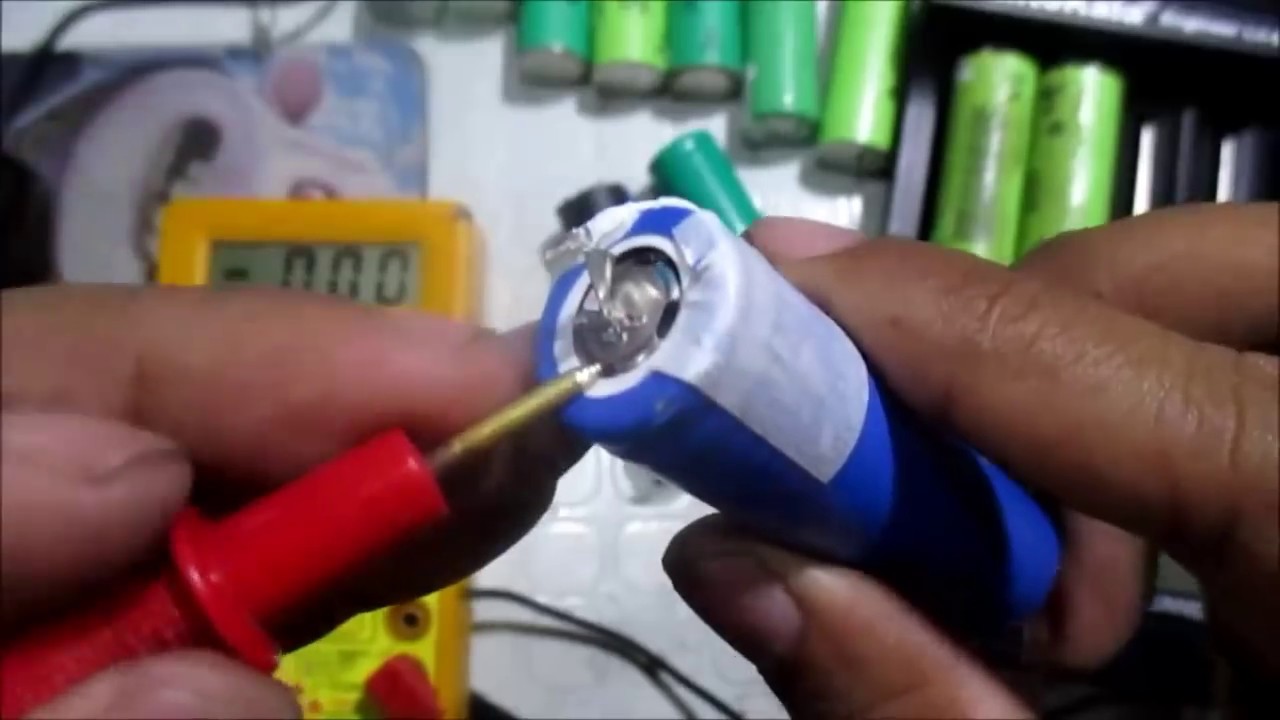
  2. Use the multimeter to check the voltage of the battery. If the voltage is below 2V, the battery is over-discharged and needs to reset.
  3. Heat the soldering iron.
  4. Using the soldering iron, connect the positive and negative terminals of the battery for a few seconds, ensuring not to overheat the battery or cause a short circuit.
  5. Disconnect the terminals and let the battery cool down.
  6. Use the multimeter to recheck the voltage of the battery. If it is above 3V, the battery has been successfully reset.

Precautions to take while resetting a 18650 battery

While resetting a 18650 battery, it is essential to take the following precautions:

  • Wear safety glasses and gloves to protect yourself from heat and chemicals.
  • Do not overheat the battery or cause a short circuit, as this can damage or cause it to explode.
  • Work in a well-ventilated area to avoid inhaling toxic fumes.

Testing the reset 18650 battery

After resetting the 18650 battery, testing it to ensure it functions properly is essential. Install the battery back into the device and check if it is holding a charge and working as expected.

How to prevent a 18650 battery from needing a reset

To prevent a 18650 battery from needing a reset, follow these tips:

  • Do not overcharge or over-discharge the battery.
  • Use a high-quality charger that is compatible with the battery.
  • Store the battery in a cool, dry place.
  • Do not expose the battery to extreme temperatures or direct sunlight.

Conclusion

Resetting a 18650 battery can restore its functionality and extend its lifespan. However, following the necessary precautions carefully is essential to avoid damaging the battery. By following the tips mentioned in this article, you can also prevent the battery from needing a reset in the future.

FAQs

Can I reset any lithium-ion batteries?

  • No, the process of resetting may vary depending on the type of battery.

What is the battery memory effect?

  • The battery memory effect is when a battery may lose its maximum energy capacity over time if it is repeatedly charged and discharged to a certain level.

Can I reset a 18650 battery without a soldering iron?

  • No, a soldering iron is required to reset a 18650 battery.

Can I use a reset 18650 battery on any device?

  • Yes, a reset 18650 battery can be used in any device compatible with the battery’s specifications.
21700 vs 26650

The Ultimate Battery Battle: 21700 vs 26650 – Which One Is Better?

Batteries are an essential part of our lives. Whether powering a flashlight or a laptop, having the right battery is indispensable. Today, a variety of battery sizes are available in the market, but two of the most popular options are 21700 and 26650 batteries. So what’s the difference between them and which one should you choose?

21700 vs 26650

Battery Size and Design

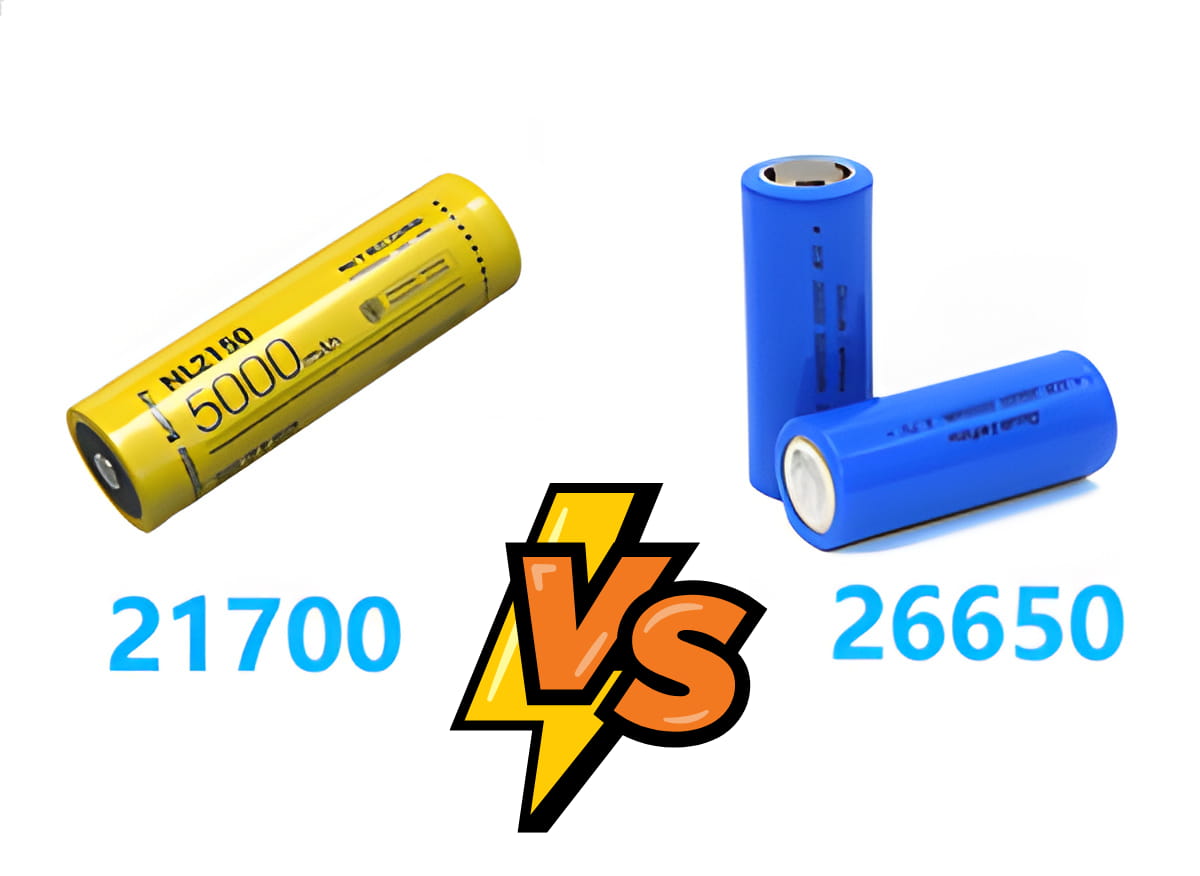
The 26650 battery has a diameter of 26mm and a height of 65mm compared to the 21700 battery’s 21mm diameter and 70mm length. So, compared to the 21700 battery, the 26650 cell is bigger and bulkier. Both batteries are rectangular in shape and have positive and negative connections on either end.

Capacity

One of the most crucial considerations when selecting a battery is capacity. The normal capacity of the 21700 battery is about 4000mAh, while the standard capacity of the 26650 battery is about 5000mAh. Since the 26650 battery has more capacity than the 21700 battery, it will last longer and work better.

Voltage

Another important aspect to take into account when selecting a battery is voltage. The voltage of the 21700 battery is usually between 3.6 and 3.7V, while the voltage of the 26650 battery is typically between 3.2 and 3.7V. This indicates that the voltage of the 21700 battery is marginally greater than that of the 26650 battery, which may have an impact on the functionality of particular products.

Discharge Rate

The rate at which a battery can be drained is referred to as the discharge rate. Generally speaking, the 21700 battery discharges at a faster pace than the 26650 cell. Electric cars and power tools are examples of high-drain uses where the 21700 battery performs better.

Compatibility

When selecting a battery, compatibility is a crucial aspect to take into account. The 21700 battery is relatively new and might not work with all devices, whereas the 26650 battery is more frequently used and suitable with a wider variety of gadgets.

Price

When selecting a battery, price is a constant consideration. Generally speaking, the 26650 battery is less expensive than the 21700 battery, though prices can differ by make and type.

Conclusion

The best battery for you will rely on your particular requirements and use the situation as both the 21700 and 26650 cells have advantages and disadvantages. The 21700 battery might be your best choice if you require a battery with a high volume and are prepared to spend a higher price. The 26650 battery, on the other hand, might be a superior option if you require a battery with a fast depletion rate and are searching for a less expensive alternative.

FAQs

What devices are compatible with the 21700 battery?

  • The 21700 battery is compatible with a range of devices, including electric vehicles, power tools, and flashlights.

Are 21700 batteries more expensive than 26650 batteries?

  • Yes, 21700 batteries are generally more expensive than 26650 batteries due to their higher capacity and newer technology.

Can the 26650 battery be used in place of the 21700 battery?

  • It depends on the device and its compatibility. In general, the 26650 battery may not be the best choice for devices that require a high capacity or high discharge rate.
How long to charge 26650 battery

Quick and easy: How long to charge 26650 battery?

A 26650 battery is a powerful rechargeable lithium-ion battery used in various applications. Charging such a battery correctly is essential to ensure it has the best longevity and performance. But do you know how long should you charge a 26650 battery? And how many factors influence how long the charging process takes?

How long to charge 26650 battery

How long to charge 26650 battery?

It can take up to 540 minutes to charge a 26650 battery. However, this may vary depending on the battery capacity, charger current, and the number of batteries.

If your battery capacity is 5000 mAh and your charger current is 1 A. One way to estimate charge time is to divide battery capacity by charge current1. Using this formula, your charge time would be 5000 mAh ÷ 1000 mA = 5 hours. That is about 300 minutes. However, this may not be accurate as it does not account for other factors, such as battery efficiency and voltage.

How many factors affect the 26650 battery charging time?

The charge time for a 26650 battery depends on several factors, including the capacity of the battery and the charge rate of the charger. Generally speaking, the larger the battery capacity, the longer the charging time. The higher the charge rate (measured in amps) of the charger, the shorter the charge time.

Generally speaking, the standard voltage of the 26650 lithium battery is 3.6 volts to 3.7 volts, the fully charged voltage is 4.2V, and the discharge cut-off voltage is 3.0V. The existing voltage of the 26650 lithium battery that needs to be charged will also affect the charging time, although the effect is not significant.

How to charge a 26650 battery?

Prepare a charger with an output voltage of 3.7V and an output current of 1A, plug it into a wall outlet, and connect the positive (red) and negative (black) wires of the charger to the corresponding terminals on the battery. The charging indicator red light should show that your battery is charging. Make sure you don’t let it charge for too long – usually, 8 hours is enough. And be sure to unplug the plug after the red light turns green and the charging is complete.

Why your 26650 battery is not charging?

There are a few possible explanations if your 26650 battery is not charging. First, make sure that your charger is compatible with your battery. If it’s not, then the battery won’t charge no matter what you do. Second, check to ensure that the contacts on the battery and charger are clean and debris-free. If they’re dirty or corroded, the connection won’t be strong enough for charging. Finally, make sure that the charger itself is functioning correctly. If it’s malfunctioning, it won’t be able to charge your battery correctly.

If none of these solutions solve your problem, it may be time to replace your 26650 battery or purchase a new charger. It’s important to always use high-quality batteries and chargers for optimal safety and performance.

26650 batteries applications

What are 26650 batteries used for? 4 game-changing applications

26650 batteries are lithium-ion batteries commonly used in high-performance applications. These batteries are 26mm in diameter and 65mm in length, hence the name 26650. They are larger and more potent than standard lithium-ion batteries, making them ideal for demanding applications requiring much power.

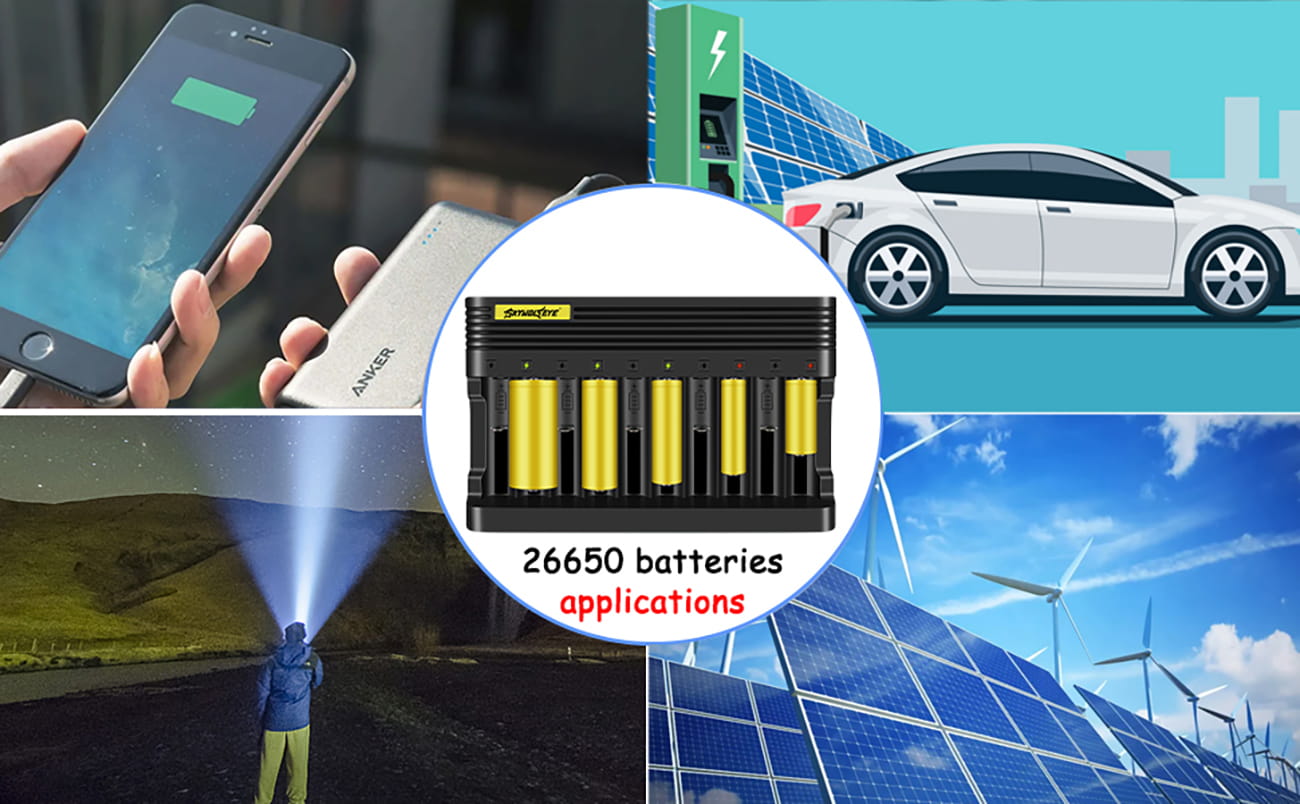
26650 batteries applications

You can use 26650 batteries for high-powered flashlights.

One of the primary uses for 26650 batteries is in high-powered flashlights. These batteries can deliver a high amount of current, essential for powering bright LED lights. They are also popular in vaping and used to power mods that require a lot of energy. 26650 batteries are also commonly used in electric vehicles, such as e-bikes and electric scooters, providing a stable and robust energy source.

Portable power banks

Another widespread use for 26650 batteries is in portable power banks. These devices charge smartphones, tablets, and other electronic devices on the go. With a 26650 battery inside, a power bank can provide several total charges to a smartphone, making it an essential accessory for people who are always on the move.

Electric Vehicles

26650 batteries are lithium-ion batteries typically used in high-power applications such as electric vehicles. They are famous for their large capacity and ability to discharge rapidly, making them an ideal choice for powering electric vehicles.

26650 batteries are also known for their long cycle life and low self-discharge rate. This means they can be recharged multiple times without losing their capacity or power output, making them reliable for powering electric vehicles over long distances.

26650 batteries for renewable energy systems

26650 batteries are also used in renewable energy systems, such as solar panels and wind turbines. These batteries are ideal for storing energy from renewable sources, allowing it to be utilized later. This is especially important in remote areas without access to the electrical grid.

In conclusion

26650 batteries are versatile and powerful, making them ideal for various applications. These batteries are vital in many modern technologies, from high-powered flashlights to electric vehicles, portable power banks, and renewable energy systems. If you’re looking for a reliable and long-lasting power source, consider investing in a 26650 battery.